DR HIMANSHU GOYAL
About Me
DR HIMANSHU GOYAL
MBBS
General Physician
10 Years Experience
Biography
My Clinic
OPD Hours
| Monday | Morning | 10:00 AM | - | 02:00 PM |
| Evening | 06:00 PM | - | 09:00 PM | |
| Tuesday | Morning | 10:00 AM | - | 02:00 PM |
| Evening | 06:00 PM | - | 09:00 PM | |
| Wednesday | Morning | 10:00 AM | - | 02:00 PM |
| Evening | 06:00 PM | - | 09:00 PM | |
| Thursday | Morning | 10:00 AM | - | 02:00 PM |
| Evening | 06:00 PM | - | 09:00 PM | |
| Friday | Morning | 10:00 AM | - | 02:00 PM |
| Evening | 06:00 PM | - | 09:00 PM | |
| Saturday | Morning | 10:00 AM | - | 02:00 PM |
| Evening | 06:00 PM | - | 09:00 PM | |
| Sunday | Morning | 10:00 AM | - | 02:00 PM |
| Evening | 06:00 PM | - | 09:00 PM |
Treatments
Specialised care and treatments offered
VACCINATION & CHECK-UP
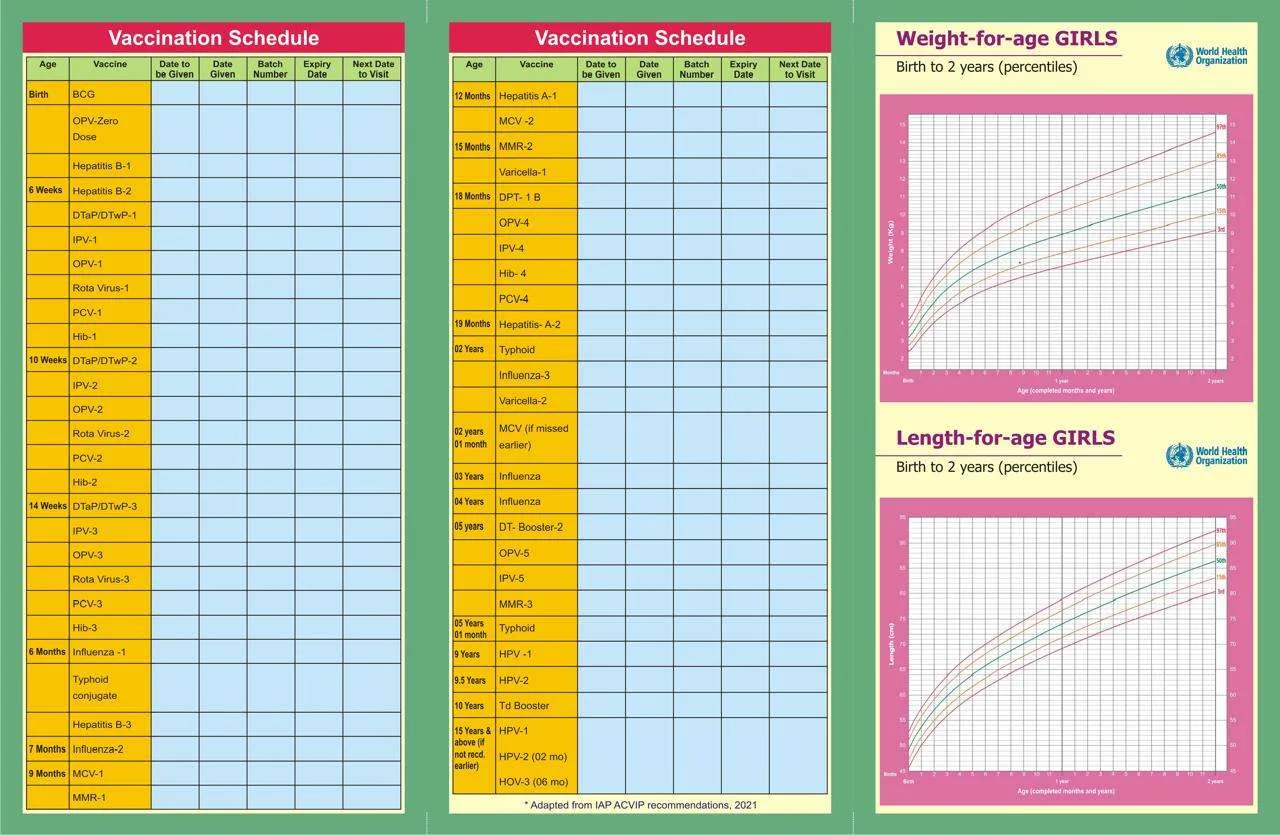
Vaccinations and regular check-ups are essential parts of pediatric care, protecting children from serious illnesses and ensuring healthy development. Pediatricians follow immunization schedules to provide timely protection against diseases like measles, polio, and whooping cough. Routine check-ups allow for monitoring of growth, development, and early detection of potential health issues. These visits also give parents an opportunity to discuss nutrition, behavior, sleep, and safety. Through vaccinations and consistent medical evaluations, pediatricians help build a strong foundation for lifelong health and well-being. Preventive care not only keeps children safe but also supports their physical and emotional development.
INFECTIOUS DISEASES
Expertise in managing acute respiratory infections, pneumonia, bronchiolitis, typhoid fever, urinary infection, diarrhoea, fungal skin infections, sepsis/ blood infection, viral infections like chicken pox, measles, viral hepatitis, mumps, child with rash etc
GROWTH AND DEVELOPMENT
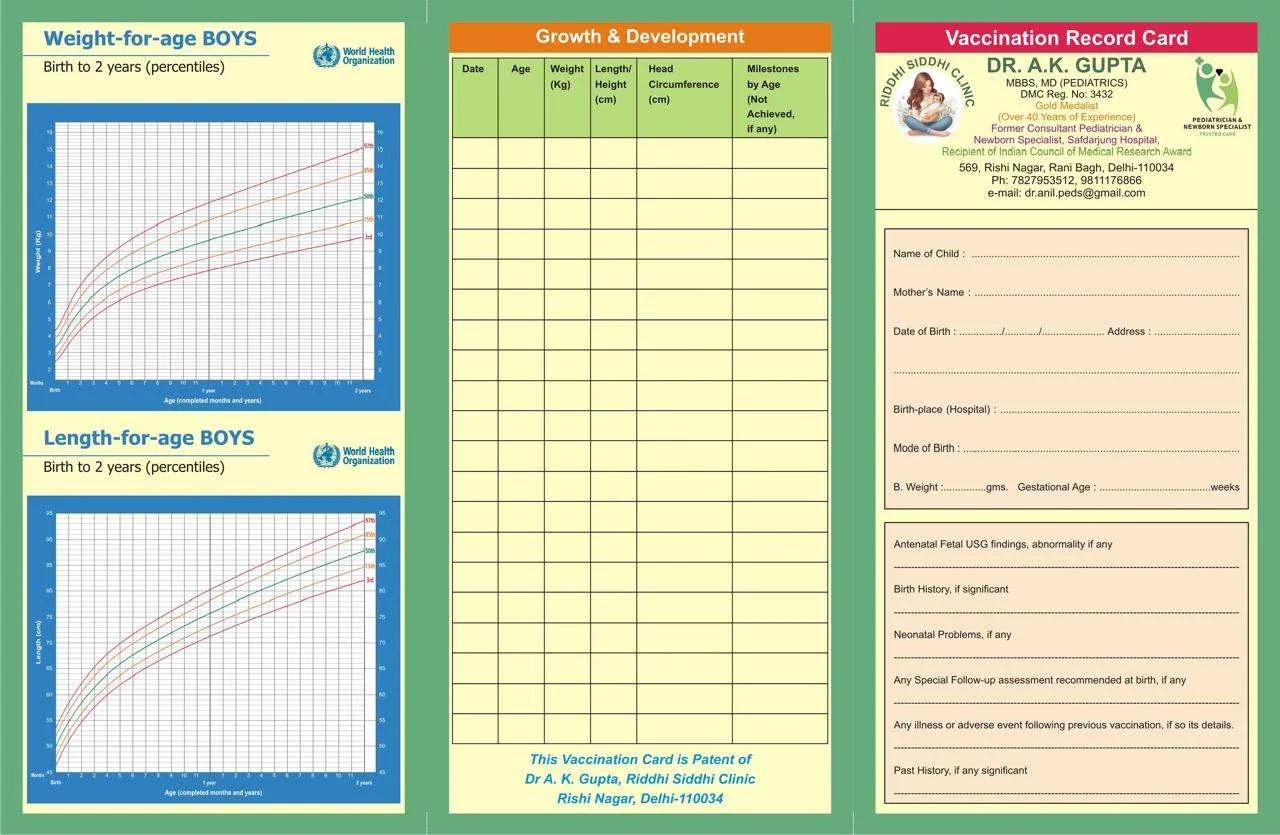
Growth and development are key indicators of a child's overall health and well-being. For pediatricians, monitoring these aspects involves assessing physical milestones such as height, weight, and head circumference, as well as developmental progress in motor skills, language, cognition, and social interaction. Regular check-ups help identify any delays or concerns early, allowing for timely interventions. Growth charts, developmental screenings, and parental guidance are essential tools in this process. By supporting optimal growth and development, pediatricians play a vital role in ensuring children reach their full potential both physically and mentally. Early detection and holistic care are crucial for lifelong health.
GROWTH AND DEVELOPMENT
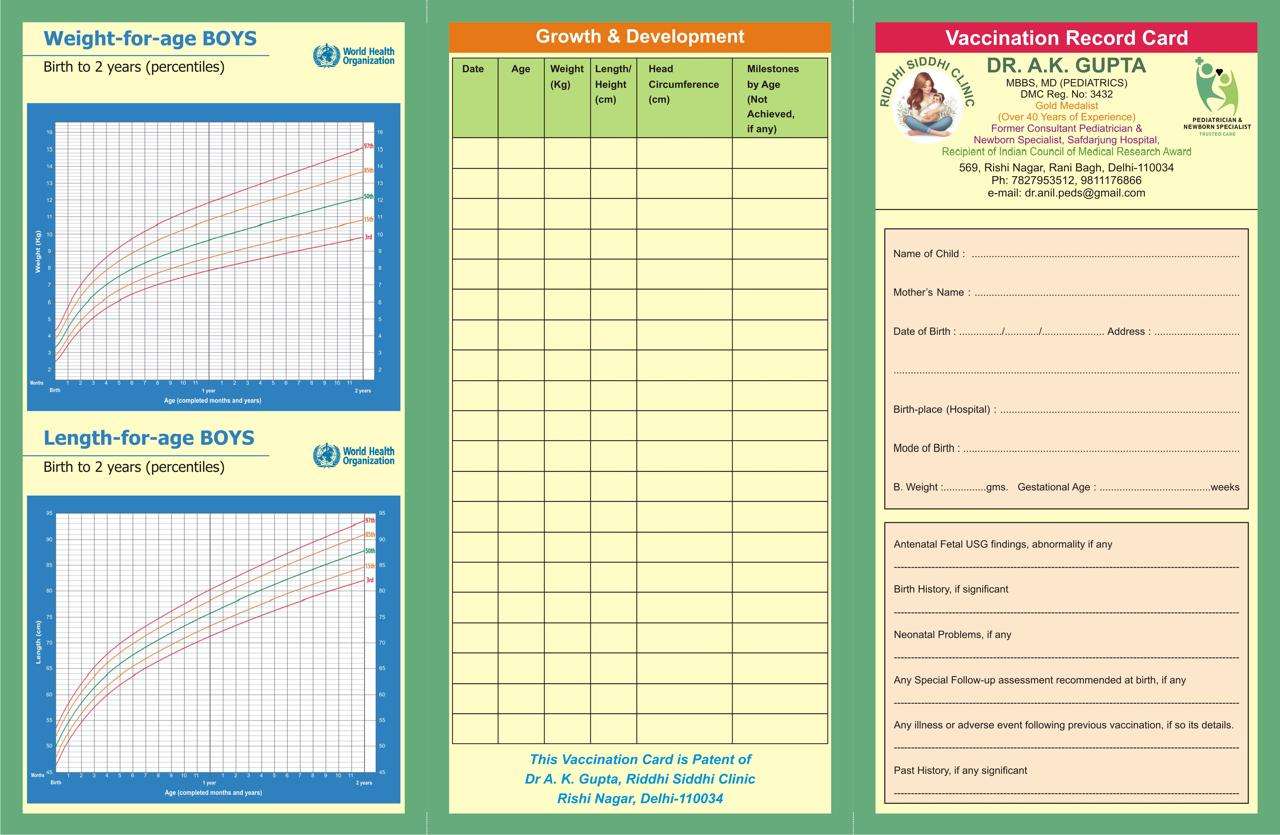
Growth and development are key indicators of a child's overall health and well-being. For pediatricians, monitoring these aspects involves assessing physical milestones such as height, weight, and head circumference, as well as developmental progress in motor skills, language, cognition, and social interaction. Regular check-ups help identify any delays or concerns early, allowing for timely interventions. Growth charts, developmental screenings, and parental guidance are essential tools in this process. By supporting optimal growth and development, pediatricians play a vital role in ensuring children reach their full potential both physically and mentally. Early detection and holistic care are crucial for lifelong health.
INTERVENTIONAL PROCEDURES
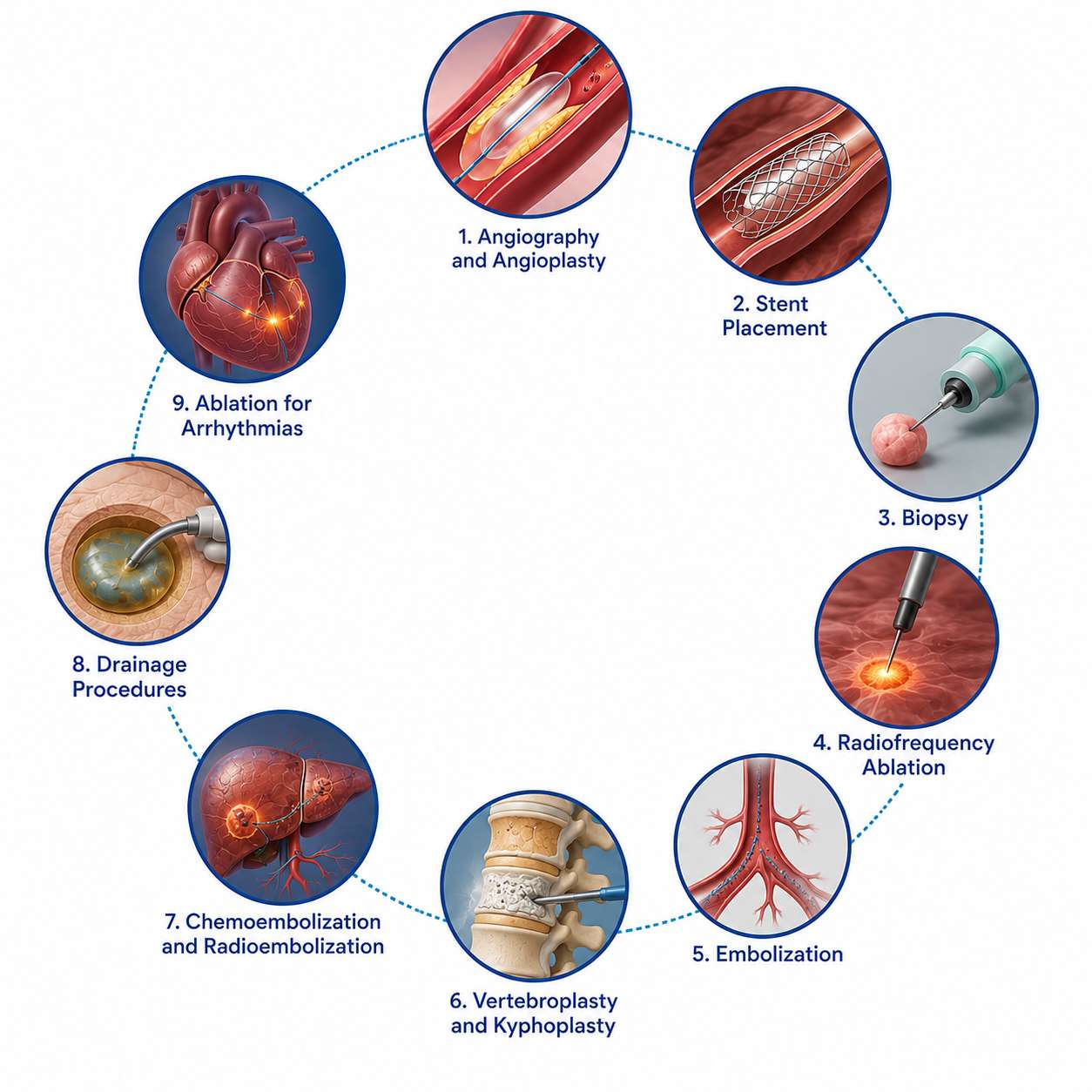
Interventional procedures are medical procedures that are performed using minimally invasive techniques to diagnose or treat various conditions. These procedures often involve the use of specialized instruments, imaging guidance, and small incisions or catheter insertions. They are typically performed by interventional radiologists, cardiologists, or other specialized physicians. Common interventional procedures include angiography and angioplasty, where angiography involves injecting a contrast dye into blood vessels to visualize their structure and identify abnormalities, while angioplasty is used to widen narrowed or blocked blood vessels using a balloon catheter to restore blood flow. Stent placement is another commonly performed procedure in which small mesh tubes are inserted into narrowed or blocked blood vessels to keep them open, particularly in patients with coronary artery disease, peripheral artery disease, and other vascular conditions. Biopsy procedures involve removing a small sample of tissue for examination and diagnosis, often using imaging guidance such as ultrasound or CT scans for precise targeting. Radiofrequency ablation utilizes heat generated by radiofrequency energy to destroy abnormal or cancerous cells and is frequently used for tumors of the liver, kidney, lung, or bone. Embolization is a technique used to block or reduce blood flow to specific areas by injecting embolic agents into blood vessels, making it effective for treating bleeding, tumors, and vascular malformations. Vertebroplasty and kyphoplasty are specialized procedures designed to stabilize fractured vertebrae by injecting bone cement into the affected spinal bones, thereby providing support and pain relief. Chemoembolization and radioembolization deliver chemotherapy drugs or radioactive particles directly into tumors or the blood vessels supplying them, offering targeted treatment for liver cancer and certain metastatic tumors. Drainage procedures are performed to remove fluid or pus from body cavities or abscesses, often with the assistance of image-guided catheter placement. Additionally, ablation procedures for arrhythmias, including radiofrequency ablation and cryoablation, are used to treat abnormal heart rhythms by selectively destroying abnormal electrical pathways within the heart.
HOMEOPATHY

Homeopathy is a complementary or alternative medicine (CAM). This means that homeopathy is different in important ways from treatments that are part of conventional Western medicine. It's based on a series of ideas developed in the 1790s by a German doctor called Samuel Hahnemann.
GENERAL PHYSICIAN
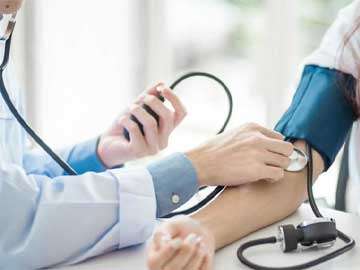
General Physicians are highly trained specialists who provide a range of non-surgical health care to adult patients. They care for difficult, serious or unusual medical problems and continue to see the patient until these problems have resolved or stabilised.
LAB TESTS AND SCREENINGS
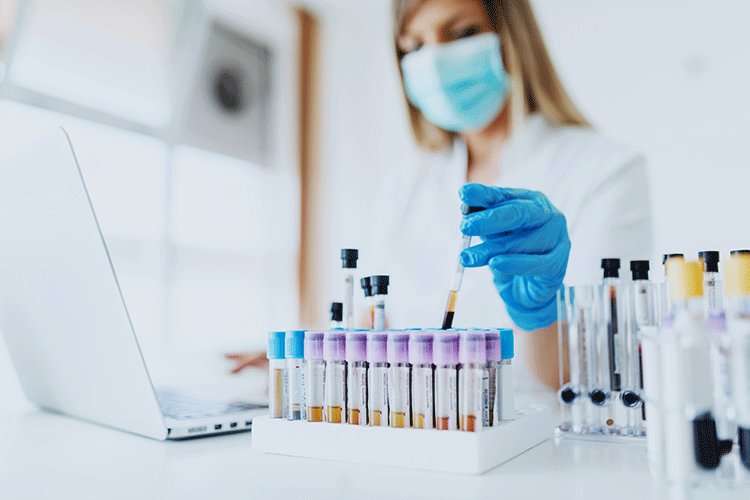
A medical procedure that involves testing a sample of blood, urine, or other substance from the body. Laboratory tests can help determine a diagnosis, plan treatment, check to see if treatment is working, or monitor the disease over time.
SKIN DISEASES

Skin diseases encompass a wide range of conditions that affect the skin, resulting in various symptoms and appearances. Some common skin diseases include:
- Acne: A common skin condition characterized by the formation of pimples, blackheads, and whiteheads on the face, chest, and back.
- Eczema: A chronic inflammatory condition that causes dry, itchy, and red patches on the skin.
- Psoriasis: A chronic autoimmune disease that causes red, scaly patches on the skin, often accompanied by itching or pain.
- Dermatitis: Inflammation of the skin that can be caused by various factors such as irritants, allergens, or genetic predisposition.
- Rosacea: A chronic skin condition characterized by facial redness, flushing, and sometimes pimples or visible blood vessels.
- Hives (Urticaria): Raised, itchy bumps on the skin that are often caused by an allergic reaction or exposure to certain triggers.
- Athlete's Foot: A fungal infection that affects the feet, causing itching, redness, and peeling of the skin.
- Ringworm: A fungal infection that forms a ring-shaped rash on the skin, often itchy and scaly.
- Impetigo: A highly contagious bacterial infection characterized by red sores that break open, ooze, and form a yellowish crust.
- Shingles: A viral infection caused by the reactivation of the varicella-zoster virus, resulting in a painful rash with fluid-filled blisters.
It's important to consult a dermatologist or healthcare professional for an accurate diagnosis and appropriate treatment for any skin condition.
CHILDHOOD DISEASES

Childhood diseases refer to a wide range of illnesses that primarily affect children. Some common childhood diseases include:
- Chickenpox (Varicella): A highly contagious viral infection causing an itchy rash and fever.
- Measles: A viral infection characterized by fever, cough, runny nose, and a rash.
- Mumps: A viral infection causing swelling and pain in the salivary glands, leading to swollen cheeks and jaw.
- Rubella (German Measles): A viral infection causing a rash and fever, particularly dangerous for pregnant women.
- Whooping cough (Pertussis): A bacterial infection causing severe coughing spells, especially dangerous for infants.
- Hand, Foot, and Mouth Disease: A viral infection characterized by sores in the mouth, on the hands, and on the feet.
- Rotavirus: A highly contagious virus causing severe diarrhea, vomiting, and dehydration in infants and young children.
- Fifth Disease (Erythema infectiosum): A viral infection causing a distinctive rash on the face, cheeks, and body.
- Croup: A viral infection causing a barking cough and difficulty breathing.
- Roseola: A viral infection characterized by high fever followed by a rash.
It's important to note that diagnosing and treating specific diseases should be done by medical professionals. If you have concerns about a child's health, it's best to consult a healthcare provider.
WOMAN DISEASES

"Woman Disease" is a broad term that does not refer to a specific medical condition. Women can be affected by a variety of diseases and health conditions, some of which are unique to or more common in females. It's essential to address specific diseases or conditions to provide accurate information.
Here are some common health conditions that can affect women:
- Breast Cancer: A malignant tumor that develops in breast tissue, predominantly affecting women.
- Ovarian Cancer: Cancer that begins in the ovaries, the female reproductive organs responsible for producing eggs.
- Endometriosis: A condition where tissue similar to the lining of the uterus grows outside the uterus, causing pain and fertility problems.
- Polycystic Ovary Syndrome (PCOS): A hormonal disorder characterized by enlarged ovaries with cysts and hormonal imbalances, leading to irregular periods and other symptoms.
- Cervical Cancer: Cancer that develops in the cervix, the lower part of the uterus.
- Premenstrual Syndrome (PMS): A combination of physical and emotional symptoms that occur in the days leading up to menstruation.
- Urinary Tract Infections (UTIs): Infections in the urinary system, including the bladder and urethra, which can be more common in women.
- Osteoporosis: A condition characterized by a decrease in bone density, making bones more fragile and prone to fractures, which is more common in women, especially after menopause.
- Menopause: The natural process that occurs in women's lives, typically in their 40s or 50s when menstrual periods cease and hormone levels change.
- Pelvic Inflammatory Disease (PID): An infection of the female reproductive organs, usually caused by sexually transmitted bacteria.
It's important to note that these are just a few examples, and there are many more health conditions that can affect women. If you have concerns about your health, it's recommended to consult a healthcare professional for a proper diagnosis and treatment.
HOMEOPATHY
KERATOCONUS

CATARACT

CORNEA

LASIK / REFRACTIVE SURGERIES

PEDIATRICIAN & NICU
SURGERY & TRAUMA CARE
ORTHOPAEDIC
CARDIOLOGY
VACCINATION AND CHECK-UP

INFECTIOUS DISEASES

GASTRIC DISORDERS

PAIN MANAGEMENT
MIGRAINE

RESPIRATORY PROBLEMS
HEART PROBLEMS
HEART PROBLEMS

THYROID DISEASE
DIABETES MANAGEMENT

GROWTH AND NUTRITION

INFANT CARE

INFECTIOUS DISEASES

VACCINATION AND CHECKUP

SORE THROAT