
Dr Himanshu Mahl
About Me
Dr Himanshu Mahl
Cardiologist
Biography
My Clinic
OPD Hours
| Monday | Morning | 10:00 AM | - | 02:00 PM |
| Evening | 06:00 PM | - | 09:00 PM | |
| Tuesday | Morning | 10:00 AM | - | 02:00 PM |
| Evening | 06:00 PM | - | 09:00 PM | |
| Wednesday | Morning | 10:00 AM | - | 02:00 PM |
| Evening | 06:00 PM | - | 09:00 PM | |
| Thursday | Morning | 10:00 AM | - | 02:00 PM |
| Evening | 06:00 PM | - | 09:00 PM | |
| Friday | Morning | 10:00 AM | - | 02:00 PM |
| Evening | 06:00 PM | - | 09:00 PM | |
| Saturday | Morning | 10:00 AM | - | 02:00 PM |
| Evening | 06:00 PM | - | 09:00 PM | |
| Sunday | Morning | 10:00 AM | - | 02:00 PM |
| Evening | 06:00 PM | - | 09:00 PM |
Treatments
Specialised care and treatments offered
CARDIAC REHABILITATION

This structured program aims at improving cardiovascular health after cardiac events such as heart attacks or surgeries. It focuses on exercise training alongside education about healthy lifestyle choices that promote better heart health long-term!
- Symptoms leading participants often involve reduced exercise tolerance plus elevated anxiety regarding future health issues post-event!
- Effective diagnosis frequently includes physical assessments complemented with risk factor evaluations .
- Management combines supervised workouts along with nutritional guidance addressing real-life concerns enhancing one’s overall wellness experience!
- Expect supportive group settings fostering empowerment among peers throughout rehabilitation focusing towards achieving individualized goals !
This comprehensive approach invariably boosts both physical well-being while also nurturing emotional resilience effectively!
TRANSCATHETER AORTIC VALVE REPLACEMENT (TAVR)
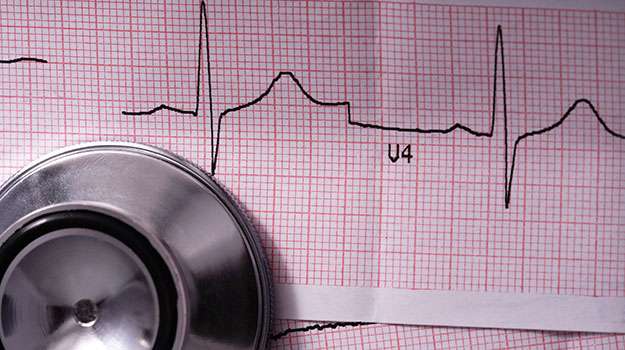
TAVR is an innovative technique used to replace narrowed aortic valves without major surgery. This less invasive approach utilizes catheters inserted through small incisions in major arteries for improved patient recovery times.
- The primary symptoms prompting TAVR are severe aortic stenosis-related chest pain, fatigue, and pronounced exertional dyspnea (shortness of breath).
- An echocardiogram assists physicians in arriving at an accurate disease diagnosis, determining if TAVR is suitable for the patient’s condition level.
- If indicated after thorough assessment processes; this technique allows surgeons access via femoral arteries enabling quick recovery times versus traditional methods!
This has transformed how many elderly patients receive vital care while minimizing risks associated with open-heart surgeries!
HEART VALVE REPAIR/REPLACEMENT
This surgical procedure addresses issues related to malfunctioning heart valves which impede proper blood circulation. Heart valve problems can result from congenital defects or diseases that affect valve function over time.
- Poor valve function may lead to symptoms like shortness of breath and swelling in the legs due to fluid retention.
- A detailed diagnosis, including echocardiograms and MRI scans can assess valve structure and function accurately.
- Treatment options involve either repairing the existing valve or replacing it with mechanical or biological alternatives based on patient's needs.
- The recovery period varies depending on whether repair or replacement is performed but usually requires monitoring for complications post-surgery.
Caring for heart valve conditions early increases chances of successful outcomes significantly!
ARRHYTHMIA MANAGEMENT
Arrhythmias refer to irregular heartbeats that can lead to various symptoms affecting overall health. These conditions can range from harmless to potentially life-threatening episodes depending on their severity and duration.
- Common symptoms may include palpitations, dizziness, fatigue, or fainting spells.
- A thorough diagnosis involves ECGs, Holter monitoring, and electrophysiological studies to determine the specific type of arrhythmia present.
- Treatment may include medication management, lifestyle modifications, and advanced procedures like ablation for certain types of arrhythmias.
- If surgical intervention is necessary, patients may require devices like pacemakers for long-term management.
CARDIAC BYPASS SURGERY
This surgical procedure is performed to improve blood flow to the heart by bypassing blocked arteries. Cardiac bypass surgery reroutes blood around clogged or narrowed arteries to ensure adequate oxygen supply to the heart muscle.
- The main symptom prompting surgery often includes severe angina or fatigue after exertion.
- Diagnosis usually involves imaging techniques such as angiograms and CT scans to visualize blockages.
- Surgical management typically entails creating new pathways for blood flow using arteries or veins from other body parts.
- Patients can expect a hospital stay followed by several weeks of recovery and rehabilitation.
This intervention can be life-saving and greatly enhance patient well-being when performed appropriately.
CORONARY ANGIOPLASTY
Coronary angioplasty is a minimally invasive procedure aimed at restoring blood flow to the heart muscle. It involves using a balloon catheter to open narrowed or blocked coronary arteries.
- Symptoms often include chest pain (angina), shortness of breath, or fatigue during physical activity.
- The condition is diagnosed through tests such as angiograms, stress tests, or echocardiograms.
- Treatment options include lifestyle changes, medications, and in many cases, coronary angioplasty.
- During the procedure, a catheter with a balloon is inserted into an artery and inflated to expand the artery lumen.
- Post-procedure recovery typically lasts a few hours in a hospital setting.
This treatment can significantly improve quality of life and reduce cardiac event risks.