
Dr Hotilal Gupta
About Me
Dr Hotilal Gupta
MS
Orthopaedic Surgeons
10 Years Experience
Biography
My Clinic
OPD Hours
| Monday | Morning | 10:00 AM | - | 02:00 PM |
| Evening | 06:00 PM | - | 09:00 PM | |
| Tuesday | Morning | 10:00 AM | - | 02:00 PM |
| Evening | 06:00 PM | - | 09:00 PM | |
| Wednesday | Morning | 10:00 AM | - | 02:00 PM |
| Evening | 06:00 PM | - | 09:00 PM | |
| Thursday | Morning | 10:00 AM | - | 02:00 PM |
| Evening | 06:00 PM | - | 09:00 PM | |
| Friday | Morning | 10:00 AM | - | 02:00 PM |
| Evening | 06:00 PM | - | 09:00 PM | |
| Saturday | Morning | 10:00 AM | - | 02:00 PM |
| Evening | 06:00 PM | - | 09:00 PM | |
| Sunday | Morning | 10:00 AM | - | 02:00 PM |
| Evening | 06:00 PM | - | 09:00 PM |
Treatments
Specialised care and treatments offered
DIAGNOSTIC IMAGING IN ORTHOPAEDICS
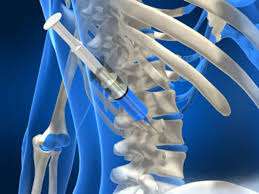
An essential part of orthopaedic care involves detailed imaging studies that help identify musculoskeletal abnormalities accurately before treatment begins. Various modalities provide complementary information about bones and soft tissues alike.
BONE FRACTURE FIXATION
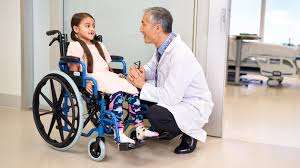
Surgical fixation stabilizes broken bones ensuring proper alignment during healing. This method helps restore anatomy in complex fractures that cannot heal correctly on their own.
- Symptoms/causes: Acute trauma like falls or accidents commonly causes visible deformity, swelling, bruising, and intense localized pain at fracture sites.
- Diagnosis: Diagnosis primarily involves X-ray imaging which reveals fracture type and displacement guiding operative decisions effectively.
- Treatment/management options: Internal fixation uses plates, screws, nails, or rods implanted surgically to maintain bone stability throughout recovery periods which vary by fracture severity/location.
ROTATOR CUFF REPAIR

The rotator cuff comprises muscles and tendons that stabilize the shoulder joint. Tears can cause significant discomfort and impaired movement requiring surgical repair sometimes.
- Symptoms/causes: Shoulder pain increasing at night or during overhead activity often points toward tendon tears resulting from trauma or wear over time.
- Diagnosis: Clinical tests paired with ultrasound or MRI confirm tear extent and guide treatment planning accurately.
- Treatment/management options: Mild injuries benefit from physical therapy; more severe tears may necessitate arthroscopic surgery for tendon reattachment.
SPINAL FUSION SURGERY

This surgical technique joins two or more vertebrae permanently to eliminate painful motion between them. It addresses various spinal disorders causing instability or nerve compression.
- Symptoms/causes: Back pain accompanied by numbness, weakness, or deformity could arise from degenerative disc disease, spondylolisthesis, or traumatic injury.
- Diagnosis: Comprehensive evaluation includes neurological exams plus MRI or CT scans highlighting disc degeneration and vertebral alignment issues.
- Treatment/management options: Bone grafts along with metal screws and rods stabilize the spine after removing damaged discs or decompressing nerves.
- What to expect: Recovery time varies; patients undergo immobilization initially followed by structured rehabilitation to restore daily functionality safely.
The goal is alleviating pain while improving spinal stability for long-term quality of life enhancements.
TOTAL HIP REPLACEMENT

Total hip replacement involves surgically removing a damaged hip joint and replacing it with an artificial implant. This procedure significantly improves comfort and mobility in severe arthritis cases.
- Symptoms/causes: Chronic hip pain that limits daily activities often stems from osteoarthritis, rheumatoid arthritis, or injury-related deterioration.
- Diagnosis: Diagnosis relies on clinical assessment alongside imaging like X-rays that show joint space narrowing and bone changes.
- Treatment/management options: When conservative treatments fail, replacement surgery restores function by implanting components made of metal, ceramic, or plastic.
- What to expect: Hospital stay typically lasts a few days; post-operative physiotherapy is critical for regaining strength and range of motion.
This intervention offers lasting relief for patients suffering from debilitating hip conditions unresponsive to nonsurgical management.
ARTHROSCOPIC KNEE SURGERY

Arthroscopic knee surgery is a minimally invasive procedure used to diagnose and treat problems inside the knee joint. It allows doctors to see the joint clearly and perform repairs without large incisions.
- Symptoms/causes: Persistent knee pain, swelling, or mechanical issues like locking may indicate cartilage damage or meniscal tears.
- Diagnosis: Initial evaluation includes physical examination and imaging studies such as MRI or X-rays to locate intra-articular damage.
- Treatment/management options: During arthroscopy, surgeons can remove or repair torn cartilage, menisci, or ligaments using specialized instruments inserted through small incisions.
- What to expect: Recovery is usually faster than open surgery with reduced scarring. Physical therapy is recommended post-operatively for strengthening and restoring motion.
This approach is widely favored due to its precision and quicker rehabilitation compared to traditional surgical methods.