
Dr Ila Kathuria,
About Me
Dr Ila Kathuria,
MBBS
General Physician
10 Years Experience
Biography
My Clinic
OPD Hours
| Monday | Morning | 10:00 AM | - | 02:00 PM |
| Evening | 06:00 PM | - | 09:00 PM | |
| Tuesday | Morning | 10:00 AM | - | 02:00 PM |
| Evening | 06:00 PM | - | 09:00 PM | |
| Wednesday | Morning | 10:00 AM | - | 02:00 PM |
| Evening | 06:00 PM | - | 09:00 PM | |
| Thursday | Morning | 10:00 AM | - | 02:00 PM |
| Evening | 06:00 PM | - | 09:00 PM | |
| Friday | Morning | 10:00 AM | - | 02:00 PM |
| Evening | 06:00 PM | - | 09:00 PM | |
| Saturday | Morning | 10:00 AM | - | 02:00 PM |
| Evening | 06:00 PM | - | 09:00 PM | |
| Sunday | Morning | 10:00 AM | - | 02:00 PM |
| Evening | 06:00 PM | - | 09:00 PM |
Treatments
Specialised care and treatments offered
CHILDHOOD FEVER MANAGEMENT
A fever in children indicates the body’s natural defense mechanism fighting infections. Understanding how to manage it safely is essential for parents across pediatric age groups.
- C auses : Viral infections are the most frequent triggers but bacterial infections require attention as well.
- D iagnostic considerations : Careful clinical evaluation assesses fever pattern alongside associated symptoms like rash,cough,vomiting etc.
- T reatment modalities : Adequate hydration , antipyretics administration (paracetamol/ibuprofen) aid comfort while rest supports recovery . Monitoring for warning signs needing medical review is critical.
- P arent guidance : Maintaining cool environment without overdressing along with frequent fluid intake helps reduce child distress effectively.
Mild fevers generally resolve without serious consequences but prompt consultation ensures early detection if complications arise requiring specialized care .
SEASONAL ALLERGIES CONTROL

The body's immune response overreacting to airborne particles during particular seasons leads to seasonal allergies. These allergic reactions impact respiratory comfort significantly among sensitive individuals.
- Causal agents : Pollens from trees , grasses , weeds predominantly trigger symptoms during spring & fall months .
- S y mptomatology : Sneezing , nasal congestion , itchy eyes / throat along with watery discharge mark typical manifestations .
- D iagnosis : Clinical history supported with skin prick tests or specific IgE antibody measurement confirms allergens involved .
- T reatment options : Avoidance strategies coupled with antihistamines , nasal corticosteroids,and decongestants ease discomfort effectively.
A proactive approach combining preventive measures with symptom relief therapies ensures better control over seasonal allergic episodes enhancing daily functioning .
ANEMIA EVALUATION & TREATMENT

Anemia refers to a state where your body lacks sufficient healthy red blood cells needed for oxygen transport. This common condition affects people of all ages worldwide requiring attention for optimal wellness.
- Causation & symptoms:Fatigue , pallor , shortness of breath , dizziness - typical signs stemming from iron deficiency , chronic illness , or genetic disorders .
- E valuation : Lab tests starting with CBC help identify type & severity ; further tests clarify etiology .
- M anagement : Address nutritional gaps via supplements , treat infections / chronic diseases contributing ; transfusions rarely indicated except severe cases .
- E xpectation : With proper adherence , energy levels rebound & anemia resolves though some types require prolonged treatment .
A systematic approach ensures correct diagnosis guiding effective therapy thereby improving quality-life outcomes .
ACUTE RESPIRATORY INFECTION
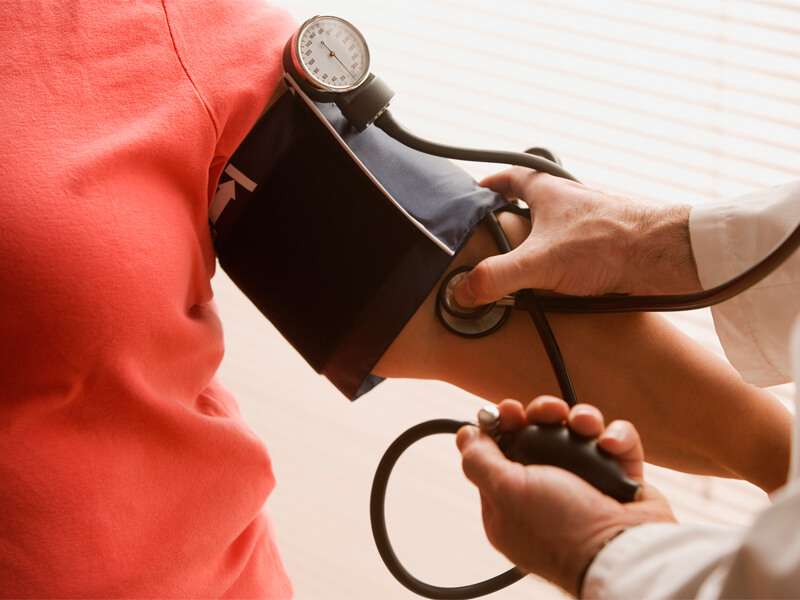
Acute respiratory infections (ARIs) affect the airways and lungs causing symptoms that range from mild to severe. These infections are frequent in all age groups but especially in children and elderly individuals.
- Causative factors: Viruses like influenza or bacteria including Streptococcus pneumoniae commonly cause ARIs.
- Symptom recognition: Patients may experience cough, sore throat, fever, nasal congestion, or breathing difficulties.
- Diagnostic process: Physical examination along with chest X-rays or throat swabs may be used when necessary to identify pathogens.
- Treatment approaches: Rest, hydration, symptomatic relief with antipyretics and cough suppressants; antibiotics only prescribed when bacterial infection is confirmed.
A timely diagnosis helps avoid complications such as pneumonia; most cases improve within one to two weeks with appropriate care.
TYPE 2 DIABETES CARE
Type 2 diabetes is a metabolic disorder characterized by insulin resistance leading to elevated blood sugar levels. It requires comprehensive care to prevent long-term complications.
- Underlying causes: Common risk factors include obesity, sedentary lifestyle, family history, and advancing age.
- How it’s diagnosed: Diagnosis involves fasting blood glucose tests, HbA1c assessment, or oral glucose tolerance testing.
- Treatment methods: Emphasis is placed on balanced nutrition, regular physical activity, oral hypoglycemic agents, or insulin therapy depending on severity.
- Lifestyle and monitoring: Regular blood sugar monitoring and periodic evaluation of organ function are crucial for optimal disease control.
A multidisciplinary approach with patient education enhances the ability to maintain healthy glucose levels and reduce complications such as neuropathy and cardiovascular issues.
HYPERTENSION MANAGEMENT
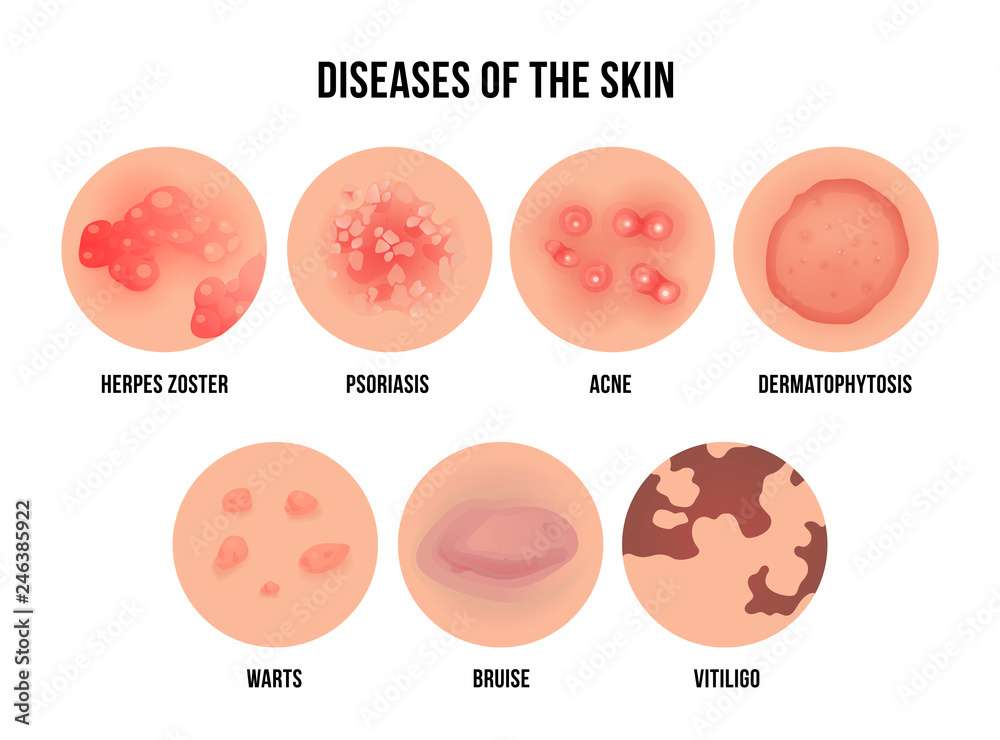
Hypertension, commonly known as high blood pressure, is a chronic medical condition where the force of blood against artery walls is elevated. This can lead to serious health complications if left untreated.
- Symptoms and causes: Often called the 'silent killer' due to its asymptomatic nature, hypertension can be caused by genetics, lifestyle factors like diet and physical inactivity, or underlying conditions.
- Diagnosis: It is diagnosed through regular blood pressure measurements using a sphygmomanometer; readings consistently above 140/90 mmHg typically indicate hypertension.
- Treatment options: Lifestyle changes such as dietary modifications (reducing salt intake), increased exercise, weight management, and medications like ACE inhibitors or beta-blockers are common approaches.
- Management expectations: With proper control, risks of heart disease, stroke, and kidney damage are reduced significantly. Continuous monitoring is essential for effective management.
Early detection and adherence to treatment plans play a vital role in maintaining quality of life for those affected by hypertension.