
Dr Indu Verma
About Me
Dr Indu Verma
MD
Anesthesiologist
Biography
My Clinic
OPD Hours
| Monday | Morning | 10:00 AM | - | 02:00 PM |
| Evening | 06:00 PM | - | 09:00 PM | |
| Tuesday | Morning | 10:00 AM | - | 02:00 PM |
| Evening | 06:00 PM | - | 09:00 PM | |
| Wednesday | Morning | 10:00 AM | - | 02:00 PM |
| Evening | 06:00 PM | - | 09:00 PM | |
| Thursday | Morning | 10:00 AM | - | 02:00 PM |
| Evening | 06:00 PM | - | 09:00 PM | |
| Friday | Morning | 10:00 AM | - | 02:00 PM |
| Evening | 06:00 PM | - | 09:00 PM | |
| Saturday | Morning | 10:00 AM | - | 02:00 PM |
| Evening | 06:00 PM | - | 09:00 PM | |
| Sunday | Morning | 10:00 AM | - | 02:00 PM |
| Evening | 06:00 PM | - | 09:00 PM |
Treatments
Specialised care and treatments offered
POSTOPERATIVE CARE
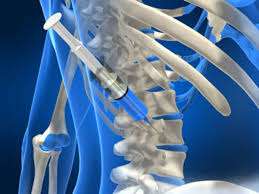
The journey doesn’t end once surgery is completed; effective postoperative care plays a crucial role in recovery. This encompasses various strategies aimed at monitoring patients' vital signs while providing adequate pain management following their surgical experiences.
- Symptoms Considered: The need for continuous observation stems mainly from understanding how individuals respond post-surgery alongside potential complications arising over time.
- Follow-Up Evaluations: Anesthesiologists usually conduct follow-up assessments within days after operations, ensuring everything aligns properly throughout recovery periods.
- Management Solutions Offered: Pain relief methods might involve prescribed medications aimed at facilitating prompt healing without excessive side effects wherever possible!
It's pivotal recognizing that restoring health encompasses more than just finishing surgeries themselves; attentive postoperative processes foster higher satisfaction among all parties involved!
PREOPERATIVE ASSESSMENT

A preoperative assessment guarantees a safe surgical experience by evaluating risk factors linked with anesthesia. This thorough review involves collecting extensive patient histories which lead to tailored anesthetic plans appropriate for each individual case.
- Symptoms and Causes: Common concerns include previous reactions to anesthetics or pre-existing medical conditions that could complicate surgery rather than treating it
- Evaluation: Information from medical history reviews along with physical exams assists anesthesiologists in assessing potential risks prior to administering any anesthesia
- Management Techniques: Strategies might range from using alternative medications accordingly adjusted dosages ensuring optimal safety during procedures
By addressing these factors early on,surgeonsand anesthesiologists work together towards achieving successful outcomes in surgical settings
PAIN MANAGEMENT CONSULTATION

Pain management consultations are aimed at identifying causes of persistent pain while developing effective strategies to alleviate it. Patients suffering from chronic pain conditions can benefit significantly from specialized care during such evaluations.
- Symptoms and Causes: Chronic pain can stem from various sources including injury, surgery complications, or underlying diseases like arthritis or fibromyalgia.
- Differential Diagnosis: Comprehensive assessments involve reviewing symptoms along with diagnostic imaging studies if needed, ensuring accurate identification of pain origin.
- Treatment Approaches: Treatment plans may include medications, lifestyle modifications, physical therapy, or interventional techniques like nerve blocks depending on individual responses.
REGIONAL ANESTHESIA

Regional anesthesia involves injecting anesthetic near a cluster of nerves, blocking sensation in a specific area of the body. This technique is commonly utilized for surgeries on limbs or lower body procedures such as cesarean sections.
- Symptoms and Causes: Ideal for patients undergoing surgeries that do not require full unconsciousness yet need significant pain relief in a targeted area.
- How it is Diagnosed: Patient evaluation focuses on surgical needs and any prior adverse reactions to anesthesia types during consultations with an anesthesiologist.
- Treatment Options: Various techniques exist including nerve blocks that provide excellent analgesia while sparing overall consciousness.
- Your Expectations: Patients often report feeling numbness in the affected area but remain alert; recovery times can vary based on the specific injection site used.
This method promotes faster recovery times post-surgery with less systemic side effects compared to general options.
SEDATION FOR MINOR PROCEDURES

Sedation involves the use of medication to relax patients during less invasive procedures. It is essential for reducing anxiety while ensuring that individuals remain comfortable throughout their treatments.
- Symptoms and Causes: Typically used in procedures such as endoscopies or dental work where anxiety might hinder cooperation.
- Diagnosis: The decision for sedation is based on the type of procedure and the patient's mental and physical health profile.
- Treatment/Management Options: Various levels of sedation can be tailored—from minimal sedation (where patients are awake but relaxed) to deeper levels where they may not recall the procedure afterwards.
- What to Expect: Patients generally recover quickly from sedation, although some may experience grogginess or confusion immediately afterward.
This approach minimizes discomfort while allowing healthcare providers to perform necessary interventions effectively.
GENERAL ANESTHESIA

General anesthesia is a medically induced state of unconsciousness that allows patients to undergo surgical procedures without experiencing pain or discomfort. This type of anesthesia is typically administered via inhaled gases or intravenous medications.
- Symptoms and Causes: Candidates for general anesthesia are usually undergoing major surgeries where pain management is crucial.
- Diagnosis: A thorough medical history and physical examination help identify suitability for general anesthesia based on factors like age, health status, and the nature of the surgery.
- Treatment Options: Anesthesiologists will choose the specific agents to use, adjusting dosages according to individual patient needs.
- Expectations: Patients may feel drowsy upon waking up from anesthesia, and common post-operative monitoring includes checking vital signs and cognitive functions.
This form of anesthesia ensures that patients are completely unaware during their procedures, providing comfort and peace of mind.