
Dr Iqbal Bagasrawala
About Me
Dr Iqbal Bagasrawala
Anesthesiologist
Biography
My Clinic
OPD Hours
| Tuesday | Morning | 10:00 AM | - | 02:00 PM |
| Evening | 06:00 PM | - | 09:00 PM | |
| Wednesday | Morning | 10:00 AM | - | 02:00 PM |
| Evening | 06:00 PM | - | 09:00 PM | |
| Thursday | Morning | 10:00 AM | - | 02:00 PM |
| Evening | 06:00 PM | - | 09:00 PM | |
| Friday | Morning | 10:00 AM | - | 02:00 PM |
| Evening | 06:00 PM | - | 09:00 PM | |
| Saturday | Morning | 10:00 AM | - | 02:00 PM |
| Evening | 06:00 PM | - | 09:00 PM | |
| Sunday | Morning | 10:00 AM | - | 02:00 PM |
| Evening | 06:00 PM | - | 09:00 PM | |
| Thursday | Morning | 10:00 AM | - | 02:00 PM |
| Evening | 06:00 PM | - | 09:00 PM |
Treatments
Specialised care and treatments offered
ANESTHESIA SAFETY MONITORING
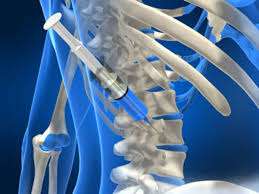
Anesthesia safety monitoring encompasses various protocols designed to ensure patient security during surgical procedures. The process focuses on real-time assessment through vital sign checks and other parameters while under sedation or general anesthetic influences
- Symptoms: Discomfort regarding potential risks associated inherently accompanies any form involving medication administration — education mitigates fears upfront!
- Diagnosis: Evaluation occurs pre-operatively alongside continuous observations documenting physiological changes throughout respective interventions conducted thereafter!
- Treatment options: Advanced technologies such as pulse oximetry enable thorough evaluations focused specifically around heart rate fluctuations respiratory patterns within contextually defined frameworks guiding decisions made!
- What To Expect: Dedicated personnel continuously track stats ensuring adherence strictly aligned against established standards thereby enhancing overall confidence amongst participants involved at every stage witnessed within framework layouts established!
An emphasis placed upon safety measures allows all parties concerned increased reassurance ultimately resulting favorable outcomes materials utilized validating practices applied operationally implemented across varying scenarios encountered daily!
PAIN MANAGEMENT TECHNIQUES

Pain management is integral for individuals recovering from surgery or coping with chronic conditions. Various techniques aim at minimizing discomfort while promoting healing processes effectively.
- Symptoms: Persistent pain can delay recovery after surgery; recognizing when additional support is needed is crucial for timely intervention!
- Diagnosis: Thorough evaluations including both physical examinations and patient reports guide doctors in creating tailored approaches directed towards alleviating discomforts!
- Treatment options: Pain relief strategies encompass both pharmacological methods (medications) as well as non-pharmacological interventions like nerve blocks targeting specific areas!
- What to expect: Regular follow-ups assist practitioners in assessing effectiveness & modifying plans accordingly; open communication remains vital throughout this journey towards wellness!
A comprehensive approach ensures individuals attain optimal quality-of-life outcomes even amidst challenging circumstances related specifically due toward chronic pains!
SEDATION FOR DENTAL PROCEDURES

Anxiety about dental work can deter patients from seeking care; thus, sedation techniques provide a solution. Sedation dentistry aims to help individuals feel more relaxed during their appointments without complete unconsciousness.
- Symptoms: Common fears include discomfort associated with procedures; sedation alleviates these issues effectively.
- Diagnosis: Assessment includes reviewing patient health histories and understanding individual anxiety levels regarding dental visits.
- Treatment options: Options range from nitrous oxide (laughing gas) to oral sedatives tailored per patient comfort and needs.
- What to expect: Patients typically remain conscious but have little memory of the procedure afterward due to effective relaxation techniques employed by professionals.
This approach significantly improves patient experiences by addressing anxieties surrounding dental treatment in a calm environment facilitated by trained specialists.
MONITORED ANESTHESIA CARE (MAC)

This form of anesthesia combines sedation with local anesthetics for outpatient procedures. Monitored Anesthesia Care keeps patients comfortable while allowing them to respond as needed throughout the process.
- Symptoms: Ideal for minor surgeries where complete unconsciousness isn't necessary; anxiety management is critical for patient comfort.
- Diagnosis: Pre-operative assessments determine suitability based on medical history and preferences regarding sedation levels.
- Treatment options: Includes intravenous sedatives alongside local pain relief administered directly at the surgical site.
- What to expect: Patients will receive close monitoring during the procedure but may feel drowsy yet responsive throughout it.
The flexibility of MAC aids in quick recoveries while ensuring adequate pain control during outpatient treatments.
REGIONAL ANESTHESIA

Regional anesthesia involves injecting anesthetic near nerves to block sensation in specific areas of the body. This approach is commonly used for procedures on the lower limbs or abdomen.
- Symptoms: Patients may require regional anesthesia if they want to avoid the effects of general anesthesia or have specific health conditions restricting its use.
- Diagnosis: The decision is based on evaluating the patient's medical history, current health status, and nature of the procedure being performed.
- Treatment options: Techniques include spinal blocks, epidurals, and nerve blocks tailored to individual needs.
- What to expect: Although patients remain awake during procedures, they often receive sedatives to promote comfort.
This method enhances recovery time and minimizes discomfort while providing effective pain management during surgery.
GENERAL ANESTHESIA

General anesthesia is a medically induced state of unconsciousness that provides pain relief during surgical procedures. This technique is essential for surgeries where the patient must be completely unaware and unresponsive.
- Symptoms: Patients may experience anxiety or fear about undergoing surgery, which can be alleviated by discussing anesthesia options with their anesthesiologist.
- Diagnosis: Preparing for general anesthesia involves a thorough medical history review and physical examination to identify any potential risks.
- Treatment options: Management includes administering medications intravenously or through inhalation to ensure a safe, deep level of sedation.
- What to expect: Patients are monitored closely throughout the procedure, and recovery involves waking up in a post-anesthetic care unit under supervision.
A thorough understanding of general anesthesia helps alleviate concerns and ensures a safer surgical experience.