
Dr Irfan Zamiruddin Khatib
About Me
Dr Irfan Zamiruddin Khatib
Cardiologist
Biography
My Clinic
OPD Hours
| Tuesday | Morning | 10:00 AM | - | 02:00 PM |
| Evening | 06:00 PM | - | 09:00 PM | |
| Wednesday | Morning | 10:00 AM | - | 02:00 PM |
| Evening | 06:00 PM | - | 09:00 PM | |
| Thursday | Morning | 10:00 AM | - | 02:00 PM |
| Evening | 06:00 PM | - | 09:00 PM | |
| Friday | Morning | 10:00 AM | - | 02:00 PM |
| Evening | 06:00 PM | - | 09:00 PM | |
| Saturday | Morning | 10:00 AM | - | 02:00 PM |
| Evening | 06:00 PM | - | 09:00 PM | |
| Sunday | Morning | 10:00 AM | - | 02:00 PM |
| Evening | 06:00 PM | - | 09:00 PM | |
| Thursday | Morning | 10:00 AM | - | 02:00 PM |
| Evening | 06:00 PM | - | 09:00 PM |
Treatments
Specialised care and treatments offered
ELECTROCARDIOGRAM (ECG) MONITORING

An electrocardiogram (ECG) serves as a vital diagnostic tool that records electrical signals from your heart. It aids in detecting underlying conditions affecting cardiovascular health efficiently!
- No specific symptoms indicate need necessarily unless abnormal rhythms arise prompting further investigations; routine checks however unveil potential irregularities early on—preventative care at its finest!
- The ECG procedure involves placing electrodes on the chest which transmit data into graphs illustrating peak voltages across time indicating rhythm patterns visually too !
- Following analysis comes identifying problems along lines indicating arrhythmias/stress responses whereby recommendations will follow action plans accordingly—medications/treatments follow post-diagnosis revealed concerns .
- Patients usually experience little discomfort throughout procedure duration while enjoying expeditious recovery thereafter returning home post-assessment!
- Routine external monitoring could become part holistic wellness journey enhancing awareness enables addressing matters swiftly improving long-term prognosis ultimately!
Patient education surrounding ECG monitoring empowers individuals leading healthier lives by tackling potential risks upfront—commitment pays rewards long run too!
HEART FAILURE MANAGEMENT
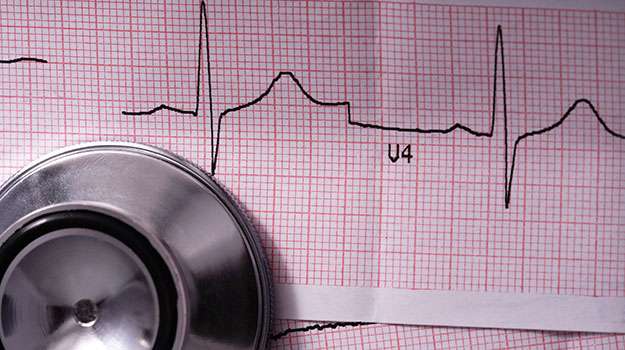
Heart failure occurs when the heart cannot pump sufficiently to maintain blood flow required by the body. Early recognition of this condition significantly improves outcomes for affected individuals.
- Main symptoms commonly include shortness of breath during exertion or rest, swelling in legs/ankles due to fluid retention, and extreme fatigue impacting daily activities.
- Diagnosis typically involves physical examinations alongside echocardiograms or MRIs that reveal structural issues with the heart muscle's functioning ability needs assessment too!
- Treatment consists of prescribed medications such as ACE inhibitors which aid cardiac efficiency while lifestyle adjustments play equally pivotal roles—these encompass sodium-restricted diets along with routine exercise regimens.
- Ongoing medical supervision is essential ; stable tracking ensures timely interventions whenever conditions potentially worsen occur .
Successful management hinges on communication between patient & healthcare provider ensuring tailored approaches yield maximum benefit towards achieving optimal well-being goals plus sustained relief from debilitating symptoms experienced previously !
CORONARY ARTERY DISEASE PREVENTION
Coronary artery disease (CAD) occurs when the coronary arteries become narrowed or blocked due to plaque buildup. Preventive measures play a critical role in reducing risks associated with CAD.
- Symptoms might include chest pain (angina), shortness of breath during exertion, or even silent attacks without noticeable signs.
- This disease can be diagnosed through various methods including stress tests, angiograms, or CT scans that visualize coronary artery health.
- A preventative approach encompasses lifestyle changes like adopting a heart-healthy diet low in saturated fats and sugars combined with regular physical activity.
- Medications might also be prescribed when necessary to manage cholesterol levels or blood pressure effectively.
- By managing risk factors such as smoking cessation and maintaining a healthy weight, one can significantly reduce the likelihood of developing CAD.
Staying informed about CAD prevention tactics allows individuals greater control over their cardiovascular health—take proactive steps today!
ARRHYTHMIA TREATMENT
An arrhythmia refers to an irregular heartbeat that can disrupt normal heart function. Understanding this condition is key for ensuring proper cardiac care.
- Symptoms may range from palpitations and dizziness to fatigue or fainting spells in severe instances.
- Diagnosis often includes an electrocardiogram (ECG), Holter monitoring, or stress testing to capture irregularities in heart rhythms.
- Treatment varies based on severity but may include lifestyle modifications, medications like beta-blockers, or procedures such as catheter ablation.
- Regular follow-ups are crucial in managing this condition effectively and preventing complications such as stroke or heart failure.
- An individualized treatment plan can help normalize your heart rhythm and improve quality of life.
If you experience any unusual symptoms related to your heartbeat, it's important to seek medical advice promptly. Understanding arrhythmias leads to better management strategies!
CHOLESTEROL SCREENING
Cholesterol screening is vital for assessing the risk of cardiovascular disease. Knowing your cholesterol levels helps guide lifestyle choices and treatment decisions.
- High cholesterol typically shows no symptoms; hence screening is important even for those feeling well.
- The diagnosis involves a simple blood test measuring total cholesterol, LDL (bad) cholesterol, HDL (good) cholesterol, and triglycerides.
- Treatment may include dietary changes (reducing saturated fats), regular physical activity, and sometimes medications like statins.
- Patients should have regular screenings based on their age, risk factors like family history, and overall health status.
- A proactive approach to managing cholesterol levels can significantly improve long-term health outcomes.
Your commitment to regular screenings can empower you in the prevention of serious cardiovascular events. Stay vigilant!
HYPERTENSION MANAGEMENT
Hypertension, often referred to as high blood pressure, is a common condition that can lead to serious health complications if left untreated. Regular monitoring and effective management are crucial for maintaining heart health.
- Symptoms may not be obvious, but they can include headaches, shortness of breath, or nosebleeds in severe cases.
- This condition is commonly diagnosed through blood pressure measurements taken during routine check-ups.
- Treatment options include lifestyle changes such as diet modifications, regular exercise, and medications like diuretics or ACE inhibitors.
- Management requires ongoing follow-up visits to monitor progress and make necessary adjustments to treatment plans.
- With proper care, patients can maintain healthy blood pressure levels and reduce the risk of heart disease.
Effective management of hypertension is essential for preventing complications such as stroke or heart attack. Make it a priority to stay informed and work closely with your healthcare provider.