
Dr Ismail Shaikh
About Me
Dr Ismail Shaikh
Dermatologist
Biography
My Clinic
OPD Hours
| Tuesday | Morning | 10:00 AM | - | 02:00 PM |
| Evening | 06:00 PM | - | 09:00 PM | |
| Wednesday | Morning | 10:00 AM | - | 02:00 PM |
| Evening | 06:00 PM | - | 09:00 PM | |
| Thursday | Morning | 10:00 AM | - | 02:00 PM |
| Evening | 06:00 PM | - | 09:00 PM | |
| Friday | Morning | 10:00 AM | - | 02:00 PM |
| Evening | 06:00 PM | - | 09:00 PM | |
| Saturday | Morning | 10:00 AM | - | 02:00 PM |
| Evening | 06:00 PM | - | 09:00 PM | |
| Sunday | Morning | 10:00 AM | - | 02:00 PM |
| Evening | 06:00 PM | - | 09:00 PM | |
| Thursday | Morning | 10:00 AM | - | 02:00 PM |
| Evening | 06:00 PM | - | 09:00 PM |
Treatments
Specialised care and treatments offered
ROSACEA
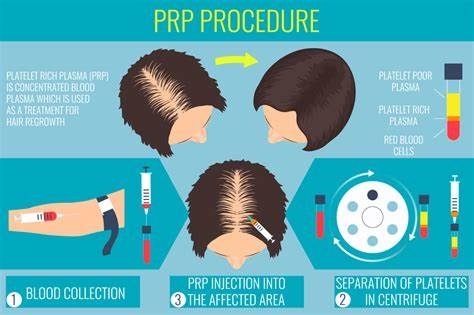
This chronic condition primarily affects the facial skin, leading to redness and visible blood vessels. It often appears in cycles marked by flare-ups influenced by environmental factors or stressors.
- Symptoms: Common signs include persistent facial flushing extending beyond typical blush patterns accompanied by bumps resembling acne.
- Diagnosis: Dermatologists diagnose rosacea through clinical evaluation; discussing personal history aids in recognizing specific triggers associated with flare-ups.
- Management: Treatment might involve topical medications targeting inflammation alongside oral antibiotics for more severe manifestations.
- Lifestyle modifications: Understanding potential exacerbating factors such as sunlight exposure or certain foods helps mitigate outbreaks effectively.
By identifying individual patterns influencing their condition’s course patients can take control while seeking appropriate interventions leading ultimately towards healthier looking skin over time.
SKIN CANCER SCREENING
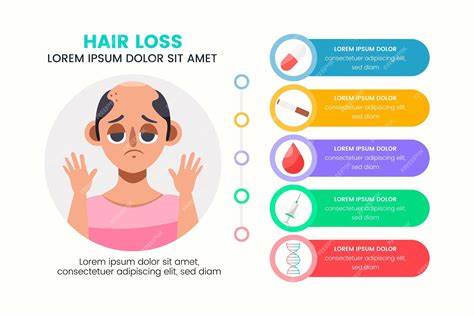
A routine skin cancer screening is crucial for early detection of possible malignancies. Skin cancers such as melanoma often present subtle changes on the surface that require expert evaluation.
- Dermoscopic examination: This technique allows dermatologists to examine unusual moles or spots closely for irregularities indicative of cancerous changes.
- Suspicious lesions must be evaluated: A patient’s history combined with physical exams guides dermatologists in recognizing atypical signs requiring further investigation or biopsies .
Regular screenings significantly increase early diagnosis chances; understanding what changes to watch for empowers patients greatly in proactive health care decisions.
CONTACT DERMATITIS
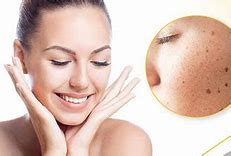
This inflammatory skin condition occurs when the skin reacts to an irritant or allergen. It manifests through redness, itching, and swelling upon contact with specific substances.
- Causative agents: Common triggers include soaps, cosmetics, metals (like nickel), or plants like poison ivy.
- Differentiation: Diagnosing contact dermatitis typically includes patch testing to identify allergens responsible for the reaction.
- Treatment options: Management involves avoiding known irritants/contact materials along with topical corticosteroids to alleviate symptoms during flare-ups.
Avoiding exposure is essential for long-term relief; maintaining awareness about potential triggers helps prevent recurrences effectively.
ACNE
Acne is one of the most prevalent skin conditions affecting individuals of all ages. It occurs when hair follicles become clogged with oil and dead skin cells, resulting in pimples or cysts.
- Symptoms: Common signs include pimples, blackheads, whiteheads, and sometimes deeper cystic lesions that can be painful.
- Diagnosis: A dermatologist assesses acne based on visual inspection; medical history may also consider severity and triggering factors.
- Treatment strategies: Options range from topical treatments like retinoids to oral medications such as antibiotics or hormonal therapies for more persistent cases.
- Lifestyle Factors: Stress management and proper skincare routines can enhance treatment efficacy.
A comprehensive approach often yields significant improvements in skin appearance and reduces scarring risks associated with severe acne outbreaks.
ECZEMA
Eczema, or atopic dermatitis, is a common skin condition that causes inflammation, redness, and itchiness. It often appears in early childhood but can occur at any age.
- Symptoms: Dryness and itchiness are primary symptoms accompanied by red patches that may ooze or crust over.
- Diagnosis: Diagnosis typically involves a thorough examination and review of medical history to identify triggers.
- Treatment options: Treatment often involves the use of emollients and topical corticosteroids to relieve symptoms.
- Triggers: Identifying and avoiding irritants or allergens plays a crucial role in managing eczema effectively.
Understanding your condition is vital for effective management, allowing you to minimize breakouts and maintain skin health.
PSORIASIS
Psoriasis is a chronic autoimmune condition that results in the rapid growth of skin cells, leading to scaling on the skin's surface. While it can affect any part of the body, it is most commonly found on the elbows, knees, and scalp.
- Symptoms: Characterized by red patches covered with thick, silvery scales.
- Diagnosis: Typically diagnosed through a physical examination of the skin; sometimes a biopsy may be performed.
- Treatment options: Includes topical treatments, phototherapy, and systemic medications that help manage symptoms.
- Management: Maintaining a healthy lifestyle and following treatment plans can significantly reduce flare-ups.
With proper management, individuals can lead healthy lives while keeping symptoms in check.