
Dr J B Gupta
About Me
Dr J B Gupta
MD
Diabetologist
10 Years Experience
Biography
My Clinic
OPD Hours
| Monday | Morning | 10:00 AM | - | 02:00 PM |
| Evening | 06:00 PM | - | 09:00 PM | |
| Tuesday | Morning | 10:00 AM | - | 02:00 PM |
| Evening | 06:00 PM | - | 09:00 PM | |
| Wednesday | Morning | 10:00 AM | - | 02:00 PM |
| Evening | 06:00 PM | - | 09:00 PM | |
| Thursday | Morning | 10:00 AM | - | 02:00 PM |
| Evening | 06:00 PM | - | 09:00 PM | |
| Friday | Morning | 10:00 AM | - | 02:00 PM |
| Evening | 06:00 PM | - | 09:00 PM | |
| Saturday | Morning | 10:00 AM | - | 02:00 PM |
| Evening | 06:00 PM | - | 09:00 PM | |
| Sunday | Morning | 10:00 AM | - | 02:00 PM |
| Evening | 06:00 PM | - | 09:00 PM |
Treatments
Specialised care and treatments offered
DIABETIC FOOT ULCER CARE

Caring for diabetic foot ulcers requires specialized attention as these wounds pose serious risks of infection due to impaired healing associated with diabetes complications affecting circulation and nerve sensation.
SGLT2 INHIBITOR THERAPY
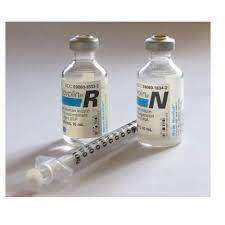
Sodium-glucose cotransporter-2 (SGLT2) inhibitors are newer oral medications used in managing type 2 diabetes by promoting glucose excretion through urine rather than solely relying on insulin pathways.
- Symptoms and causes:This treatment suits patients struggling with elevated blood sugar despite lifestyle changes and other oral agents due to insufficient endogenous insulin activity or resistance.
- Diagnosis:Disease progression analysis combined with renal function testing guides safe initiation since these drugs act on kidney glucose filtration processes.
- Treatment and management:SGLT2 inhibitors reduce plasma glucose independently from pancreatic beta-cell function while also offering cardiovascular protection benefits proven in clinical trials.
BARIATRIC SURGERY FOR DIABETES MANAGEMENT
Bariatric surgery can be a powerful tool not only for weight loss but also for improving blood sugar control in patients with obesity-related type 2 diabetes mellitus.
- Symptoms and causes:This is considered when conventional therapies fail in overweight or obese individuals whose elevated body mass complicates glycemic regulation.
- Diagnosis:A thorough metabolic workup along with psychological evaluation helps identify suitable candidates who will benefit most from surgical intervention.
- Treatment and management:Surgical options include gastric bypass or sleeve gastrectomy that alter digestive anatomy leading to hormonal changes enhancing insulin sensitivity and secretion.
- What to expect:The procedure requires commitment to lifestyle modifications post-operation plus continuous monitoring of metabolic parameters to maximize remission rates of diabetes symptoms over time.
Bariatric surgery represents an integrated approach targeting both weight reduction and improved glucose metabolism simultaneously with long-term benefits for selected patients.
PANCREATIC ISLET CELL TRANSPLANTATION
A cutting-edge intervention for severe diabetes involves transplanting insulin-producing islet cells from a donor pancreas into the patient's liver to restore endogenous insulin secretion.
- Symptoms and causes: This option is generally reserved for patients with brittle type 1 diabetes who have life-threatening hypoglycemia unawareness despite optimal medical care.
- Diagnosis: Comprehensive evaluation includes pancreatic function tests, immune status assessment, and overall health screening to determine transplant eligibility.
- Treatment and management:The procedure entails isolation of donor islets followed by infusion into the recipient’s portal vein; immunosuppressive therapy is necessary post-transplant to prevent rejection.
- What to expect:The goal is reduced insulin dependence; however, patients require ongoing monitoring for graft function, side effects of immunosuppression, and potential complications.
This transplantation holds promise but remains an option limited by donor availability and lifelong medication requirements.
INSULIN PUMP THERAPY
For some individuals with diabetes, managing blood sugar levels can be enhanced through advanced delivery methods like insulin pump therapy. This approach provides precise, customizable insulin dosing around the clock.
- Symptoms and causes: Candidates often include those with type 1 diabetes or difficult-to-control type 2 diabetes requiring intensive insulin regimens.
- Diagnosis: Patient assessment includes evaluating blood glucose patterns, lifestyle needs, and willingness to manage device operation.
- Treatment and management: The small pump delivers rapid-acting insulin continuously via a catheter placed under the skin, mimicking natural pancreatic function more closely than multiple daily injections.
- What to expect: Users must be trained on pump programming and troubleshooting; regular follow-up ensures optimal glycemic outcomes while minimizing hypo/hyperglycemic episodes.
This therapy offers greater flexibility in daily activities while maintaining tighter blood sugar control compared to traditional methods.
CONTINUOUS GLUCOSE MONITORING (CGM)
Managing diabetes effectively requires constant awareness of blood sugar levels. Continuous Glucose Monitoring (CGM) technology allows for real-time tracking of glucose fluctuations throughout the day.
- Symptoms and causes: CGM is especially useful for patients experiencing frequent hypoglycemia or hyperglycemia despite standard treatment.
- Diagnosis: The device measures interstitial glucose levels through a tiny sensor inserted under the skin, providing ongoing data beyond traditional finger-prick tests.
- Treatment and management: By analyzing CGM data, healthcare providers can tailor therapy plans, adjusting insulin dosage or lifestyle factors accordingly.
- What to expect: The sensor typically lasts 7-14 days and transmits data wirelessly to a receiver or smartphone, alerting users about dangerous glucose excursions.
This technology empowers patients with diabetes to make informed decisions and potentially achieve improved glycemic control with fewer complications.