
Dr J D Sunavala
About Me
Dr J D Sunavala
Internal Medicine
Biography
My Clinic
OPD Hours
| Tuesday | Morning | 10:00 AM | - | 02:00 PM |
| Evening | 06:00 PM | - | 09:00 PM | |
| Wednesday | Morning | 10:00 AM | - | 02:00 PM |
| Evening | 06:00 PM | - | 09:00 PM | |
| Thursday | Morning | 10:00 AM | - | 02:00 PM |
| Evening | 06:00 PM | - | 09:00 PM | |
| Friday | Morning | 10:00 AM | - | 02:00 PM |
| Evening | 06:00 PM | - | 09:00 PM | |
| Saturday | Morning | 10:00 AM | - | 02:00 PM |
| Evening | 06:00 PM | - | 09:00 PM | |
| Sunday | Morning | 10:00 AM | - | 02:00 PM |
| Evening | 06:00 PM | - | 09:00 PM | |
| Thursday | Morning | 10:00 AM | - | 02:00 PM |
| Evening | 06:00 PM | - | 09:00 PM |
Treatments
Specialised care and treatments offered
HYPERLIPIDEMIA
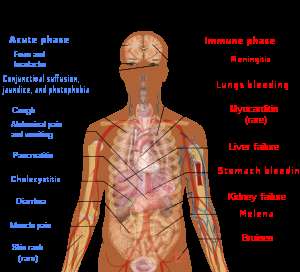
This medical condition pertains specifically towards elevated cholesterol levels manifesting as both high LDL (bad cholesterol) & low HDL (good cholesterol). Awareness regarding hyperlipidemia enables timely preventive measures!
- Symptoms: Many are asymptomatic until serious complications emerge manifesting effects including chest pain leading potentially towards heart disease episodes if untreated long-term.
- Causes:This state arises predominantly from poor dietary choices/lack of activity elevating lipids alongside genetic influences heightening risks across families too!
- Diagnosis: The assessment process employs lipid panels testing various lipid profiles defining risk categories accurately after evaluating nutrition patterns beforehand! / Ul/>
- / Treatment: Managing these profiles demands intervention via lifestyle alterations emphasizing healthy eating/exercise habits followed closely perhaps utilizing medications subsequently prescribed after thorough evaluations completed regularly!< Li/>
PNEUMONIA
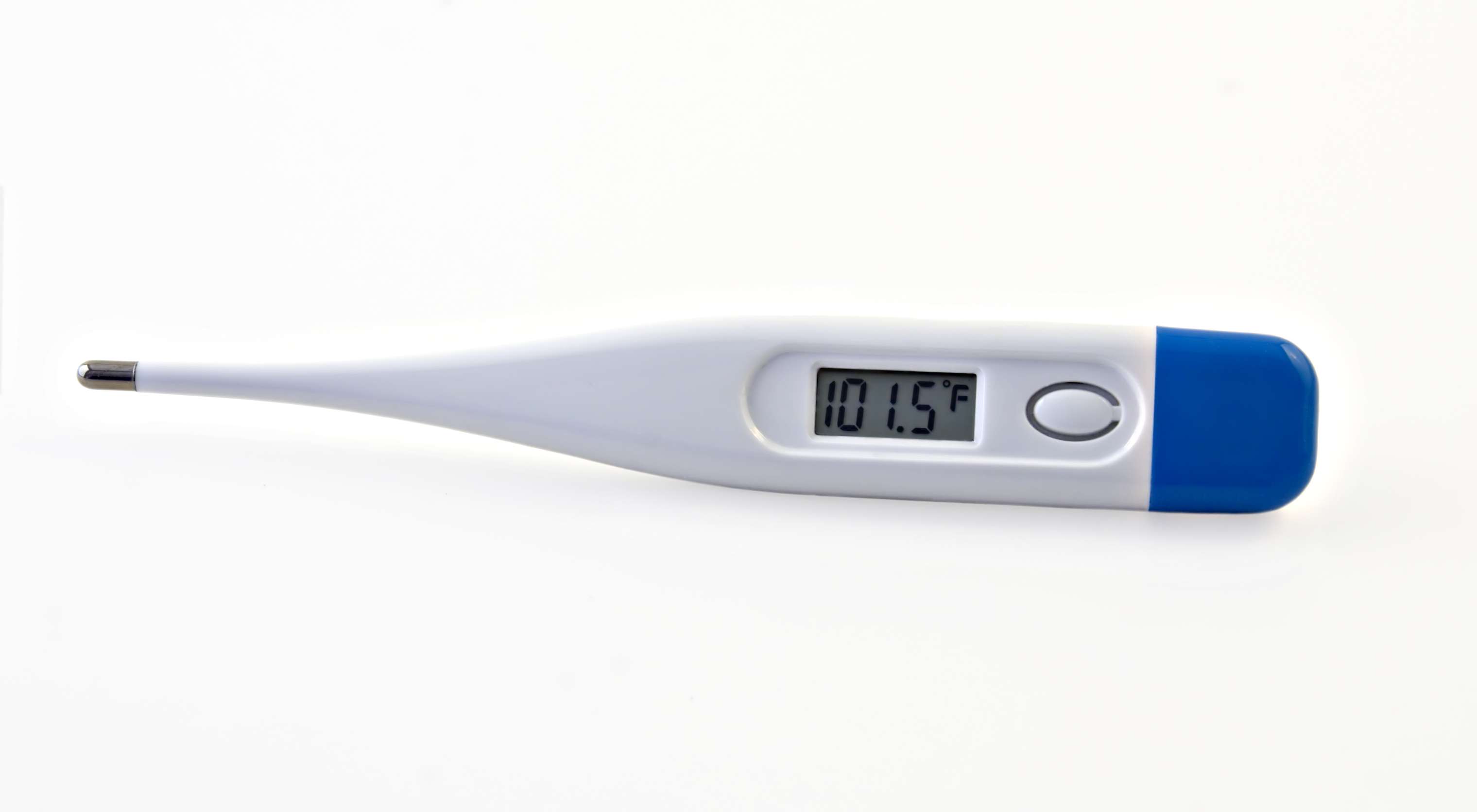
Pneumonia is an infection that inflames air sacs in one or both lungs. It can be caused by various organisms including bacteria, viruses, and fungi. Understanding pneumonia's implications is vital for prompt treatment & recovery!
- Symptoms: Key signs include persistent cough producing phlegm or pus-like mucus along with fever/chills making this an emergency when severe.
- Causes: Pneumonia commonly develops following viral infections like the flu but may also arise post-surgery/injury where bacteria enter the lungs more easily.
- Diagnosis: Medical professionals will likely perform imaging techniques such as chest X-rays coupled with sputum cultures confirming types causing pneumonia.
- Treatment: Initial management primarily targets bacterial forms utilizing antibiotics while supportive therapies boost recovery alongside rest/hydration efforts.
- What To Expect: Most mild cases resolve within weeks although chronic conditions/symptoms necessitate extended follow-ups ensuring complete resolution post-pneumonia episode.
Your journey towards full recovery starts here by trusting healthcare practices fully guiding you through each step!
CHRONIC KIDNEY DISEASE
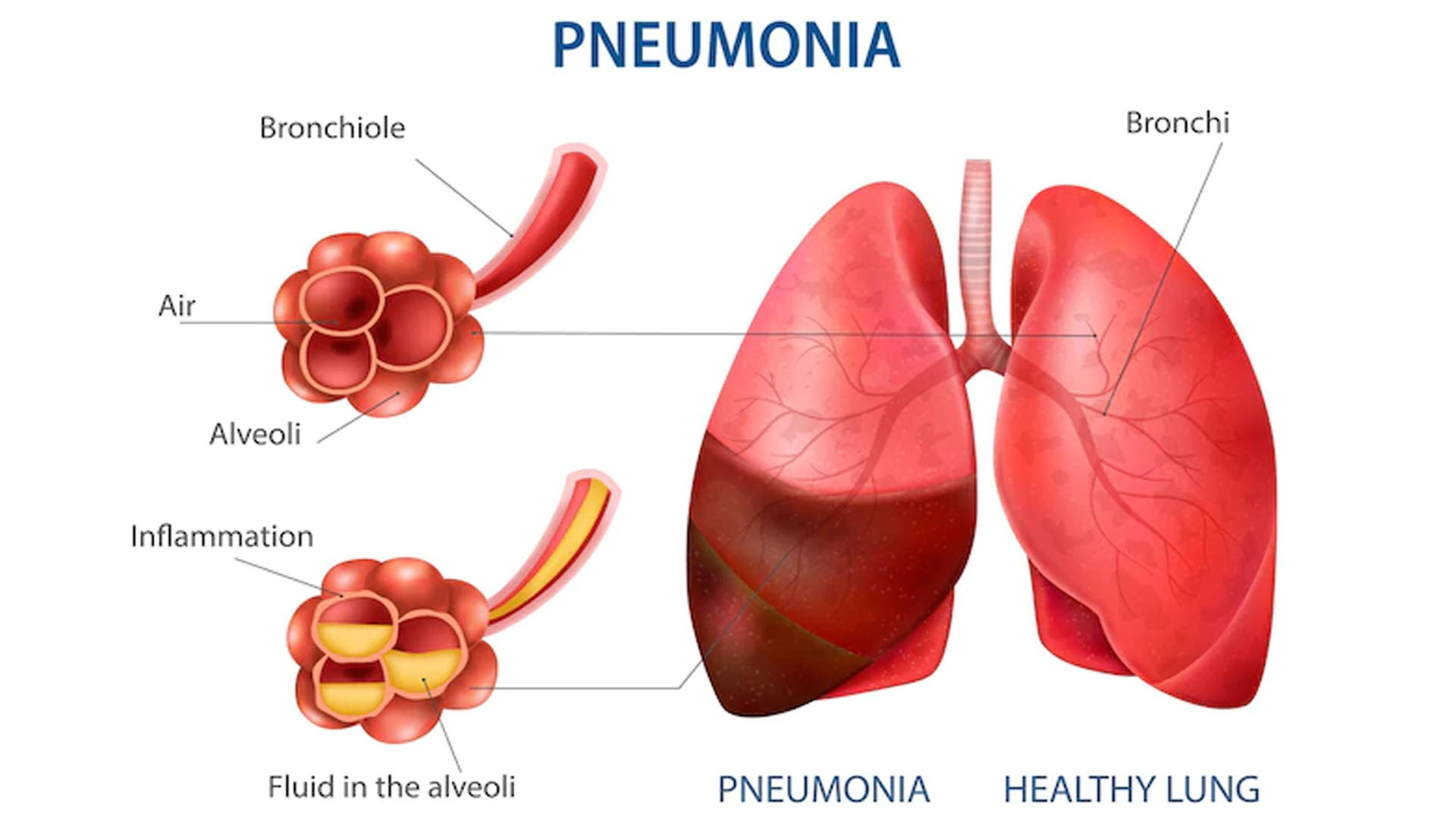
Chronic Kidney Disease (CKD) signifies a gradual loss of kidney function over time, impacting waste elimination from the bloodstream. Early detection is crucial for effective management of this progressive condition.
- Symptoms: People may exhibit fatigue, swelling in extremities (due to fluid retention), nausea, or urinary changes only at later stages when the disease has progressed significantly.
- Causative factors:Common causes include diabetes mellitus and hypertension which can be managed through lifestyle interventions before they severely affect kidney health.
- Diagnosis:Routine blood tests measuring creatinine levels alongside urinalysis help ascertain kidney functionality over time.
- Treatment:Management typically encompasses controlling underlying health issues through medications along with dietary modifications focusing on low protein intake.
- What to expect:Regular monitoring with your healthcare provider will guide adjustments needed throughout the progression stages ensuring better outcomes when caught early.
Being proactive in your health maintenance routine can yield significant benefits for those predisposed or diagnosed with CKD.
ASTHMA
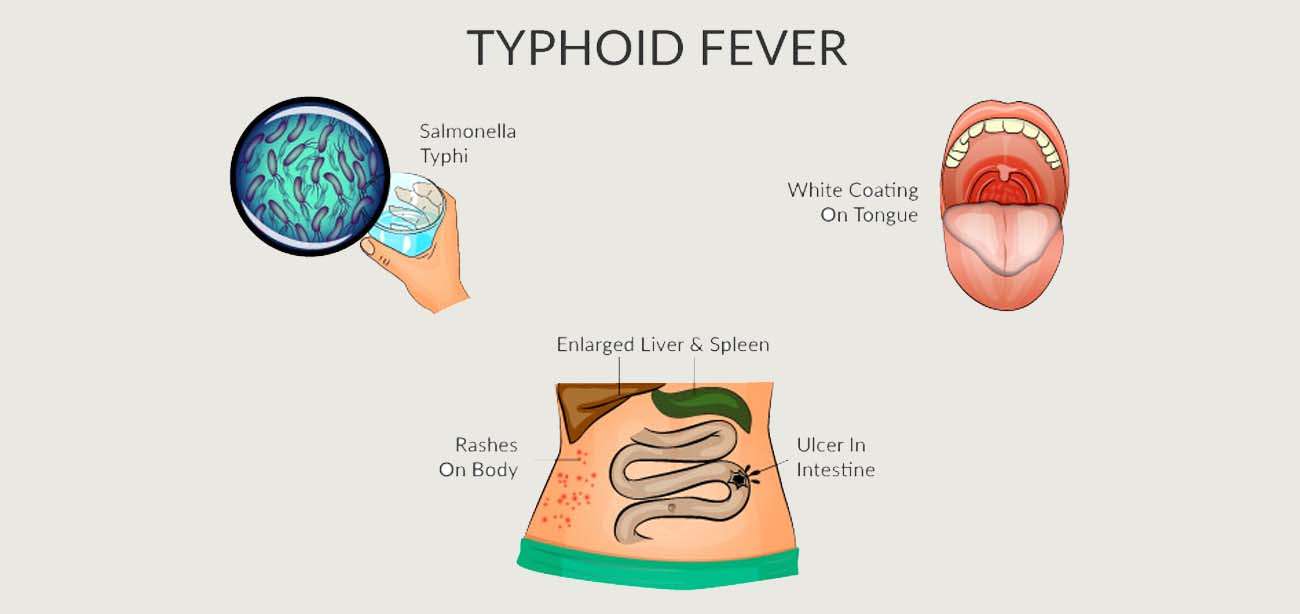
Asthma is a chronic lung condition characterized by inflamed airways leading to difficulty in breathing. It affects individuals across all age groups but often begins in childhood.
- Symptoms: Symptoms include wheezing, coughing (especially at night), chest tightness, and shortness of breath during physical activities or upon exposure to allergens.
- Causes: Triggers range from environmental factors like smoke or pollen to respiratory infections and intense physical exertion.
- Diagnosis: A thorough assessment includes clinical history reviews along with lung function tests like spirometry to measure airflow obstruction.
- Treatment: Management strategies consist of inhaled corticosteroids for inflammation control along with bronchodilators for immediate relief during attacks.
- What to expect: With consistent care and an action plan in place, many individuals lead active lives without significant limitations from asthma symptoms.
The key to managing asthma effectively lies in understanding triggers and adhering strictly to prescribed treatments.
DIABETES MELLITUS
Diabetes Mellitus encompasses a group of diseases affecting how the body uses blood sugar (glucose). Proper management of diabetes is essential for preventing serious health issues such as heart disease and kidney failure.
- Symptoms: Common indications include increased thirst, frequent urination, extreme fatigue, and blurred vision.
- Causes: Risk factors involve genetics, physical inactivity, obesity, and poor dietary choices.
- Diagnosis: Diagnosis typically involves fasting blood glucose tests or HbA1c levels that assess average blood sugar over time.
- Treatment: Treatment focuses on balancing blood sugar levels through medication or insulin therapy alongside lifestyle changes such as diet and exercise routines.
- What to expect: Ongoing monitoring is vital. Individuals can achieve normal glucose levels with proper guidance from healthcare professionals.
A proactive approach towards managing diabetes can significantly enhance quality of life and reduce complications.
HYPERTENSION
Hypertension, commonly referred to as high blood pressure, is a chronic condition that can lead to severe health complications if left untreated. It affects millions of people worldwide and is often termed the "silent killer" due to its lack of noticeable symptoms.
- Symptoms: Most individuals may not experience overt signs; however, headaches, shortness of breath, and nosebleeds can occur in critical cases.
- Causes: Factors include genetic predisposition, obesity, physical inactivity, excessive salt intake, and stress.
- Diagnosis: Blood pressure readings are taken using a sphygmomanometer. Additional tests may include blood tests and urinalysis to rule out underlying conditions.
- Treatment: Management includes lifestyle changes such as diet modifications and increased exercise. Medications like diuretics or ACE inhibitors may also be prescribed.
- What to expect: Regular monitoring of blood pressure is essential. With adherence to treatment regimes, most patients can manage the condition effectively.
If you suspect hypertension, it’s crucial to consult a healthcare professional for appropriate evaluation and treatment options.