
Dr J K Chouhan
About Me
Dr J K Chouhan
DO
Ophthalmologist
10 Years Experience
Biography
My Clinic
OPD Hours
| Monday | Morning | 10:00 AM | - | 02:00 PM |
| Evening | 06:00 PM | - | 09:00 PM | |
| Tuesday | Morning | 10:00 AM | - | 02:00 PM |
| Evening | 06:00 PM | - | 09:00 PM | |
| Wednesday | Morning | 10:00 AM | - | 02:00 PM |
| Evening | 06:00 PM | - | 09:00 PM | |
| Thursday | Morning | 10:00 AM | - | 02:00 PM |
| Evening | 06:00 PM | - | 09:00 PM | |
| Friday | Morning | 10:00 AM | - | 02:00 PM |
| Evening | 06:00 PM | - | 09:00 PM | |
| Saturday | Morning | 10:00 AM | - | 02:00 PM |
| Evening | 06:00 PM | - | 09:00 PM | |
| Sunday | Morning | 10:00 AM | - | 02:00 PM |
| Evening | 06:00 PM | - | 09:00 PM |
Treatments
Specialised care and treatments offered
OCULAR SURFACE DISEASE DIAGNOSIS
The ocular surface encompasses various components like tears and conjunctiva; diseases affecting this area are common yet often overlooked. Conditions such as dry eyes severely impact everyday life quality.
- Symptoms typically include persistent dryness, irritation, redness, or even blurred vision due to inflammation.
- Diagnosing ocular surface diseases requires extensive history-taking combined with specialized testing including tear break-up time assessments.
- Treatment options vary widely: artificial tears provide immediate relief while prescription medications address underlying conditions causing dryness.
- < A brief follow-out strategy ensures ongoing support tailored towards individual needs complemented by personalized care plans ensuring comfort.>/ ul >
Effective communication between patient and ophthalmologist enhances successful management strategies within this domain,
KERATOCONUS ASSESSMENT
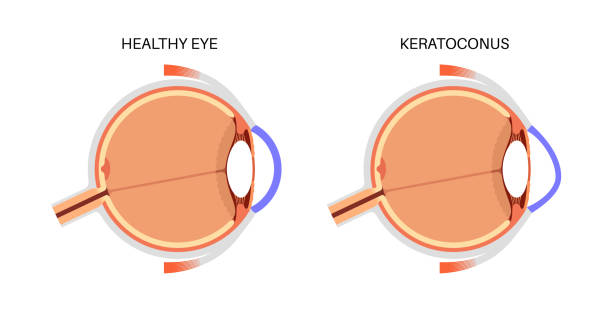
Keratoconus is a progressive condition where the cornea thins and bulges into a cone shape. It usually manifests in adolescence or early adulthood but requires careful assessment to tailor suitable treatment solutions.
- Main symptoms encompass distorted vision, increased sensitivity to light, or frequent changes in eyewear prescriptions as it progresses asymptomatically initially.
- A detailed ocular examination including corneal topography provides critical information about corneal shape changes during diagnosis stages.
- Mild cases might be managed with glasses or contact lenses; more advanced cases could require corneal cross-linking or surgery as viable treatment paths.
DIABETIC RETINOPATHY SCREENING
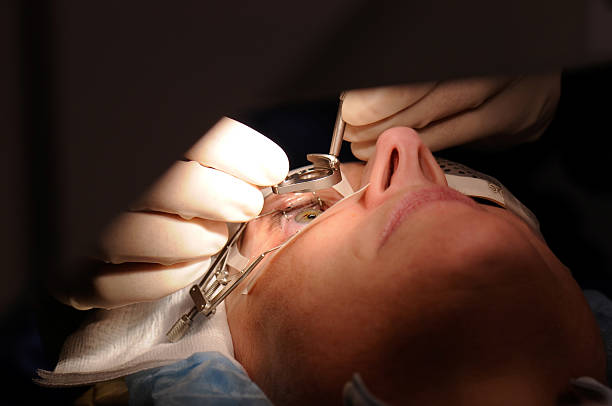
Diabetic retinopathy is a complication of diabetes that affects the blood vessels in the retina. Regular screening is imperative as this condition often has no symptoms until it's too late for effective treatment.
- The initial symptoms may include blurred vision or difficulty focusing; advanced cases may lead to severe sight impairment or blindness.
- A dilated eye exam allows for detailed inspection of retinal health and early sign identification during screenings.
- Treatment approaches rely on controlling blood sugar levels while laser treatments or injections may be used for managing existing retinopathy signs.
- Persistent monitoring can help slow disease progression and prevent further complications associated with diabetes-related ocular health issues.
Effective management hinges on integrating regular screenings into one’s routine medical care alongside diabetes control efforts.
RETINAL DETACHMENT EVALUATION
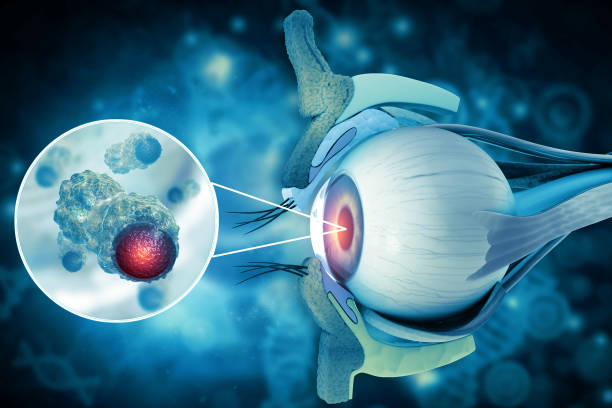
Retinal detachment occurs when the retina separates from its underlying supportive tissue, which can lead to permanent vision loss if not treated promptly. Understanding this condition is essential for preserving eyesight.
- The primary symptoms include sudden flashes of light, floaters in the field of vision, or a shadow appearing across one's visual field.
- A thorough examination with dilated pupils is used for diagnosis alongside imaging tests like B-scan ultrasound when necessary.
- Treatment options vary from laser therapy to surgical procedures depending on the severity of the detachment.
- If left untreated, retinal detachment may result in severe complications including total vision loss.
An early consultation with an ophthalmologist is crucial should any symptoms arise to ensure quick intervention and better outcomes.
GLAUCOMA MANAGEMENT
Glaucoma is a leading cause of irreversible blindness worldwide, characterized by increased intraocular pressure that can damage the optic nerve. Early detection is crucial for effective management and preservation of sight.
- Common symptoms might not be evident until advanced stages; however, some people may experience peripheral vision loss.
- A comprehensive eye exam including tonometry and visual field testing are essential for diagnosis.
- Treatment often includes prescription eye drops to lower pressure or surgical options if necessary to maintain eye health.
- Regular follow-ups are vital to monitor the condition and adjust treatment plans as needed.
Successful management of glaucoma can help maintain vision over time when monitored closely with appropriate interventions.
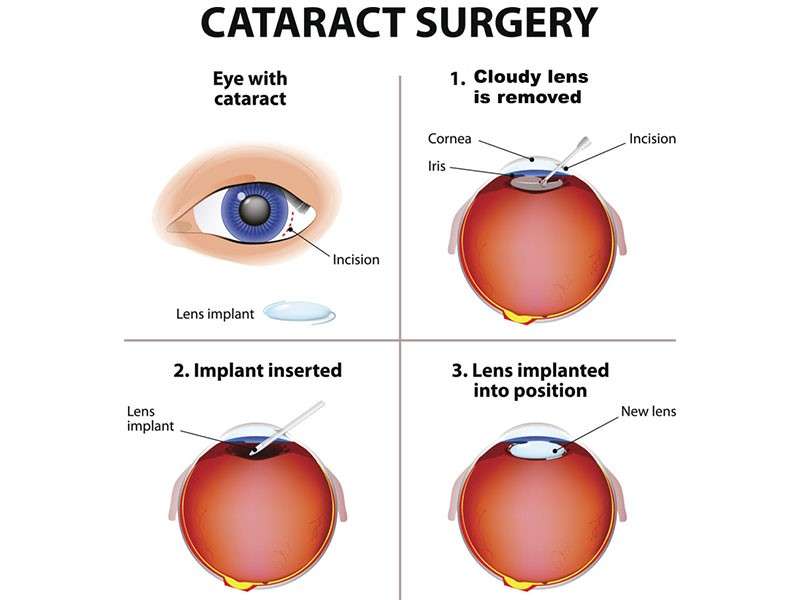
CATARACT SURGERY
Cataract surgery is a common procedure aimed at restoring clear vision. It involves removing the cloudy lens of the eye and replacing it with an artificial lens. This condition often develops slowly and may go unnoticed until significant vision impairment occurs.
- Symptoms include blurry or cloudy vision, difficulty seeing at night, and sensitivity to light.
- The diagnosis typically involves a comprehensive eye examination, which may include visual acuity tests, dilated eye exams, and imaging techniques.
- Treatment options primarily focus on surgical intervention; however, lifestyle changes and vision aids can assist in managing symptoms prior to surgery.
- Post-surgery, patients can expect improved clarity of vision with minimal downtime for recovery.
This procedure has a high success rate and can significantly enhance quality of life for those affected by cataracts.