
Dr J M Mehta
About Me
Dr J M Mehta
MBBS
General Physician
Biography
My Clinic
OPD Hours
| Monday | Morning | 10:00 AM | - | 02:00 PM |
| Evening | 06:00 PM | - | 09:00 PM | |
| Tuesday | Morning | 10:00 AM | - | 02:00 PM |
| Evening | 06:00 PM | - | 09:00 PM | |
| Wednesday | Morning | 10:00 AM | - | 02:00 PM |
| Evening | 06:00 PM | - | 09:00 PM | |
| Thursday | Morning | 10:00 AM | - | 02:00 PM |
| Evening | 06:00 PM | - | 09:00 PM | |
| Friday | Morning | 10:00 AM | - | 02:00 PM |
| Evening | 06:00 PM | - | 09:00 PM | |
| Saturday | Morning | 10:00 AM | - | 02:00 PM |
| Evening | 06:00 PM | - | 09:00 PM | |
| Sunday | Morning | 10:00 AM | - | 02:00 PM |
| Evening | 06:00 PM | - | 09:00 PM |
Treatments
Specialised care and treatments offered
GASTROESOPHAGEAL REFLUX DISEASE (GERD)
This chronic digestive disorder occurs when stomach acid frequently flows back into the esophagus causing irritation. Understanding GERD’s underlying mechanisms fosters effective management strategies aimed at symptom relief
//THYROID DISORDERS

The thyroid gland plays an integral role in regulating metabolism by producing hormones that affect various bodily functions. Thyroid disorders can disrupt these functions leading to significant health consequences if not properly managed
/CHOLESTEROL CONTROL

Certain levels of cholesterol in the body are essential for good health; however, high cholesterol can increase the risk of heart disease. Understanding its impact on cardiovascular wellness is crucial for proactive health management.
- Causes: High cholesterol can result from dietary habits rich in saturated fats and trans fats; genetics also plays a significant role in how your body processes fat.
- Symptoms: Often asymptomatic until complications arise; cardiovascular issues might signal high cholesterol levels leading to more serious events like heart attacks or strokes.
- Diagnosis methods: A simple blood test known as a lipid panel measures total cholesterol levels alongside specific breakdowns (LDL & HDL).
- Treatment options: Lifestyle modifications such as improved nutrition & increased physical activity often accompany medications like statins when lifestyle changes aren’t sufficient alone in lowering cholesterol levels effectively. Regular monitoring ensures cardiovascular health safety
A proactive approach can significantly reduce risks associated with high cholesterol while promoting overall heart health through education about dietary choices & activity levels tailored specifically towards individual needs!
ASTHMA CARE
Asthma is a chronic lung condition characterized by airway inflammation and constriction. Effective asthma management is vital for minimizing symptoms and preventing attacks.
- Symptoms: Asthma symptoms manifest as wheezing, coughing (especially at night), shortness of breath, or chest tightness during physical activities or exposure to allergens.
- Causes: Various triggers include tobacco smoke, dust mites, mold spores, pollen from trees/grass/weeds, pet dander, air pollution, and respiratory infections.
- Diagnosis: Physicians typically perform breathing tests (spirometry) along with assessing medical history for accurate diagnosis. Allergy testing may also be conducted if allergies are suspected as triggers.
- Treatment avenues: Asthma management might involve inhaled corticosteroids for long-term control along with bronchodilators for quick relief during an asthma attack. Avoiding known triggers is equally important in managing this condition.
An individualized asthma action plan helps ensure optimal control of the condition while enabling patients to maintain an active lifestyle.
DIABETES MANAGEMENT

Diabetes is a chronic condition that affects how your body metabolizes sugar (glucose). Understanding diabetes is key to managing it effectively and living well.
- Symptoms: Frequent urination, excessive thirst, increased hunger, fatigue, and blurred vision are common signs that may indicate diabetes.
- Causes: Risk factors include obesity, inactivity, family history of diabetes, and age over 45.
- Diagnosis: Diagnosis typically involves blood tests measuring glucose levels. A fasting blood sugar test or HbA1c test provides information on average blood sugar over time.
- Treatment options: Management includes lifestyle changes such as maintaining a balanced diet and regular physical activity. Medication or insulin therapy might also be recommended based on the type of diabetes.
A comprehensive overview of diabetes can empower patients to take control of their conditions through informed choices and self-management strategies.
HYPERTENSION MANAGEMENT

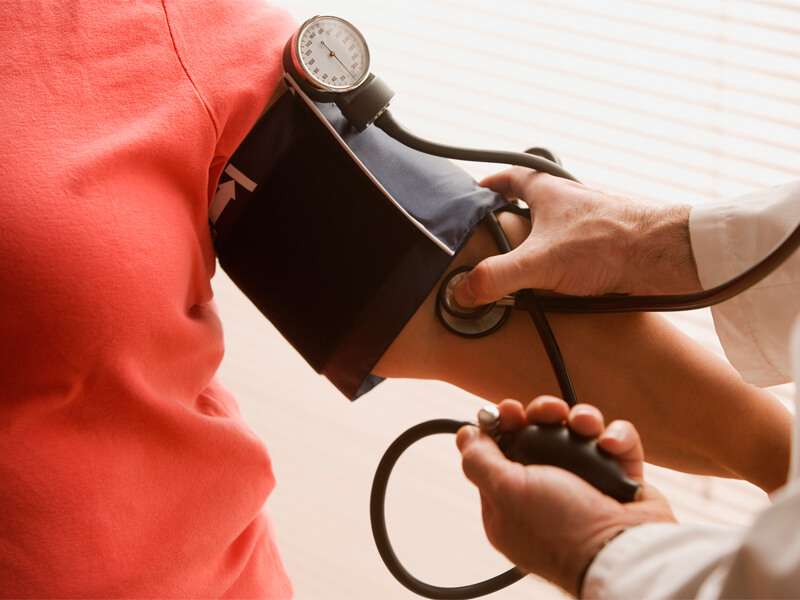
Hypertension, or high blood pressure, is a common condition that can lead to serious health issues if untreated. It often has no symptoms, which is why regular monitoring is crucial.
- Symptoms: Many individuals experience no noticeable symptoms; however, severe hypertension may cause headaches, shortness of breath, or nosebleeds.
- Causes: Factors include genetic predisposition, poor diet, lack of exercise, obesity, and high sodium intake.
- Diagnosis: Blood pressure measurements are taken at multiple visits; additional tests like blood tests and ECGs may be performed to assess overall heart health.
- Treatment: Options include lifestyle modifications such as diet changes and exercise; medications may also be prescribed to help manage blood pressure levels effectively.
- Monitoring: Regular check-ups are essential to evaluate treatment efficacy and make necessary adjustments.
With proper management, individuals with hypertension can lead healthy lives and reduce their risk of future complications.