
Dr J P Jadwani
About Me
Dr J P Jadwani
Cardiologist
Biography
My Clinic
OPD Hours
| Tuesday | Morning | 10:00 AM | - | 02:00 PM |
| Evening | 06:00 PM | - | 09:00 PM | |
| Wednesday | Morning | 10:00 AM | - | 02:00 PM |
| Evening | 06:00 PM | - | 09:00 PM | |
| Thursday | Morning | 10:00 AM | - | 02:00 PM |
| Evening | 06:00 PM | - | 09:00 PM | |
| Friday | Morning | 10:00 AM | - | 02:00 PM |
| Evening | 06:00 PM | - | 09:00 PM | |
| Saturday | Morning | 10:00 AM | - | 02:00 PM |
| Evening | 06:00 PM | - | 09:00 PM | |
| Sunday | Morning | 10:00 AM | - | 02:00 PM |
| Evening | 06:00 PM | - | 09:00 PM | |
| Thursday | Morning | 10:00 AM | - | 02:00 PM |
| Evening | 06:00 PM | - | 09:00 PM |
Treatments
Specialised care and treatments offered
CARDIAC REHABILITATION

Cardiac rehabilitation is a medically supervised program aimed at improving cardiovascular health after events such as heart attacks or surgeries. It combines physical activity with education about lifestyle changes essential for better heart health
.- Symptoms addressed include fatigue from previous cardiac events affecting everyday function
- Programs typically consist of monitored exercise sessions tailored according individual capabilities paired educational components focused on nutrition stress management.
- Assessments involve regular checks on vital signs changes throughout rehabilitation duration ensuring progress made safety guidelines adhered.
- Long-term benefits include enhanced endurance improved psychological well-being reduced risk factors recurrence incidents related cardiovascular diseases.
Engaging in proper rehabilitation facilitates smoother transitions back engaging life routines helps reduce potential complications moving forward confidently toward healthier lifestyles
ELECTROPHYSIOLOGY STUDY
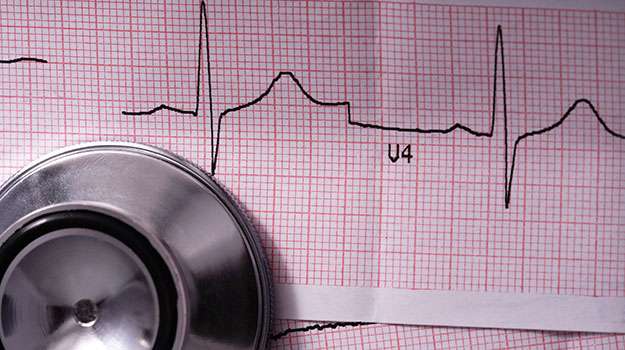
An electrophysiology study (EPS) examines the electrical system of your heart. It's used primarily to diagnose arrhythmias or abnormal heart rhythms that might lead to serious complications if left untreated.
- Patients may experience symptoms like fainting spells or palpitations that prompt this detailed assessment of electrical pathways in the heart muscle.
- The study involves inserting catheters via veins leading up to the heart while monitoring electrical signals during various activities mimicking stress on the heart muscle during testing phase.
PERCUTANEOUS CORONARY INTERVENTION (PCI)
Percutaneous coronary intervention (PCI) is a catheter-based procedure aimed at treating narrowed coronary arteries. By inserting a thin tube through the skin into an artery, physicians can access blocked areas directly without major surgery.
- This technique addresses symptoms like severe chest pain due to decreased blood flow caused by plaque buildup in arteries.
- The diagnosis process usually involves several tests including stress tests, imaging studies, or prior angiography findings indicating blockage locations.
- Treatment typically includes balloon dilation of the blockage followed by stent placement to maintain artery patency over time.
- You should expect shorter hospital stays compared to traditional surgical approaches, with many patients resuming normal activities within days post-procedure.
This innovative approach enhances recovery rates while effectively managing coronary artery disease challenges for patients across all ages.
TRANSESOPHAGEAL ECHOCARDIOGRAM (TEE)
A transesophageal echocardiogram (TEE) provides detailed images of your heart using sound waves transmitted through a probe inserted in your esophagus. This method offers clearer pictures than standard echocardiograms, making it easier to identify certain heart conditions.
- This test is particularly useful for assessing valvular heart diseases, detecting blood clots in the heart, and evaluating congenital defects.
- Your doctor may recommend TEE if you have unclear results from other tests or specific symptoms like stroke without obvious causes.
- The procedure usually lasts around 30-60 minutes under light sedation for comfort during imaging.
- You might experience some throat discomfort post-procedure, but most patients recover swiftly without complications.
This advanced diagnostic tool aids in thorough evaluation and management of complex cardiac issues effectively.
HOLTER MONITOR
A Holter monitor is a portable device that continuously records your heart's rhythms for 24 hours or more. It's an essential tool for diagnosing various cardiac conditions that may not be detected during a standard ECG.
- Common symptoms prompting this test include irregular heartbeats, dizziness, and unexplained fainting spells.
- The device is lightweight and easy to wear while performing daily activities, allowing comprehensive monitoring.
- The results help in diagnosing conditions like arrhythmias, which can signify underlying heart issues.
- Once the recording period is complete, your cardiologist will analyze the data and recommend appropriate treatment strategies if necessary.
This non-invasive test provides valuable insights into your heart health without significant disruption to your daily life.
CORONARY ANGIOPLASTY
Coronary angioplasty is a minimally invasive procedure designed to open blocked coronary arteries. This treatment aims to restore blood flow to the heart muscle, alleviating symptoms such as chest pain and shortness of breath.
- Symptoms may include angina (chest pain), fatigue, and heart palpitations caused by reduced blood flow.
- Diagnosis often involves tests such as electrocardiograms (ECG), stress testing, and angiography to visualize the blockages.
- Treatment options include angioplasty itself, often accompanied by the placement of a stent to keep the artery open.
- You can expect a minimally invasive procedure with quicker recovery times compared to open-heart surgery.
This procedure can significantly improve quality of life for those with coronary artery disease.