
Dr Jacob Thomas
About Me
Dr Jacob Thomas
Cardiologist
Biography
My Clinic
OPD Hours
| Tuesday | Morning | 10:00 AM | - | 02:00 PM |
| Evening | 06:00 PM | - | 09:00 PM | |
| Wednesday | Morning | 10:00 AM | - | 02:00 PM |
| Evening | 06:00 PM | - | 09:00 PM | |
| Thursday | Morning | 10:00 AM | - | 02:00 PM |
| Evening | 06:00 PM | - | 09:00 PM | |
| Friday | Morning | 10:00 AM | - | 02:00 PM |
| Evening | 06:00 PM | - | 09:00 PM | |
| Saturday | Morning | 10:00 AM | - | 02:00 PM |
| Evening | 06:00 PM | - | 09:00 PM | |
| Sunday | Morning | 10:00 AM | - | 02:00 PM |
| Evening | 06:00 PM | - | 09:00 PM | |
| Thursday | Morning | 10:00 AM | - | 02:00 PM |
| Evening | 06:00 PM | - | 09:00 PM |
Treatments
Specialised care and treatments offered
PERIPHERAL ARTERY DISEASE

This circulatory condition involves narrowed arteries reducing blood flow to limbs, primarily affecting legs. Peripheral artery disease (PAD) is commonly associated with plaque buildup within arterial walls leading towards significant complications like limb ischemia if unattended .
- Symptoms typically manifest as leg cramps during physical activities; numbness could also occur after prolonged rest periods .
- Diagnosis often relies on Doppler ultrasound exams assessing blood circulation alongside comprehensive patient evaluations .
- Management strategies include lifestyle alterations focusing on physical activity improvements along with appropriate medication prescriptions aimed at improving vascular health overall .
- In some advanced cases , surgical options such as bypass surgery might be considered depending on severity levels addressing underlying causes directly guiding interventions progressively .
Recognizing these warning signals facilitates timely treatment leading ultimately toward improved mobility enhancing overall well-being across populations affected specifically by PAD .
VALVULAR HEART DISEASE
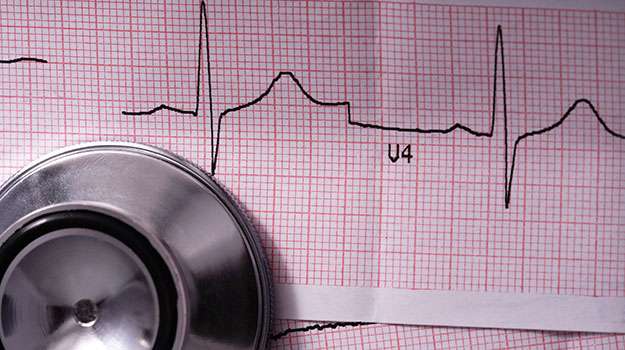
This condition arises when one or more of the heart's valves do not open or close properly, affecting normal blood flow through the heart. Valvular heart disease can lead to significant complications if left untreated over time.
- Common symptoms, depending on severity, might include fatigue, palpitations, and swelling in extremities due to fluid buildup.
- A thorough examination including echocardiography aids in accurate diagnosis following initial physical assessments.
- Treatment options vary; mild cases might require regular monitoring, while severe cases may necessitate surgical valve repair or replacement procedures.
- Lifestyle adjustments play an important role in managing this condition effectively over time .
- Regular follow-up appointments remain critical for tracking disease progression .
Early detection enhances management strategies that significantly help improve quality of life for individuals living with valvular heart disease .
ACUTE CORONARY SYNDROME
Acute coronary syndrome (ACS) encompasses a range of conditions associated with sudden reduced blood flow to the heart. ACS is often due to plaque rupture in coronary arteries and represents a critical emergency requiring quick intervention.
- Common symptoms are severe chest pain radiating to arms or jaw and considerable shortness of breath.
- An electrocardiogram (ECG) and cardiac enzyme tests are standard diagnostic tools utilized during assessment.
- Treatment may involve immediate administration of antiplatelet agents or anticoagulants; in some cases, surgical intervention may be required urgently.
- The focus lies on restoring blood flow as promptly as possible to mitigate damage to the heart muscle due to ischemia.
Your understanding of ACS symptoms empowers quicker response times in emergencies, ensuring timely care can be initiated when needed most!
CONGESTIVE HEART FAILURE
Congestive heart failure (CHF) occurs when the heart is unable to pump sufficiently to maintain blood flow to meet the body's needs. This chronic condition can lead to fluid build-up in various parts of the body and requires careful management.
- Main symptoms include shortness of breath, swelling in legs/ankles, fatigue, and rapid heartbeat.
- Diagnosis often includes imaging tests like echocardiograms alongside lab tests for biomarkers like BNP.
- Treatment typically incorporates diuretics for fluid removal and medications like ACE inhibitors to improve heart function.
- Lifestyle adjustments are essential—such as sodium intake reduction—and regular monitoring may be necessary for managing CHF effectively.
A proactive approach towards managing this condition can enhance quality of life significantly for those affected by CHF.
ATRIAL FIBRILLATION
Atrial fibrillation (AFib) is a common heart rhythm disorder characterized by rapid and irregular beating of the atria. AFib can increase the risk of stroke and other heart-related complications if not managed appropriately.
- Typical symptoms include palpitations, fatigue, dizziness, and sometimes chest discomfort.
- Diagnosis is made through an ECG along with patient history assessment.
- Treatment often involves rate control medications or anticoagulants to reduce stroke risk.
- Long-term management may include catheter ablation for certain patients with persistent symptoms.
- The condition can often be controlled effectively with the right treatment plan.
If you experience any symptoms suggestive of AFib, early consultation can help mitigate risks associated with this arrhythmia.
MYOCARDIAL INFARCTION
A myocardial infarction, commonly known as a heart attack, occurs when blood flow to a part of the heart is blocked for a long enough time that part of the heart muscle is damaged or dies. This condition is a medical emergency and requires immediate attention.
- Symptoms may include chest pain, shortness of breath, and nausea.
- The diagnosis typically involves an ECG and blood tests to check for cardiac enzymes.
- Treatment options include medications such as aspirin or thrombolytics and possibly surgical procedures like angioplasty.
- Management includes lifestyle modifications such as diet changes and exercise.
- It’s crucial to recognize symptoms early to prevent significant heart damage.
Seeking prompt medical care can significantly improve outcomes in cases of myocardial infarction.