
Dr Jagannath Bhut
About Me
Dr Jagannath Bhut
MBBS
General Physician
10 Years Experience
Biography
My Clinic
OPD Hours
| Monday | Morning | 10:00 AM | - | 02:00 PM |
| Evening | 06:00 PM | - | 09:00 PM | |
| Tuesday | Morning | 10:00 AM | - | 02:00 PM |
| Evening | 06:00 PM | - | 09:00 PM | |
| Wednesday | Morning | 10:00 AM | - | 02:00 PM |
| Evening | 06:00 PM | - | 09:00 PM | |
| Thursday | Morning | 10:00 AM | - | 02:00 PM |
| Evening | 06:00 PM | - | 09:00 PM | |
| Friday | Morning | 10:00 AM | - | 02:00 PM |
| Evening | 06:00 PM | - | 09:00 PM | |
| Saturday | Morning | 10:00 AM | - | 02:00 PM |
| Evening | 06:00 PM | - | 09:00 PM | |
| Sunday | Morning | 10:00 AM | - | 02:00 PM |
| Evening | 06:00 PM | - | 09:00 PM |
Treatments
Specialised care and treatments offered
COLD & FLU MANAGEMENT
Catching a cold or flu is common but managing symptoms effectively enhances comfort during illness. Understanding both conditions aids in distinguishing their impact on health!
- Both typically present with symptoms such as coughs, sore throats, congestion along with fever accompanying flu more seriously compared to a cold!
- A physician diagnoses these based primarily on symptomatology; sometimes rapid flu tests confirm viral presence!
- Treatment mainly focuses on alleviating uncomfortable symptoms through rest hydration along with OTC meds like ibuprofen/sinus decongestants available easily!
- Many people recover within one week though getting sufficient sleep boosts recovery significantly!
Proactive self-care minimizes duration discomfort related colds & flus enhancing overall well-being!
THYROID DISORDERS

Thyroid disorders involve abnormalities in hormone production from the thyroid gland. These conditions can influence various bodily functions due to hormonal imbalances affecting metabolism among other things.
- Common symptoms include weight fluctuations, fatigue, mood swings, or sensitivity to temperature changes depending on whether you have hyperthyroidism or hypothyroidism.
- A doctor typically performs blood tests measuring TSH (Thyroid Stimulating Hormone) levels for diagnosis purposes alongside thyroid hormone assessments!
- Treatment varies; some may require hormone replacement therapy while others might benefit from medication aimed at reducing excessive hormone production or even surgery in certain cases!
Catching thyroid issues early on allows effective treatment options that help restore balance in your body’s functions!
ASTHMA CONTROL
Asthma is a chronic lung disease that inflames and narrows the airways. Understanding asthma is key for effective control and maintaining quality of life with minimal symptoms.
- The condition manifests through wheezing, coughing, chest tightness, and difficulty breathing during episodes triggered by allergens or stressors.
- A spirometry test often helps diagnose asthma by measuring how much air you can exhale after taking a deep breath.
- Treatment focuses on using inhalers—both rescue inhalers for immediate relief and long-term control medications—to manage symptoms effectively.
- A personalized action plan assists patients in recognizing triggers and knowing how to respond during an asthma attack.
By working closely with healthcare providers, many individuals achieve excellent control over their asthma symptoms over time.
CHOLESTEROL MANAGEMENT
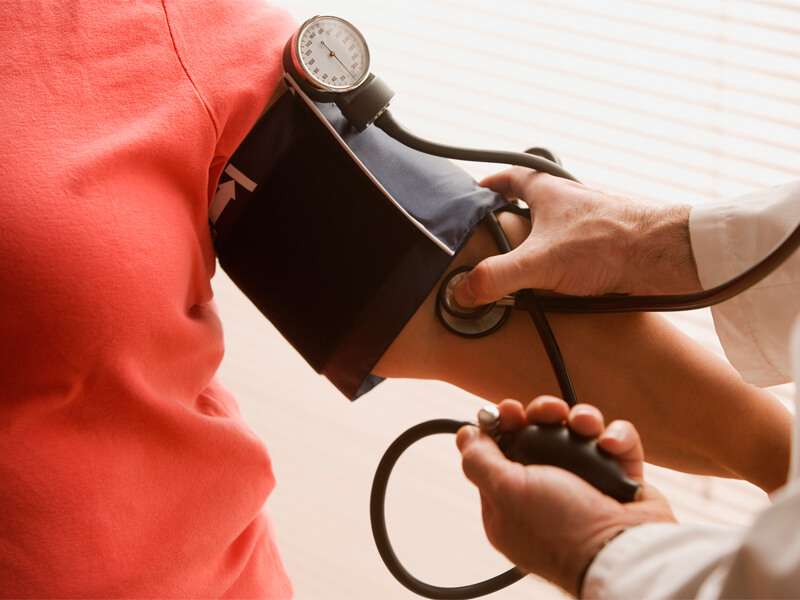
Understanding cholesterol levels is vital for heart health. High cholesterol often has no obvious symptoms but can significantly increase the risk of cardiovascular diseases over time.
- Main symptoms are rarely present; however, hypertension or chest pain might indicate underlying issues related to high cholesterol levels.
- A lipid panel test measures cholesterol types (LDL and HDL) as part of the diagnosis process.
- Treatment strategies focus on dietary changes—reducing saturated fats—and may include statins prescribed by healthcare professionals for better management.
- Regular testing helps track progress and adapt treatment plans accordingly for optimal heart health maintenance.
With consistent monitoring and adherence to treatment plans, managing cholesterol effectively becomes achievable.
DIABETES MANAGEMENT

Managing diabetes effectively is essential for maintaining overall health. This chronic condition affects how your body processes glucose, which can lead to serious complications if not controlled.
- The symptoms often include frequent urination, increased thirst, fatigue, and blurred vision.
- This condition is diagnosed through fasting blood sugar tests or A1C testing that measures average blood sugar over time.
- Treatment includes dietary modifications, physical activity, monitoring blood sugar levels regularly, and potentially insulin therapy or oral medications.
- Ongoing education about balancing food intake with medication helps in managing the disease more effectively.
With proper care and attention, individuals can enjoy a good quality of life while living with diabetes.
HYPERTENSION

Hypertension, or high blood pressure, is a condition where the force of the blood against artery walls is consistently too high. It can lead to serious health problems if not managed effectively.
- Symptoms may include headaches, shortness of breath, and nosebleeds, although many individuals experience none at all.
- Diagnosis typically involves regular monitoring of blood pressure readings over time and may include lab tests to determine underlying causes.
- Management options often include lifestyle changes such as a balanced diet, regular exercise, and medications like ACE inhibitors or beta-blockers.
- Regular follow-up with your healthcare provider is crucial to monitor blood pressure levels and adjust treatment as needed.
Proper management can significantly lower risks for heart disease and stroke, allowing individuals to lead healthier lives.