
Dr Jagdish Chandr
About Me
Dr Jagdish Chandr
MD
Dermatologist
Biography
My Clinic
OPD Hours
| Monday | Morning | 10:00 AM | - | 02:00 PM |
| Evening | 06:00 PM | - | 09:00 PM | |
| Tuesday | Morning | 10:00 AM | - | 02:00 PM |
| Evening | 06:00 PM | - | 09:00 PM | |
| Wednesday | Morning | 10:00 AM | - | 02:00 PM |
| Evening | 06:00 PM | - | 09:00 PM | |
| Thursday | Morning | 10:00 AM | - | 02:00 PM |
| Evening | 06:00 PM | - | 09:00 PM | |
| Friday | Morning | 10:00 AM | - | 02:00 PM |
| Evening | 06:00 PM | - | 09:00 PM | |
| Saturday | Morning | 10:00 AM | - | 02:00 PM |
| Evening | 06:00 PM | - | 09:00 PM | |
| Sunday | Morning | 10:00 AM | - | 02:00 PM |
| Evening | 06:00 PM | - | 09:00 PM |
Treatments
Specialised care and treatments offered
WARTS
Warts are benign growths caused by human papillomavirus (HPV), appearing most frequently on hands and feet. They manifest as rough bumps but do not pose significant health risks aside from cosmetic concerns.
- The main symptoms, such as raised lumps with grainy textures typically found on fingers or soles of feet can lead to discomfort if located in friction-prone areas during daily activities.
- Diagnosis occurs via physical assessment based upon characteristic features without laboratory tests required .
- Treatment options encompass over-the-counter topical solutions , cryotherapy , laser therapy , among others based upon individual case considerations .
- Many warts tend to resolve spontaneously over time although procedural assistance accelerates removal considerably if warranted .
- Prevention includes avoiding direct contact with infected surfaces ensuring good hygiene practices especially during communal activities like swimming pools .
Seeking advice early improves outcomes both functionally concerning pain relief & emotionally regarding aesthetic dissatisfaction arising therefrom .
ROSACEA
This chronic facial disorder primarily causes redness and visible blood vessels; it's often mistaken for acne. While its exact cause remains unclear, several factors could contribute to its onset among susceptible individuals.
- Main symptoms include facial flushing, persistent redness across the nose/cheeks/forehead area along with small pus-filled bumps resembling acne lesions.
- The diagnosis generally relies upon examination since there are no specific tests available.
- Treatment strategies may involve lifestyle modifications along with topical agents targeting inflammation and oral antibiotics where necessary.
- Patients should avoid known triggers like hot drinks or spicy foods that notoriously exacerbate symptoms .
- Consistent management leads many individuals toward successful improvement over time .
Tackling rosacea promptly enhances comfort levels while promoting healthier-looking skin overall .
SKIN CANCER SCREENING
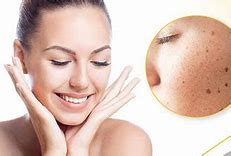
Regular screenings are vital for early detection of skin cancer including melanoma. Early intervention increases survival rates significantly. Understanding how to monitor your skin is important for everyone’s health.
- Look out for new moles or changes in existing ones; common signs include asymmetry or uneven borders of moles that itch or bleed.
- The diagnostic process involves visual inspections accompanied by dermatoscopy to provide further evaluation of suspicious areas.
- If necessary, a biopsy may be conducted to confirm cancerous cells within a lesion.
- Treatment options vary based on the type; local excision is often used alongside other therapies like chemotherapy or radiation in more advanced cases.
- Sustained vigilance post-treatment aids in monitoring recurrence signs effectively.
A proactive approach toward regular screenings helps ensure timely recognition of potential issues related to skin health.
ECZEMA
Eczema is a chronic inflammatory skin disorder characterized by itchy and inflamed patches. It's common in children but can affect adults as well. Understanding triggers is essential for effective management.
- Typical symptoms include dry skin, persistent itchiness, and red or brownish-gray patches on various body parts.
- The diagnosis usually involves a thorough medical history review along with clinical examination by a dermatologist.
- Treatment focuses on moisturizing creams, topical corticosteroids to reduce inflammation, and avoiding known irritants or allergens.
- Behavioral modifications such as wearing soft fabrics can also mitigate symptoms.
- Eczema management often requires patience as it tends to flare up periodically throughout life.
An individualized approach is crucial for controlling eczema effectively while minimizing discomfort for patients.
PSORIASIS
This chronic autoimmune condition leads to the rapid growth of skin cells resulting in scaling on the skin's surface. It typically presents as red patches covered with thick, silvery scales.
- Common symptoms include dry and cracked skin that may bleed, itching, and thickened nails.
- A diagnosis is often made through visual inspection; sometimes a biopsy may be performed for confirmation.
- Treatment options range from topical treatments to phototherapy and systemic medications depending on severity.
- Psycho-social support is beneficial as psoriasis can impact mental health due to its visibility.
- With appropriate management, many patients experience significant reductions in flare-ups.
A comprehensive treatment plan contributes to better quality of life for those affected by this condition.
ACNE
Acne is a common skin condition that affects individuals of all ages, particularly teenagers. It occurs when hair follicles become clogged with oil and dead skin cells, leading to pimples, cysts, and scars.
- Symptoms often include whiteheads, blackheads, and inflammatory lesions on the face, back, or shoulders.
- The condition can be diagnosed through a physical examination by a healthcare professional who evaluates your skin.
- Treatment options include topical medications like retinoids, oral antibiotics, and in severe cases, isotretinoin.
- Lifestyle changes such as a healthy diet and regular cleansing can help manage outbreaks.
- Patients should expect gradual improvement over time with consistent treatment.
Managing acne effectively can enhance self-esteem and reduce the likelihood of scarring.