
Dr Jagdish Prasad
About Me
Dr Jagdish Prasad
MBBS
General Physician
Biography
My Clinic
OPD Hours
| Monday | Morning | 10:00 AM | - | 02:00 PM |
| Evening | 06:00 PM | - | 09:00 PM | |
| Tuesday | Morning | 10:00 AM | - | 02:00 PM |
| Evening | 06:00 PM | - | 09:00 PM | |
| Wednesday | Morning | 10:00 AM | - | 02:00 PM |
| Evening | 06:00 PM | - | 09:00 PM | |
| Thursday | Morning | 10:00 AM | - | 02:00 PM |
| Evening | 06:00 PM | - | 09:00 PM | |
| Friday | Morning | 10:00 AM | - | 02:00 PM |
| Evening | 06:00 PM | - | 09:00 PM | |
| Saturday | Morning | 10:00 AM | - | 02:00 PM |
| Evening | 06:00 PM | - | 09:00 PM | |
| Sunday | Morning | 10:00 AM | - | 02:00 PM |
| Evening | 06:00 PM | - | 09:00 PM |
Treatments
Specialised care and treatments offered
ALLERGY TESTING
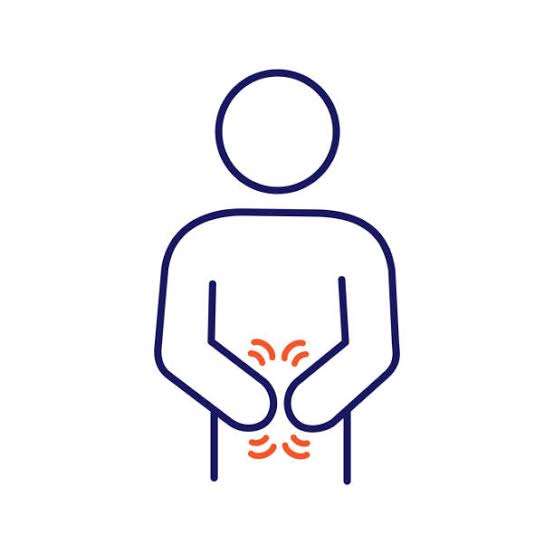
An allergy test helps determine what substances trigger allergic reactions within individuals. Gaining insight through testing permits informed decisions regarding avoidance strategies leading towards enhanced comfort & well-being again!
- ( [soydics]
GASTROESOPHAGEAL REFLUX DISEASE (GERD)

This digestive disorder occurs when stomach acid frequently flows back into the esophagus causing irritation. Understanding GERD will aid in managing its symptoms effectively.
- Main Symptoms: Heartburn and regurgitation are commonly reported symptoms but other manifestations may occur including chest pain and difficulty swallowing.
- Causes: Factors such as obesity,
hiatal hernia,
dieting patterns including spicy foods,
and smoking contribute significantly towards GERD development. - Diagnosis: Based on symptom history;
endoscopy might be performed for persistent cases requiring thorough examination. - Treatment: Lifestyle modifications alongside over-the-counter medications work well initially;
prescription drugs might apply later depending on severity. - What To Expect: With appropriate management strategies in place improvement tends towards both symptom relief along improved quality of life overall over time.
The condition tends manageable hence empowering individuals with actionable advice reduces their discomfort remarkably while restoring confidence in daily activities!
ANEMIA
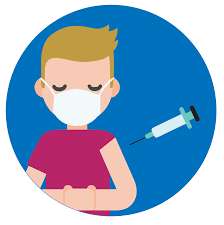
Anemia is a condition where you lack enough healthy red blood cells to carry adequate oxygen to your body's tissues. Recognizing this condition early leads to effective treatment options.
- Symptoms: Fatigue, weakness, pale skin should prompt evaluation; additional signs can include dizziness or irregular heartbeats during exertion.
- Causes: Causes range from iron deficiency due to poor diet or blood loss to chronic diseases impacting red blood cell production.
- Diagnosis: Blood tests assessing hemoglobin levels confirm anemia's presence; further tests identify underlying causes.
- Treatment: Iron supplements and dietary adjustments are popular initial approaches; severe cases might require transfusions or medication.
- What to Expect: Regular follow-up appointments ensure ongoing management of anemia along with monitoring responses to treatments.
Proactive engagement with your healthcare provider ensures that this condition becomes manageable while enhancing overall well-being.
COMMON COLD
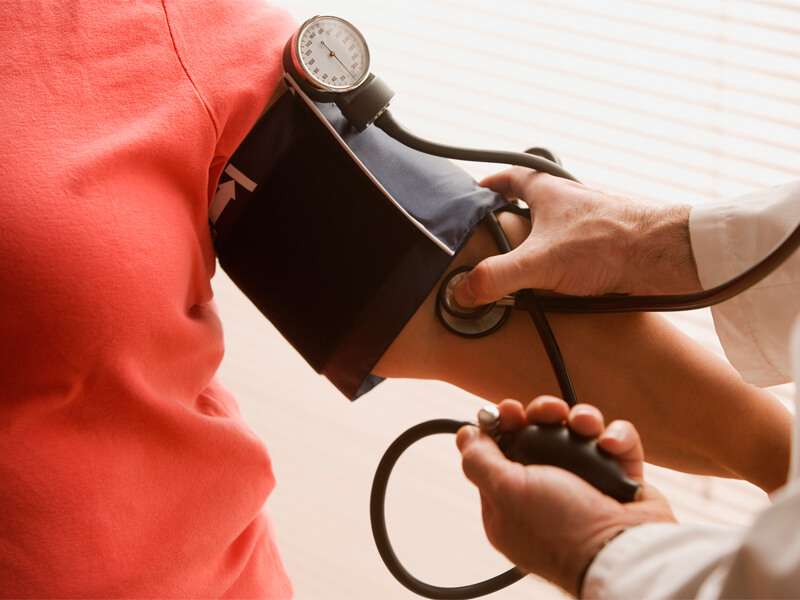
The common cold is a viral infection characterized by upper respiratory symptoms. While it usually resolves on its own, understanding the condition can help manage its effects more effectively.
- Symptoms: These typically include a runny nose, sore throat, cough, sneezing, and sometimes mild fever or body aches.
- Causes: Caused by various viruses; it spreads easily through infected droplets from sneezes or coughs.
- Diagnosis: Primarily based on symptom assessment; laboratory tests are rarely needed unless complications arise.
- Treatment: Focuses on relieving symptoms through rest, hydration, over-the-counter medications like decongestants or pain relievers.
- What to Expect: Symptoms usually improve within a week but can linger longer in some cases. It's important to monitor if conditions worsen.
Adequate self-care measures can alleviate discomfort associated with the common cold while allowing you to recover swiftly.
DIABETES MANAGEMENT

Diabetes is a chronic condition that affects how your body uses glucose (sugar). Effective management is key to living well with diabetes and avoiding complications.
- Symptoms: Increased thirst, frequent urination, extreme fatigue, blurred vision, and slow healing of wounds may indicate diabetes.
- Causes: Type 1 diabetes is often genetic; type 2 is linked to lifestyle factors such as obesity and inactivity.
- Diagnosis: Blood tests measuring glucose levels can confirm diabetes; regular monitoring is crucial for management.
- Treatment: May include insulin therapy for Type 1 or lifestyle modifications and oral medications for Type 2 patients.
- What to Expect: Ongoing education about managing blood sugar levels through lifestyle changes forms the foundation of effective treatment.
A proactive approach allows individuals with diabetes to lead healthy lives while minimizing risks associated with the disorder.
HYPERTENSION
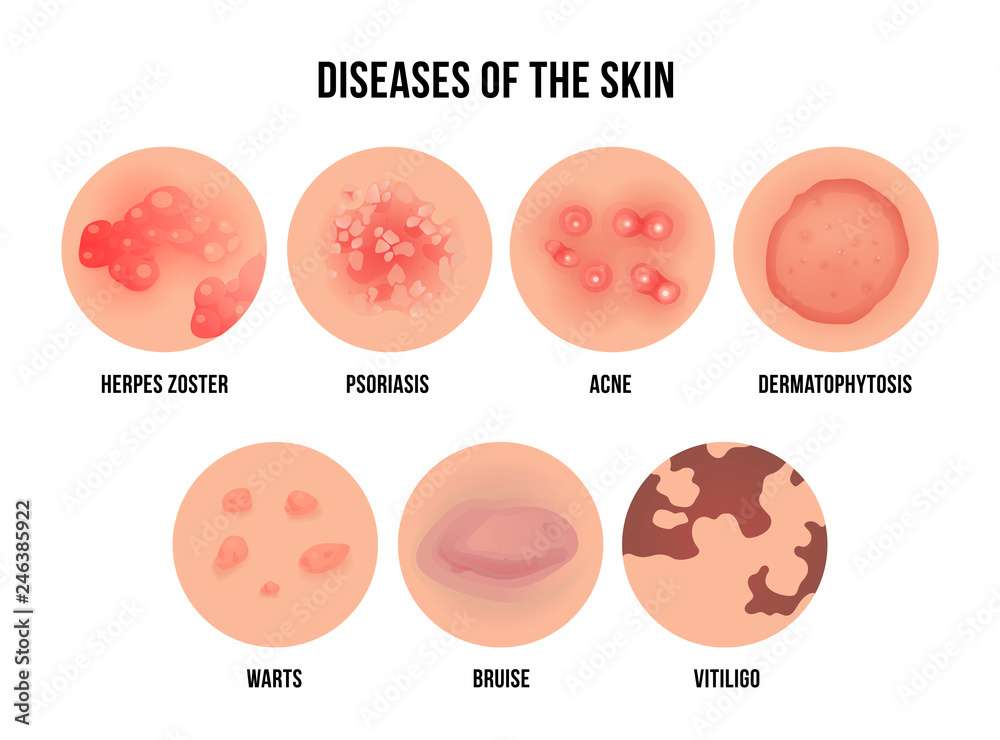
Hypertension, or high blood pressure, is a common condition that often has no symptoms but can lead to serious health problems over time. It is important to monitor your blood pressure regularly.
- Symptoms: Often asymptomatic; however, some may experience headaches, shortness of breath, or nosebleeds.
- Causes: Factors include excess weight, inactivity, poor diet high in salt, alcohol consumption, and family history.
- Diagnosis: Blood pressure readings are taken during check-ups; home monitoring can also help diagnose hypertension.
- Treatment: Lifestyle changes like diet and exercise are crucial; medications may be prescribed if necessary.
- What to Expect: Regular monitoring and follow-up with your healthcare provider are essential for managing this condition effectively.
Understanding hypertension plays a vital role in preventing complications such as heart disease and stroke. Take charge of your health by getting regular check-ups.