
Dr Jaideep Mankani
About Me
Dr Jaideep Mankani
Internal Medicine
Biography
My Clinic
OPD Hours
| Tuesday | Morning | 10:00 AM | - | 02:00 PM |
| Evening | 06:00 PM | - | 09:00 PM | |
| Wednesday | Morning | 10:00 AM | - | 02:00 PM |
| Evening | 06:00 PM | - | 09:00 PM | |
| Thursday | Morning | 10:00 AM | - | 02:00 PM |
| Evening | 06:00 PM | - | 09:00 PM | |
| Friday | Morning | 10:00 AM | - | 02:00 PM |
| Evening | 06:00 PM | - | 09:00 PM | |
| Saturday | Morning | 10:00 AM | - | 02:00 PM |
| Evening | 06:00 PM | - | 09:00 PM | |
| Sunday | Morning | 10:00 AM | - | 02:00 PM |
| Evening | 06:00 PM | - | 09:00 PM | |
| Thursday | Morning | 10:00 AM | - | 02:00 PM |
| Evening | 06:00 PM | - | 09:00 PM |
Treatments
Specialised care and treatments offered
ANEMIA
Anemia is a condition marked by insufficient healthy red blood cells to carry adequate oxygen throughout the body. Various forms exist based on underlying causes—iron deficiency being among the most prevalent globally!
- Causes: Chronic illnesses like kidney disease & nutritional deficiencies commonly provoke anemia—its onset also associates closely with certain hereditary conditions affecting hemoglobin formation!
- Symptoms: Your clinical picture may present fatigue alongside pallor reflecting decreased oxygen transport capabilities!
- Diagnostic measures: A complete blood count (CBC) evaluates overall health status revealing hemoglobin concentrations critical for precise assessment!
- Management options: Nutritional interventions involving iron-rich foods coupled perhaps supplementation yield fruitful results; treating any concurrent issues contributes positively hence collaborative care remains key here!
Anemia reaps significant benefits from early identification ensuring timely intervention supporting optimal well-being!
ACUTE KIDNEY INJURY
This sudden decline in kidney function can arise from various causes including dehydration, certain medications or underlying health conditions. Understanding AKI is critical as timely interventions can prevent long-term damage!
- Symptoms: Potential signs encompass reduced urine output coupled with swelling due to fluid retention in tissues.
- Diagnosis: Physicians often conduct blood tests evaluating creatinine levels alongside urine tests revealing kidney performance indicators.
- Treatment pathways: Strategies revolve around addressing root causes—hydration restoration might be crucial while severe cases could necessitate dialysis intermittently!
- Monitoring: The importance lies on continuous observation following recovery ensuring your kidneys regain optimal functioning post-incident!
The collaborative effort between patient adherence towards suggested guidelines & physician expertise leads towards favorable outcomes!
CHRONIC OBSTRUCTIVE PULMONARY DISEASE (COPD)
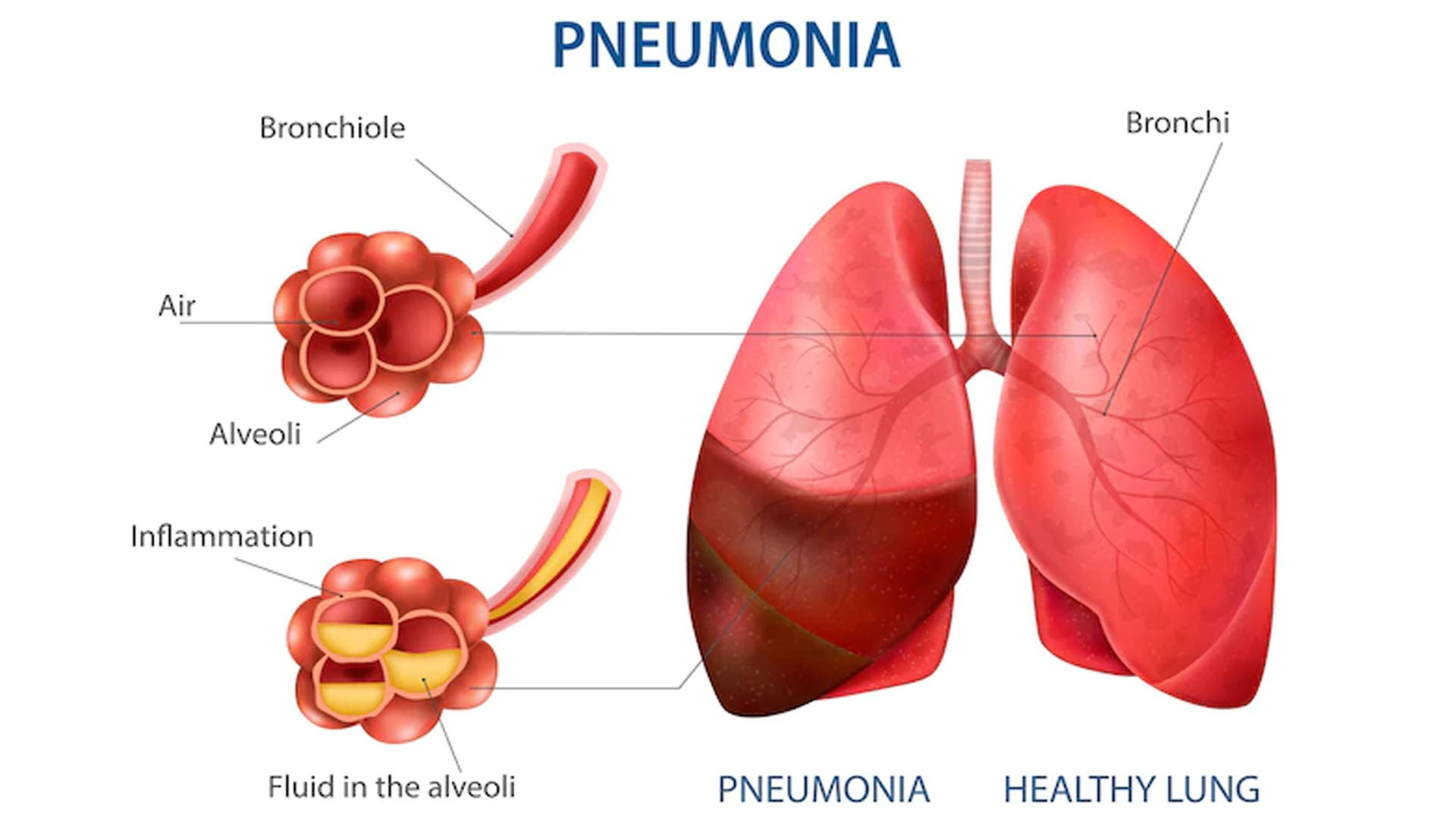
COPD is an umbrella term describing progressive lung diseases that obstruct airflow. This respiratory condition makes breathing difficult and is primarily caused by long-term exposure to harmful particles like tobacco smoke.
- Main symptoms: Common symptoms include chronic cough, wheezing, shortness of breath, especially during physical exertion.
- Causative factors: Apart from smoking, environmental pollutants can also contribute significantly to developing COPD over time.
- Diagnostic methods: Lung function tests known as spirometry are crucial for confirming COPD diagnosis along with imaging studies like chest X-rays or CT scans.
HYPERLIPIDEMIA
This condition involves elevated levels of lipids in the bloodstream, notably cholesterol and triglycerides. Over time, hyperlipidemia can lead to serious cardiovascular diseases if not adequately managed.
- Causal factors: It can result from genetic conditions or lifestyle choices including poor diet and lack of exercise.
- Symptoms: Generally asymptomatic; however, severely raised lipid levels might contribute to fatty deposits under the skin or around organs.
- Assessment methods: Diagnosis typically involves a lipid panel test measuring various lipid levels in your blood.
- Treatment options: Lifestyle changes such as increased physical activity and dietary modifications are encouraged; medications like statins may also be prescribed where necessary.
An informed approach to managing hyperlipidemia can greatly enhance heart health and overall well-being.
DIABETES MELLITUS
Diabetes Mellitus is a chronic metabolic disorder characterized by elevated blood glucose levels. There are different types of diabetes, primarily Type 1 and Type 2, each requiring tailored management strategies.
- Causes: Risk factors include obesity, sedentary lifestyle, and genetic predisposition.
- Diagnosis: Blood tests such as fasting glucose and HbA1c are often used to confirm the presence of diabetes.
- Treatment approaches: Management may involve dietary adjustments, regular exercise, insulin therapy for Type 1 patients, or oral medications for Type 2 diabetes.
- Lifestyle impact: Monitoring blood sugar levels regularly helps in effective disease management and reducing complications over time.
A comprehensive care plan significantly improves quality of life and reduces risk factors associated with this condition.
HYPERTENSION
Hypertension, or high blood pressure, is a common condition that can have serious health implications if left untreated. It often presents with no symptoms, making regular monitoring vital for early detection.
- Symptoms: Many individuals experience no warning signs; however, severe cases may cause headaches or nosebleeds.
- Diagnosis: Blood pressure readings taken at a healthcare facility and home monitoring are essential for accurate diagnosis.
- Treatment options: Management may include lifestyle changes such as a balanced diet and increased physical activity, alongside medication when necessary.
- Long-term management: Regular follow-up appointments help manage the condition effectively and adjust medications as needed.
Early intervention is key to preventing complications such as heart disease or stroke, so keeping track of your blood pressure is crucial.