
Dr Jain
About Me
Dr Jain
Anesthesiologist
Biography
My Clinic
OPD Hours
| Tuesday | Morning | 10:00 AM | - | 02:00 PM |
| Evening | 06:00 PM | - | 09:00 PM | |
| Wednesday | Morning | 10:00 AM | - | 02:00 PM |
| Evening | 06:00 PM | - | 09:00 PM | |
| Thursday | Morning | 10:00 AM | - | 02:00 PM |
| Evening | 06:00 PM | - | 09:00 PM | |
| Friday | Morning | 10:00 AM | - | 02:00 PM |
| Evening | 06:00 PM | - | 09:00 PM | |
| Saturday | Morning | 10:00 AM | - | 02:00 PM |
| Evening | 06:00 PM | - | 09:00 PM | |
| Sunday | Morning | 10:00 AM | - | 02:00 PM |
| Evening | 06:00 PM | - | 09:00 PM | |
| Thursday | Morning | 10:00 AM | - | 02:00 PM |
| Evening | 06:00 PM | - | 09:00 PM |
Treatments
Specialised care and treatments offered
INTRAVENOUS (IV) SEDATION
This method uses sedative medications delivered directly into a vein via IV line designed specifically. Its primary role focuses on alleviating stress levels related primarily towards less-invasive interventions enabling higher comfort rates amongst patients undergoing these processes .
- Symptoms And Causes : Both anxious individuals facing dental surgery along with those requiring biopsies benefit greatly from such solutions minimizing discomfort felt previously experienced especially due physiological responses triggered by fear /anxiety surrounding treatment scenarios .
- Diagnosis : Assessment engages doctors evaluating health conditions existing contributing toward severity felt prior implementing IV options according general scenes encountered within clinical settings predominantly associated through intricate mental blocks impeding ability push ahead regarding appointments scheduled otherwise never rescheduled due high apprehension levels .
- Treatment Options : Administration occurs shortly before starting any planned activity leading ensured tranquility desired until complete finished comforting arrive completely unphased w/recovery process initiated accordingly thereafter per expected patterns outlined typcially among standards established ruling this field .
- < strong What To Expect :
GENERAL ANESTHESIA

A state of controlled unconsciousness called general anesthesia is crucial during major surgeries where complete insensitivity to pain is required. This method allows surgeons to perform extensive operations safely while ensuring patient comfort throughout their procedure time frame.
- Symptoms and Causes : General anesthesia might be indicated for extensive surgical interventions that require total lack of consciousness, such as heart surgery or orthopedic operations
- Diagnosis : The necessity arises depending on factors like surgery type planned , patient consent ,and overall health evaluation before proceeding with this option
- Treatment Options : Delivery methods involve either inhalation agents administered through masks or intravenous drugs inducing rapid unconsciousness comfortably
- What To Expect : Post-surgery effects usually include grogginess alongside potential nausea ; however these tend resolve shortly after awakening post-op under careful monitoring conditions
This specialized form caters effectively towards performing more intrusive techniques while safeguarding overall wellness throughout
MONITORED ANESTHESIA CARE (MAC)

This type of anesthesia allows for both sedation and local anesthesia simultaneously during minor surgical procedures. Monitored anesthesia care ensures that patients are comfortable yet still responsive when necessary.
- Symptoms and Causes: MAC is ideal for patients requiring assistance with anxiety or discomfort while remaining conscious enough to respond if needed during surgical tasks.
- Diagnosis: A comprehensive assessment involving discussion about health history helps determine whether MAC is appropriate based on individual circumstances and procedures involved.
- Treatment Options: The anesthesiologist administers sedatives along with local anesthesia, continuously monitoring vital signs throughout the procedure for safety assurance.
- What to Expect: Patients may feel relaxed without full sedation; it’s important they understand they will likely remember aspects of their experience unless deeper levels of sedation are applied as needed.
The goal is optimal comfort while ensuring adequate responsiveness throughout your procedure's duration without overwhelming sedation effects.
SEDATION FOR OUTPATIENT PROCEDURES

Sedation is an integral part of managing anxiety and discomfort during various outpatient medical procedures. Mild to deep sedation can be tailored depending on individual needs, ensuring comfort while maintaining safety.
- Symptoms and Causes: Patients undergoing invasive but non-major surgeries often experience anxiety about discomfort or awareness during procedures, making sedation necessary.
- Diagnosis: Assessing suitable candidates includes reviewing medical history and understanding each patient's specific anxiety levels regarding treatments.
- Treatment Options: Sedative medications are administered intravenously or orally before a procedure, allowing patients to remain relaxed yet responsive throughout the process.
- What to Expect: Most patients will have little memory of their procedure due to the sedative effects; however, they should arrange for transportation home afterward as drowsiness may persist.
This technique contributes significantly toward enhancing patient experiences by alleviating pre-procedure apprehension.
PERIPHERAL NERVE BLOCKS

A peripheral nerve block involves administering local anesthetics near specific nerves to manage pain in a targeted area of the body. This technique can be beneficial for post-operative recovery or chronic pain management.
- Symptoms and Causes: Conditions like joint surgery or trauma may necessitate nerve blocks to alleviate severe localized pain.
- Diagnosis: Evaluation starts with a thorough physical examination and patient history focusing on previous pain treatment responses.
- Treatment Options: The anesthesiologist utilizes ultrasound guidance to inject anesthetic into precise locations around nerves, providing effective analgesia while minimizing systemic effects.
- What to Expect: Patients often notice immediate relief in the treated area following the procedure, although some may experience temporary weakness in nearby muscles.
This approach is particularly popular due to its effectiveness in reducing dependence on opioids following surgery.
EPIDURAL ANESTHESIA

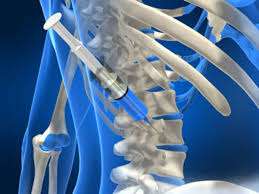
Epidural anesthesia is a common pain management technique used primarily during labor and delivery, as well as certain surgical procedures. This method involves injecting anesthetic medication into the epidural space of the spinal column to block sensation in the lower body.
- Symptoms and Causes: Patients typically seek epidural anesthesia for significant pain relief during childbirth or surgeries in the lower body.
- Diagnosis: The need for epidural anesthesia is usually assessed through patient interviews and physical examinations to evaluate the level of pain and medical history.
- Treatment Options: The procedure is performed by an anesthesiologist who injects medication into the epidural space using a thin catheter, allowing for continuous pain control if necessary.
- What to Expect: Patients may experience reduced sensation in their legs, but will remain awake and aware during their procedure; side effects can include temporary numbness or discomfort at the injection site.
This form of anesthesia is recognized for its effectiveness and safety when performed by trained professionals.