
Dr Jain
About Me
Dr Jain
Ophthalmologist
Biography
My Clinic
OPD Hours
| Monday | Morning | 10:00 AM | - | 02:00 PM |
| Evening | 06:00 PM | - | 09:00 PM | |
| Tuesday | Morning | 10:00 AM | - | 02:00 PM |
| Evening | 06:00 PM | - | 09:00 PM | |
| Wednesday | Morning | 10:00 AM | - | 02:00 PM |
| Evening | 06:00 PM | - | 09:00 PM | |
| Thursday | Morning | 10:00 AM | - | 02:00 PM |
| Evening | 06:00 PM | - | 09:00 PM | |
| Friday | Morning | 10:00 AM | - | 02:00 PM |
| Evening | 06:00 PM | - | 09:00 PM | |
| Saturday | Morning | 10:00 AM | - | 02:00 PM |
| Evening | 06:00 PM | - | 09:00 PM | |
| Sunday | Morning | 10:00 AM | - | 02:00 PM |
| Evening | 06:00 PM | - | 09:00 PM |
Treatments
Specialised care and treatments offered
COMPREHENSIVE EYE EXAMINATIONS
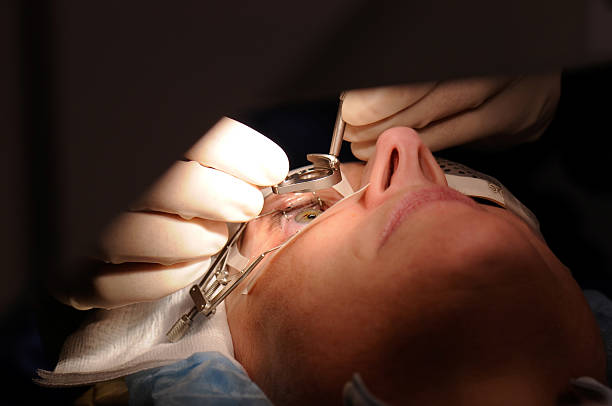
Comprehensive eye examinations play a pivotal role in maintaining ocular health by evaluating both visual function and overall eye wellness. These assessments assist not just in detecting refractive errors but also other underlying conditions like glaucoma or diabetic retinopathy that might compromise sight long-term without immediate signs present initially!
- Symptoms prompting an exam may include frequent headaches, difficulties reading fine print, persistent dry eyes among others showcasing strain on visual acuity efficiency overall .
- Diagnosis encompasses several tests performed such as visual acuity tests assessing clarity paired alongside dilation offering better views into ocular fundus condition additionally .
- Treatment / management will vary based on findings: prescription lenses correcting any refractive errors along with lifestyle recommendations enhancing general ocular comfort overall .
- Follow-up visits are generally recommended regularly ensuring adjustments required are implemented promptly ensuring continuity oral ocular wellness over time .
Regular checks simplify understanding one’s own eyesight enhancing awareness surrounding potential concerns arising helping vastly optimize overall quality life !
KERATOCONUS DIAGNOSIS
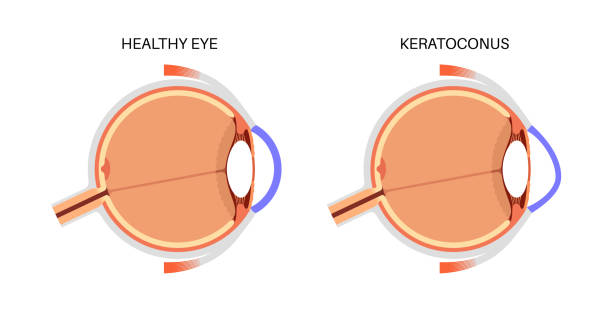
Keratoconus is a condition where the cornea thins progressively, leading to distorted vision; understanding this disorder is integral for those affected. The cornea becomes cone-shaped rather than spherical due to various factors including genetic predisposition or environmental influences.
- Symptoms may vary from mild distortion like astigmatism to more severe visual impairment requiring intervention over time.
- A thorough evaluation includes corneal topography which maps the curvature of your cornea ensuring accurate diagnosis assessment based on its shape variation over time.
- Treatment options range from glasses or contact lenses in earlier stages progressing potentially toward wedge resection, cross-linking therapies or even corneal transplants if it worsens significantly over time.
Learners benefit enormously from knowledge about keratoconus as it helps tailor personal treatment strategies successfully!
DIABETIC RETINOPATHY SCREENING
Diabetic retinopathy impacts individuals with diabetes by damaging retinal blood vessels. It's crucial for diabetics to undergo regular screenings as this condition can progress silently without symptoms initially.
- This condition might manifest as blurry vision or dark spots but may often show no early symptoms at all, making routine screening essential.
- Diagnosis typically involves optical coherence tomography (OCT) and fundus photography for detailed imaging of retinal status.
- Treatment may include laser therapy aimed at reducing further damage as well as appropriate management of blood glucose levels to prevent progression.
- Patients should expect ongoing monitoring post-treatment since diabetic retinopathy is a progressive disease that requires long-term care considerations to maintain vision health.
An informed approach greatly aids in managing diabetes-related eye health effectively over time!
RETINAL DETACHMENT REPAIR
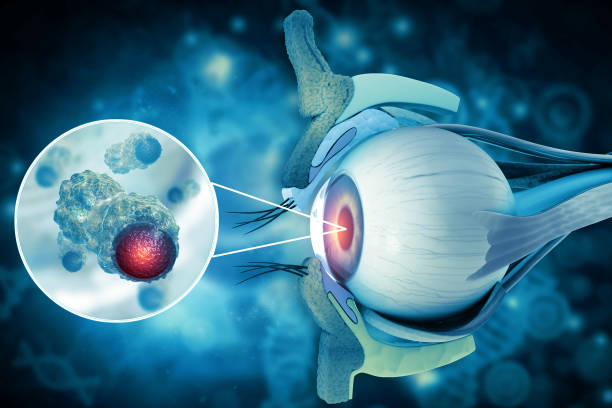
Retinal detachment occurs when the retina separates from its underlying supportive tissue, posing a serious risk of permanent vision loss. This emergency requires prompt attention from an ophthalmologist.
- Commonly reported symptoms include sudden flashes of light, floaters in your field of vision, or a shadow/curtain effect covering part of the visual field.
- A comprehensive dilated eye exam will help confirm the diagnosis by allowing detailed observation of the retina's position and health.
- Treatment options may involve surgical procedures, including laser therapy or vitrectomy, depending on severity and type of detachment.
- Recovery involves follow-up care to monitor retinal healing and potential complications post-surgery.
The importance of recognizing early symptoms can't be overstated; timely treatment can save your sight!
GLAUCOMA MANAGEMENT
Glaucoma represents a group of eye conditions causing optic nerve damage, often associated with increased intraocular pressure. Early detection and management are crucial in preventing vision loss.
- The most common symptoms may be subtle but can include peripheral vision loss, making it challenging for the patient to notice changes until they are significant.
- A thorough eye examination is needed for diagnosis, including measuring intraocular pressure and assessing the optic nerve's appearance.
- Treatment strategies might involve medications aimed at lowering eye pressure or surgical options if medication does not suffice.
- Long-term management is vital because glaucoma typically progresses without noticeable symptoms until advanced stages occur.
Through consistent monitoring and adherence to prescribed treatments, patients can effectively manage this chronic condition.
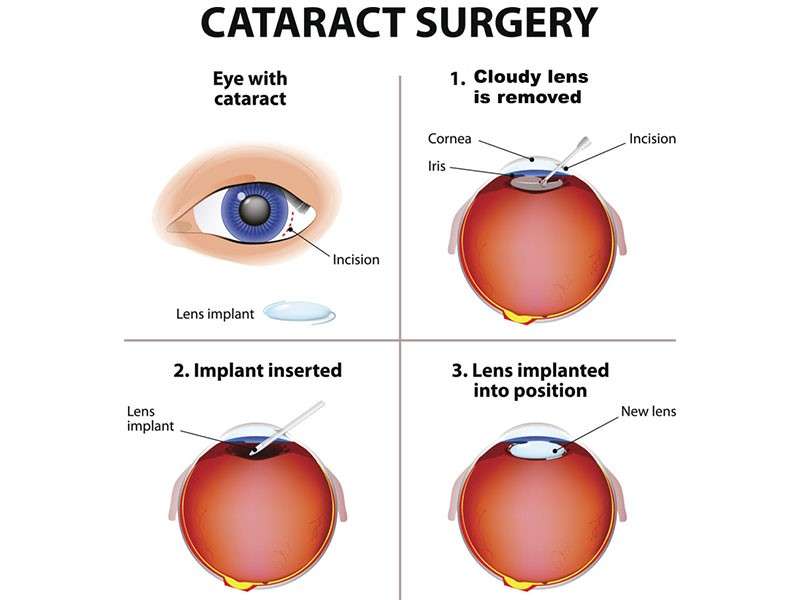
CATARACT SURGERY
Cataracts are a common eye condition that leads to cloudy vision and can significantly impact daily activities. This condition occurs when the lens of the eye becomes opaque, often due to aging or injury.
- Symptoms include blurred or dim vision, sensitivity to light, and difficulty seeing at night.
- Diagnosis is typically made through a comprehensive eye exam that evaluates visual acuity and examines the lens.
- Treatment options primarily involve surgical intervention, during which the cloudy lens is removed and usually replaced with an artificial one.
- Post-operative care is essential and includes follow-up appointments to ensure proper healing.
- Patients can expect significant improvements in their vision after surgery, allowing them to return to normal activities.
Understanding cataracts enhances awareness about their implications and treatment options, facilitating timely intervention.