
Dr Jains Zero Fig
About Me
Dr Jains Zero Fig
MBBS
General Physician
10 Years Experience
Biography
My Clinic
OPD Hours
| Monday | Morning | 10:00 AM | - | 02:00 PM |
| Evening | 06:00 PM | - | 09:00 PM | |
| Tuesday | Morning | 10:00 AM | - | 02:00 PM |
| Evening | 06:00 PM | - | 09:00 PM | |
| Wednesday | Morning | 10:00 AM | - | 02:00 PM |
| Evening | 06:00 PM | - | 09:00 PM | |
| Thursday | Morning | 10:00 AM | - | 02:00 PM |
| Evening | 06:00 PM | - | 09:00 PM | |
| Friday | Morning | 10:00 AM | - | 02:00 PM |
| Evening | 06:00 PM | - | 09:00 PM | |
| Saturday | Morning | 10:00 AM | - | 02:00 PM |
| Evening | 06:00 PM | - | 09:00 PM | |
| Sunday | Morning | 10:00 AM | - | 02:00 PM |
| Evening | 06:00 PM | - | 09:00 PM |
Treatments
Specialised care and treatments offered
GASTROESOPHAGEAL REFLUX DISEASE (GERD) TREATMENT
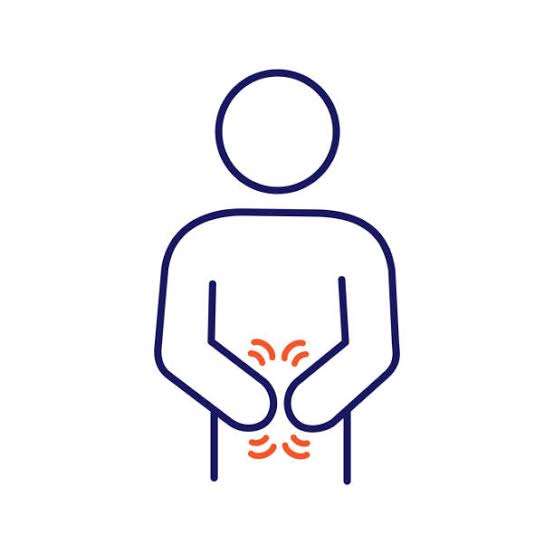
This chronic digestive condition occurs when stomach acid flows back into the esophagus resulting in heartburn and discomfort. Proper management techniques are critical for alleviating symptoms effectively!
- Causes: Commonly linked with overeating spiced meals; other risk factors include obesity & hiatal hernia formations disrupting normal physiology!
- Symptoms: Sour taste & burning sensation behind breastbone signifies reflux instances needing thorough assessment!
- Diagnostic Procedures: Endoscopy allows direct visualization while pH monitoring measures acidity—critical tools aiding diagnosis protocols!
- Treatment Approaches: Recommending dietary adjustments along with medications like antacids assists relief before considering surgery options if conditions persist!
An effective strategy addressing GERD fosters improved digestion comfort thus enhancing overall lifestyle choices positively!
CHRONIC OBSTRUCTIVE PULMONARY DISEASE (COPD) MANAGEMENT

COPD refers to a group of progressive lung diseases including emphysema and chronic bronchitis that result in breathing difficulties over time. Effective management can enhance quality of life significantly
.- Main Causes: Typically caused by long-term exposure to harmful particulates like cigarette smoke or air pollution which leads to airway inflammation.
- Symptoms: Persistent cough with mucus production, wheezing during breathing intervals are common indicators requiring attention.
- Diagnostic Measurement: Pulmonary function tests (PFTs) provide insight into lung capacity while imaging studies assist further evaluation.
- Management Strategies: Lifestyle changes coupled with bronchodilators or steroids are often employed alongside pulmonary rehabilitation programs aimed at improving functional abilities.
An individualized management plan holds substantial importance in controlling COPD progression—diligent follow-ups facilitate monitoring response outcomes throughout treatment phases
THYROID DISORDER TREATMENT

The thyroid gland plays a crucial role in regulating metabolism through hormone production. Disorders such as hypothyroidism or hyperthyroidism can disrupt normal body functions significantly.
- Causative Factors: These disorders may arise from autoimmune conditions, iodine deficiency, or nodules within the gland itself.
- Symptoms: Hypothyroidism typically presents with fatigue, weight gain, depression; whereas hyperthyroidism may cause weight loss, increased heart rate, and anxiety conditions.
- Diagnosis Methodology: Blood tests measuring thyroid hormone levels are integral for diagnosing these conditions accurately.
A personalized treatment plan helps restore balance effectively while addressing individual symptoms and concerns related to thyroid health.
ASTHMA MANAGEMENT
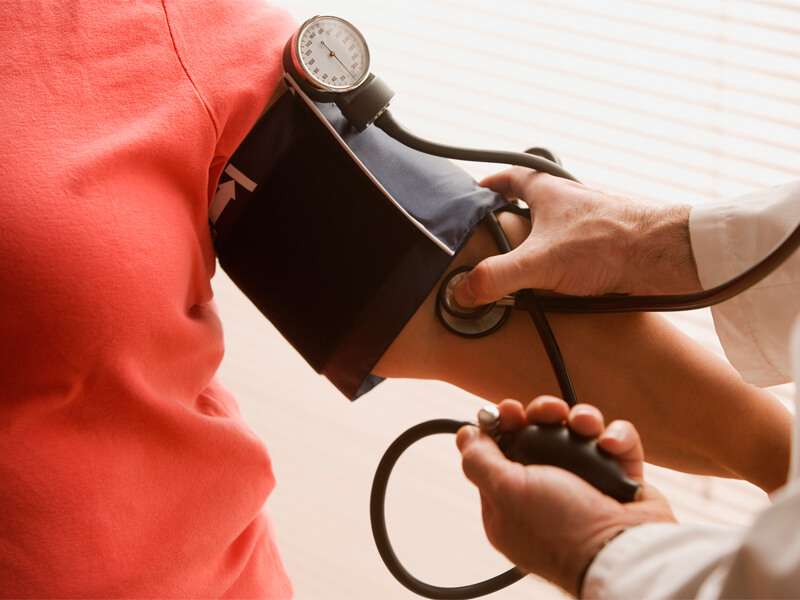
Asthma is a chronic respiratory condition that causes inflammation and narrowing of the airways, leading to difficulty in breathing. It can significantly impact daily activities if not properly managed.
- Symptoms: Symptoms often include wheezing, coughing, chest tightness, and shortness of breath, which may occur or worsen at night or during physical activity.
- Diagnosis: A healthcare provider will assess symptoms through medical history and perform tests such as spirometry to measure lung function.
- Treatment Options: Asthma treatment usually includes quick-relief inhalers for immediate symptom control and long-term medications like inhaled corticosteroids for prevention.
- Coping Strategies: Identifying triggers (like allergens or pollution) can help manage asthma more effectively along with an action plan tailored for individual needs.
A proactive approach can lead to better control of asthma symptoms and improved quality of life for patients.
DIABETES MANAGEMENT

Diabetes is a chronic condition characterized by elevated blood sugar levels. It requires careful management to prevent complications affecting various organs over time.
- Causes: Type 1 diabetes typically results from autoimmune destruction of insulin-producing cells, while Type 2 is often linked to lifestyle factors like obesity.
- Symptoms: Common symptoms include excessive thirst, frequent urination, fatigue, and blurred vision.
- Diagnosis: Diagnosing diabetes involves fasting glucose tests or HbA1c tests that measure average blood sugar levels over months.
- Treatment: Management strategies range from lifestyle modifications to insulin therapy, depending on the type and severity of diabetes.
A comprehensive approach to diabetes care helps in maintaining optimal blood sugar levels and reducing long-term risks.
HYPERTENSION MANAGEMENT

Hypertension, or high blood pressure, is a common condition that can lead to serious health problems if left untreated. This condition often develops over the years and may not present noticeable symptoms initially.
- Symptoms: Many individuals may experience headaches, shortness of breath, or nosebleeds but often remain asymptomatic.
- Diagnosis: Blood pressure readings taken on multiple occasions help confirm the diagnosis. Additional tests like blood tests and echocardiograms may be utilized.
- Treatment Options: Lifestyle changes such as diet modification and regular exercise are essential. Medications like diuretics or ACE inhibitors may also be prescribed as needed.
- Management: Routine monitoring is crucial to track blood pressure levels and adjust treatments accordingly.
Effective management of hypertension is pivotal in preventing complications such as heart disease and stroke.