
Dr Jairam Jagiasi
About Me
Dr Jairam Jagiasi
Dermatologist
Biography
My Clinic
OPD Hours
| Tuesday | Morning | 10:00 AM | - | 02:00 PM |
| Evening | 06:00 PM | - | 09:00 PM | |
| Wednesday | Morning | 10:00 AM | - | 02:00 PM |
| Evening | 06:00 PM | - | 09:00 PM | |
| Thursday | Morning | 10:00 AM | - | 02:00 PM |
| Evening | 06:00 PM | - | 09:00 PM | |
| Friday | Morning | 10:00 AM | - | 02:00 PM |
| Evening | 06:00 PM | - | 09:00 PM | |
| Saturday | Morning | 10:00 AM | - | 02:00 PM |
| Evening | 06:00 PM | - | 09:00 PM | |
| Sunday | Morning | 10:00 AM | - | 02:00 PM |
| Evening | 06:00 PM | - | 09:00 PM | |
| Thursday | Morning | 10:00 AM | - | 02:00 PM |
| Evening | 06:00 PM | - | 09:00 PM |
Treatments
Specialised care and treatments offered
ALLERGIC CONTACT DERMATITIS
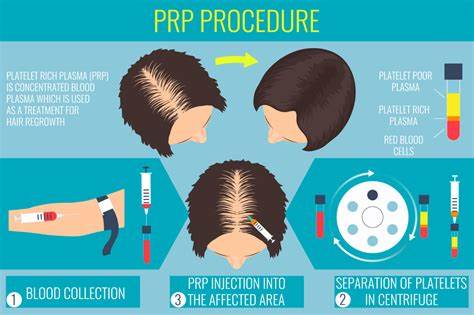
This condition arises when one’s skin reacts adversely upon contact with certain substances deemed irritating or allergenic causing inflammation leading often times excessive discomfort.”
- Common Symptoms Include: Redness swelling itchiness forming blisters amongst others regularly arising following encountering particular allergens...
SKIN CANCER SCREENING
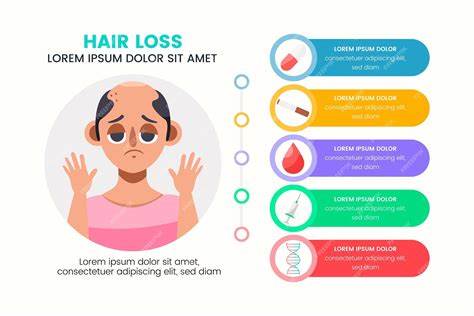
A proactive approach through regular screening helps detect potential skin cancer at its earliest stages when it’s most treatable. Skin examinations are essential part of maintaining one’s dermatological health especially for individuals at higher risk due to family history or extensive sun exposure.”
- Warning Signs: Early signs often manifest as new growths or changes in existing moles - including asymmetry color variation etc... < br />
- Test Process: During screening dermatologists perform full-body evaluations looking closely for atypical lesions requiring additional diagnostics like dermoscopy... < br />
- Importance of Early Detection: Catching these conditions early can increase survival rates dramatically hence educating patients regarding self-examinations proves beneficial...
Regular screenings combined with vigilant observation promote individual awareness thereby contributing meaningfully towards overall health maintenance ...
ROSACEA
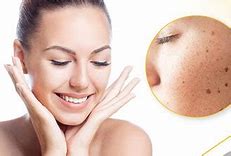
Categorized as a chronic facial disorder, rosacea primarily affects adults. It manifests through facial redness along with visible blood vessels which can be distressing for many patients.
- Main Symptoms: Symptoms generally include persistent flushing, dryness of the eyes (ocular rosacea), and pimple-like bumps resembling acne lesions...
- Causes: Triggers often vary from person to person but can involve sun exposure, spicy foods or alcohol consumption that lead to flare-ups...
- Diagnostic Process: Dermatologists utilize patient history assessments alongside physical examinations when diagnosing rosacea...
- Treatment Modalities: Management strategies might include topical medications like metronidazole as well as oral antibiotics in more severe instances...
Living with rosacea necessitates understanding personal triggers which could aid in symptom management while allowing affected individuals greater comfort dealing socially each day...
ECZEMA (ATOPIC DERMATITIS)
Eczema is a chronic inflammatory condition that commonly affects children but can occur at any age. The disease leads to dry, itchy skin that may become inflamed and cracked if left untreated.
- Symptoms: Patients frequently experience intense itching, dry patches on their skin—most commonly located on the arms and behind the knees—and even crusting in severe cases.
- Causes: While genetics play a role in eczema's development, environmental triggers such as allergens or irritants can exacerbate symptoms.
- Your Dermatologist’s Role: A dermatologist will assess your symptoms during an examination to determine the best treatment approach tailored for you.
- Treatment options include: Emollients for hydration and topical corticosteroids reduce inflammation when flare-ups occur. In some cases, immunomodulators may be prescribed as well.
This condition requires ongoing management strategies that consider both treatment adherence and lifestyle adjustments for optimal relief from symptoms.
PSORIASIS
This chronic autoimmune disorder results in rapid skin cell growth leading to thickened patches of skin that are often red and itchy. Individuals affected by psoriasis may experience significant discomfort.
- Symptoms: Common signs include dry patches of skin covered with scales, redness around the patches, and itching or burning sensations.
- Causes: Genetic predisposition coupled with environmental factors such as stress or infections may trigger flares.
- Diagnosis: Psoriasis is diagnosed through a clinical evaluation; sometimes a biopsy may be performed to confirm the diagnosis.
- Treatment methods: Options range from topical treatments like corticosteroids to systemic medications for more severe cases.
- What to expect: With proper treatment and lifestyle adjustments, individuals can keep symptoms under control significantly improving their quality of life.
A comprehensive approach involving both medical intervention and patient education can facilitate better outcomes for those living with psoriasis.
ACNE VULGARIS
Acne Vulgaris is a common skin condition that primarily affects adolescents and young adults, but can occur at any age. It is characterized by the presence of comedones, papules, and pustules.
- Symptoms: Patients often present with whiteheads, blackheads, or inflamed pimples on the face, back, and shoulders.
- Causes: The condition is usually caused by hormonal changes, excess oil production, and the presence of specific bacteria on the skin.
- Diagnosis: A dermatologist typically diagnoses acne through a physical examination and a review of medical history.
- Treatment options: Treatments may include topical retinoids, antibiotics, or hormonal therapies depending on severity.
- Management: Consistent skincare routines and avoiding certain triggers can help manage acne outbreaks effectively.
Understanding acne is key to managing its effects. Appropriately addressing this condition can lead to improved skin health and self-esteem.