
Dr Jalpa P Bhuta
About Me
Dr Jalpa P Bhuta
General Physician
Biography
My Clinic
OPD Hours
| Tuesday | Morning | 10:00 AM | - | 02:00 PM |
| Evening | 06:00 PM | - | 09:00 PM | |
| Wednesday | Morning | 10:00 AM | - | 02:00 PM |
| Evening | 06:00 PM | - | 09:00 PM | |
| Thursday | Morning | 10:00 AM | - | 02:00 PM |
| Evening | 06:00 PM | - | 09:00 PM | |
| Friday | Morning | 10:00 AM | - | 02:00 PM |
| Evening | 06:00 PM | - | 09:00 PM | |
| Saturday | Morning | 10:00 AM | - | 02:00 PM |
| Evening | 06:00 PM | - | 09:00 PM | |
| Sunday | Morning | 10:00 AM | - | 02:00 PM |
| Evening | 06:00 PM | - | 09:00 PM | |
| Thursday | Morning | 10:00 AM | - | 02:00 PM |
| Evening | 06:00 PM | - | 09:00 PM |
Treatments
Specialised care and treatments offered
COMMON COLD
The common cold is an upper respiratory infection caused by various viruses resulting in symptoms such as coughing, sneezing, sore throat; it’s highly contagious but generally mild.
- Lorem Ipsum dolor sit amet consectetur adipiscing elit...
- The majority recover within one week without requiring specific medical treatment; managing symptoms does involve over-the-counter remedies using decongestants though they do not cure colds.. Symptoms primarily provide relief while resting ensures faster recovery! Being aware about hygiene measures will also help prevent spreading this viral illness.”} “A proper understanding coupled with safe practices minimizes exposure among community members ensuring better overall wellness this season!
ANEMIA

Anemia occurs when your body does not have enough healthy red blood cells to carry adequate oxygen to your tissues. This can result in fatigue and weakness among other symptoms
.- The most common type is iron deficiency anemia; signs include paleness of skin or fingernails plus shortness of breath during exertion. Diagnosis usually involves a complete blood count (CBC) test alongside evaluation of dietary habits. Treatment varies from nutritional supplementation—like iron pills—to addressing underlying causes through dietary changes aimed at increasing iron intake. [...][...] Adequate management is key; those affected can improve their health significantly by incorporating appropriate treatments alongside lifestyle adjustments.
GASTROESOPHAGEAL REFLUX DISEASE (GERD)
ASTHMA
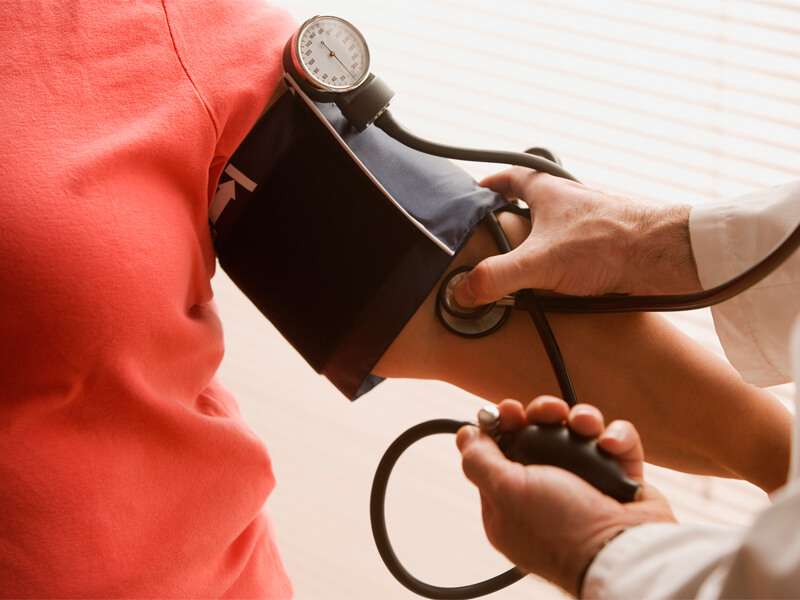
Asthma is a chronic respiratory condition that causes wheezing, coughing, chest tightness, and difficulty breathing. It occurs due to inflammation in the airways making them more sensitive to various triggers.
- Symptoms may vary from mild to severe; common triggers include allergens, smoke, cold air, or exercise.
- A healthcare provider typically diagnoses asthma through lung function tests known as spirometry along with assessing medical history and symptoms.
- Treatment plans often incorporate inhalers containing bronchodilators or corticosteroids to help manage symptoms effectively.
- A comprehensive asthma action plan is recommended for patients to identify their triggers and when to seek medical attention.
With appropriate treatment and avoidance strategies, asthma can be well-controlled allowing patients to maintain an active lifestyle free from restrictions caused by breathing difficulties.
DIABETES MELLITUS
Diabetes mellitus is a chronic condition that affects how your body metabolizes sugar (glucose). It's characterized by elevated levels of glucose in the blood, which can lead to serious health complications if left untreated.
- The primary types are Type 1 and Type 2 diabetes; symptoms may include increased thirst, frequent urination, fatigue, and blurred vision.
- Diagnosis usually involves blood tests that measure glucose levels and an HbA1c test for long-term blood sugar control.
- Treatment options for diabetes include lifestyle modifications such as diet and exercise, along with oral medications or insulin therapy when necessary.
- Regular monitoring of blood sugar levels is essential to avoid complications like neuropathy or cardiovascular diseases.
Effective management allows individuals with diabetes to maintain their health and prevent long-term complications through careful monitoring and treatment strategies.
HYPERTENSION
Hypertension, or high blood pressure, is a common condition that affects many adults. It often develops over many years and can lead to serious health issues if not managed properly.
- Common symptoms include headaches, shortness of breath, and nosebleeds, although many people may not notice any symptoms at all.
- Diagnosis typically involves measuring blood pressure during a clinical visit using a sphygmomanometer.
- Treatment options range from lifestyle changes such as diet and exercise to medications like diuretics or ACE inhibitors.
- Regular monitoring of blood pressure is crucial in managing the condition effectively.
- Maintaining a healthy weight and reducing salt intake can greatly help manage hypertension.
With proper care and management, individuals with hypertension can lead healthy lives and significantly reduce their risk of complications.