
Dr Jamuna Pai
About Me
Dr Jamuna Pai
Dermatologist
Biography
My Clinic
OPD Hours
| Tuesday | Morning | 10:00 AM | - | 02:00 PM |
| Evening | 06:00 PM | - | 09:00 PM | |
| Wednesday | Morning | 10:00 AM | - | 02:00 PM |
| Evening | 06:00 PM | - | 09:00 PM | |
| Thursday | Morning | 10:00 AM | - | 02:00 PM |
| Evening | 06:00 PM | - | 09:00 PM | |
| Friday | Morning | 10:00 AM | - | 02:00 PM |
| Evening | 06:00 PM | - | 09:00 PM | |
| Saturday | Morning | 10:00 AM | - | 02:00 PM |
| Evening | 06:00 PM | - | 09:00 PM | |
| Sunday | Morning | 10:00 AM | - | 02:00 PM |
| Evening | 06:00 PM | - | 09:00 PM | |
| Thursday | Morning | 10:00 AM | - | 02:00 PM |
| Evening | 06:00 PM | - | 09:00 PM |
Treatments
Specialised care and treatments offered
CONTACT DERMATITIS
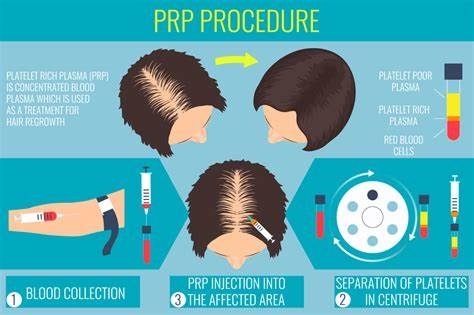
This inflammatory reaction occurs when the skin comes into direct contact with irritants or allergens. The inflammation typically presents after multiple exposures leading to itching or rashes at affected sites
- Symptoms: The most common signs include redness blistering swelling localized where exposure occurred;
- Causes: Irritation due to chemical agents found in cleaning products cosmetics is frequent alongside certain metals like nickel causing allergic types < Strong < = ” ” ≠ Environmental Diagnosis : “Checking Potential Allergens” ) Examination combined specifically targeting allergies responsible identification testing essential diagnosing accurately contacting dermatitis ” ;< / l i >
SKIN CANCER SCREENING
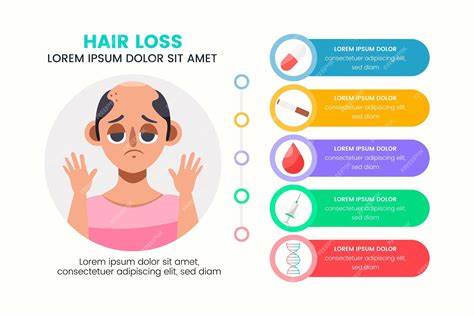
Cancer screening involves checking your skin regularly for new moles or changes to existing ones. Early detection increases treatment success rates significantly for various forms of skin cancer including melanoma.
- Sings of Concern: Unusual growths or changes in existing moles should trigger immediate consultation with a specialist; sudden itchiness might also be a signal
- Causes: Prolonged UV exposure from sunlight or tanning beds increases risk substantially;
- Diagnosis: Initial assessments usually involve thorough visual examinations followed potentially by biopsies if abnormalities are detected;
- Treatment Options: Depending on diagnosis; options range from surgical removal to targeted therapy plans if malignancy confirmed;
ROSACEA
This chronic condition primarily affects facial skin causing redness and visible blood vessels. It's particularly prevalent among fair-skinned individuals but can affect anyone regardless of skin type.
- Symptoms: Flushing or persistent redness in the central part of the face along with bumps resembling acne;
ECZEMA (ATOPIC DERMATITIS)
Eczema is a chronic inflammatory skin condition characterized by dry and itchy patches. It affects people of all ages but commonly begins in childhood.
- Symptoms: Itchy red patches that can become crusty or weepy; often worsens with stress or environmental factors.
- Causes: A combination of genetic predisposition and environmental irritants plays a role in its development.
- Diagnosis: Typically diagnosed based on medical history and physical examination; patch testing may also be utilized to identify allergens.
- Treatment Options: Regular use of emollients and topical corticosteroids are key management strategies in controlling symptoms.
If untreated or improperly managed, eczema can lead to significant discomfort and affect self-esteem. Therefore, establishing an effective personal care regimen is crucial for control.
PSORIASIS
This chronic autoimmune condition leads to the rapid buildup of skin cells resulting in scaling on the skin's surface. Psoriasis is often accompanied by inflammation and redness surrounding the scales.
- Symptoms: Red patches of skin covered with thick silvery scales; can be itchy or sore.
- Causes: The immune system mistakenly attacks healthy skin cells; triggers may include stress or infections.
- Diagnosis: Usually diagnosed through visual inspection by a dermatologist with possible biopsy for confirmation.
- Treatment Options: Includes topical therapies like corticosteroids, phototherapy, or systemic medications for widespread cases.
- Lifestyle Management: Moisturizers and avoiding known triggers can help manage flare-ups effectively.
A proactive approach is vital as psoriasis can impact quality of life significantly if not managed properly over time.
ACNE VULGARIS
Acne vulgaris is a common skin condition that primarily affects adolescents, but can occur at any age. It manifests as pimples, blackheads, and cysts, primarily on the face, back, and shoulders.
- Symptoms: Includes whiteheads, blackheads, and painful cysts; often leads to emotional distress.
- Causes: Hormonal changes, excess oil production, and bacterial growth contribute to acne development.
- Diagnosis: Primarily through clinical examination; in some cases, skin samples may be taken for analysis.
- Treatment Options: Topical retinoids, benzoyl peroxide treatments, oral antibiotics, or isotretinoin are commonly prescribed based on severity.
- Management: Consistent skincare routines and dietary modifications can aid in reducing outbreaks.
If left untreated, acne can result in scarring; hence early intervention is essential for optimal outcomes.