
Dr Jamuna Pai
About Me
Dr Jamuna Pai
Dermatologist
Biography
My Clinic
OPD Hours
| Tuesday | Morning | 10:00 AM | - | 02:00 PM |
| Evening | 06:00 PM | - | 09:00 PM | |
| Wednesday | Morning | 10:00 AM | - | 02:00 PM |
| Evening | 06:00 PM | - | 09:00 PM | |
| Thursday | Morning | 10:00 AM | - | 02:00 PM |
| Evening | 06:00 PM | - | 09:00 PM | |
| Friday | Morning | 10:00 AM | - | 02:00 PM |
| Evening | 06:00 PM | - | 09:00 PM | |
| Saturday | Morning | 10:00 AM | - | 02:00 PM |
| Evening | 06:00 PM | - | 09:00 PM | |
| Sunday | Morning | 10:00 AM | - | 02:00 PM |
| Evening | 06:00 PM | - | 09:00 PM | |
| Thursday | Morning | 10:00 AM | - | 02:00 PM |
| Evening | 06:00 PM | - | 09:00 PM |
Treatments
Specialised care and treatments offered
CONTACT DERMATITIS
This form of dermatitis occurs when your skin comes into contact with an irritant or allergen resulting in inflammation characterized by itchy rashes appearing usually after exposure time varies significantly between individuals thus increasing complexity surrounding diagnosis approaches undertaken subsequently following initial consultations advising necessary actions moving forward!
- Symptoms Identification: Individuals typically notice redness swelling blister-like formations around areas affected alongside significant discomfort early signs responding promptly ensures better healing trajectories once recognized diligently tackling underlying causative agents preventing recurrence effectively keeps concerns minimized regularly observed post initial appearances identified earlier phases clarified accordingly .
- > < ) Managed Responses : Treatment regimens often integrate topical corticosteroids antihistamines encouraging healing whilst minimizing itchiness discomfort restoring balance gradually over successive appointments enhancing dermatological relations between patients stakeholders involved alike addressing wider community perspectives continuously forming networks supportive avenues crucial both educationally emotionally alike fostering trust building capacities thus facilitating continuous positive engagements proficiently laying foundation necessary moving forth addressing future endeavors timely manner.< br />
ROSACEA
This chronic inflammatory condition primarily affects facial regions resulting in redness often resembling blushing alongside visible blood vessels. Those diagnosed tend to experience flare-ups triggered under specific conditions such as extreme temperatures flushing from spicy foods among others .
- Symptoms: Classic manifestations involve persistent facial redness along with bumps resembling acne outbreaks leading individuals into confusion regarding their relationship dynamics tied closely with social interactions .
- Causes: While causes remain ambiguous some contributing elements include genetic factors lifestyle habits plus environmental influences compromising overall dermal defense mechanisms .
- Diagnosis Approach: Medical professionals evaluate upon observing characteristic signs ensuring exclusion against alternative disorders prompting thoughtful intervention guidelines thereafter .
- Available Treatments: Common prescriptions comprise topical creams laser therapies oral antibiotics focusing primarily towards reducing inflammation ensuring flexibility throughout everyday routines effectively managing outcomes adequately improving aesthetics eventually .
The right support goes hand-in-hand with careful monitoring assuring confidence returns alongside improvement expectations over time!
SKIN CANCER SCREENING
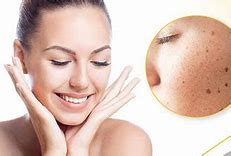
A proactive approach in dermatology involves regular screenings for skin cancer. This procedure usually includes a comprehensive assessment of your entire skin surface by a trained medical professional who looks for unusual moles or growths that could indicate malignancy.
- Mole Evaluation: Each mole should be examined thoroughly regarding its size, color changes, texture variations along with any potential asymmetry in shape.
- Important Indicators: Certain signs like change in appearance over time deserve immediate attention as they might signify potential health risks related to melanoma or other types of skin cancer.
- Risk Factors: History of sun exposure particularly sunburns during childhood increases susceptibility alongside family history.
- Diagnostic Methods: If irregularities arise during visual exams further investigations such as biopsies may follow enabling precise classification regarding required treatment protocols if needed.
Early detection significantly enhances outcomes making routine visits vitally valuable towards sustaining excellent health!
ACNE VULGARIS
This common skin condition affects people of all ages and results from clogged hair follicles due to oil build-up. Acne can manifest as pimples, blackheads, whiteheads, or cysts primarily on the face but may also appear on other areas of the body such as the back and shoulders.
- Symptoms: While acne often presents as various types of lesions like comedones (blackheads/whiteheads) and pustules (inflamed zits), it may also lead to scarring if not managed properly.
- Causes: Factors contributing to acne include hormonal changes during puberty or menstrual cycles along with genetic predisposition and certain medications.
- If Diagnosed: A thorough evaluation by a dermatologist can determine the best course of action tailored for individual cases.
The journey toward clearer skin requires patience and consistent care!
ECZEMA
Eczema, also known as atopic dermatitis, is a common inflammatory skin condition characterized by itchy, red, and inflamed patches on the skin. This condition frequently affects children but can persist into adulthood or develop at any age.
- Symptoms: Symptoms typically include intense itching, dry skin, and red or brownish-gray patches on the body.
- Causes: Eczema can be triggered by allergens, irritants, dry air, stress, or even certain foods.
- Diagnosis: Diagnosis is usually based on clinical evaluation; sometimes allergy tests may be undertaken to identify triggers.
- Treatment Options: Management often includes topical steroids, moisturizers to maintain hydration of the skin, and antihistamines for itching relief.
- What to Expect: Flare-ups can occur; thus long-term management strategies are essential for control.
If you suspect you have eczema or experience recurrent skin issues, seeking professional advice can lead to effective treatment options.
PSORIASIS
Psoriasis is a chronic autoimmune condition that leads to the rapid growth of skin cells, causing scaling on the skin's surface. This condition often results in red patches covered with thick, silvery scales that can be itchy and sometimes painful.
- Symptoms: Common symptoms include dry, cracked skin that may bleed, itching, and soreness.
- Causes: The exact cause is unknown but is believed to involve a combination of genetics and environmental factors.
- Diagnosis: Dermatologists typically diagnose psoriasis through physical examination and patient history; sometimes a skin biopsy is necessary.
- Treatment Options: Treatments may include topical treatments like corticosteroids, phototherapy, or systemic medications for severe cases.
- Management: Regular follow-ups are important to monitor progress and adjust treatments as needed.
If you're experiencing symptoms of psoriasis, consult a healthcare professional for an accurate diagnosis and comprehensive treatment plan.