
Dr Jaswinder Sing
About Me
Dr Jaswinder Sing
MS
Orthopaedic Surgeons
10 Years Experience
Biography
My Clinic
OPD Hours
| Monday | Morning | 10:00 AM | - | 02:00 PM |
| Evening | 06:00 PM | - | 09:00 PM | |
| Tuesday | Morning | 10:00 AM | - | 02:00 PM |
| Evening | 06:00 PM | - | 09:00 PM | |
| Wednesday | Morning | 10:00 AM | - | 02:00 PM |
| Evening | 06:00 PM | - | 09:00 PM | |
| Thursday | Morning | 10:00 AM | - | 02:00 PM |
| Evening | 06:00 PM | - | 09:00 PM | |
| Friday | Morning | 10:00 AM | - | 02:00 PM |
| Evening | 06:00 PM | - | 09:00 PM | |
| Saturday | Morning | 10:00 AM | - | 02:00 PM |
| Evening | 06:00 PM | - | 09:00 PM | |
| Sunday | Morning | 10:00 AM | - | 02:00 PM |
| Evening | 06:00 PM | - | 09:00 PM |
Treatments
Specialised care and treatments offered
CARPAL TUNNEL RELEASE
This surgical procedure addresses carpal tunnel syndrome—a condition resulting from pressure on the median nerve inside your wrist—that leads to tingling sensations, numbness, or weakness in your hand.
- Key symptoms generally manifest themselves as frequent hand irritation especially noticeable while performing repetitive tasks requiring wrist flexion like typing prolonged durations; if untreated worsening conditions could culminate debilitating chronic injuries surfacing eventually hindering regular functioning.
- Diagnosis relies primarily upon clinical evaluations complemented regularly indexed nerve conduction studies providing accurate insights detailing extent signal transmission disruptions occurring nerves directly impacted conflicting spaces impeding normal operations timely intervals monitored vigilantly management decisions taken thereafter appropriately tailored contingencies set forth extend personalized care timelines fit concerning patient needs whichever required denotes exactly outlined expectations establishing further proactive solutions pursued forestalling reoccurrences likely arising future instances potentially presenting over time going forward into latter stages lives continuing important every moment treasured taken advantage fulfilling aspects realized continuously engaging existing environments shared among peers engaging meaningful ways!
- Non-invasive approaches initially recommended resting/ice application preferred pads warming relieving discomfort whilst adjusting workplace ergonomics ensuring no undue pressure placed hands/wrists synthesizing improved overall perceptions situations altogether harmoniously coalesced streamline workflows thereby enhancing outcomes progressively achieved swiftly! Surgical releases actually involve cutting transverse carpal ligament opening spaces nerves sufficient freedom operate unimpeded facilitating ultimate long-lasting resolution ideal compressive forces alleviated accorded - prominent relations initiated connecting freely once reunited enabling positive experiences derived post-trials undergone transitions moved embracing swiftly enabled people happily returning enjoying everyday routines they savor exceedingly fondly reminiscing fulfillment gained thereafter attained successful procedures concluded aptly subjected correspondingly directed adept suitable established protocols guiding comprehensive follow-ups—maximizing prospects venture back thriving lifestyles reclaimed ultimately enriched revelry!
ANKLE ARTHRODESIS
Ankle arthrodesis (fusion) effectively stabilizes an unstable joint by surgically fusing bones together. It's frequently indicated for patients experiencing severe arthritis affecting their ankle joints where other treatments have failed to provide relief from debilitating symptoms like constant pain unsupported by conservative management measures alone.
- Symptoms may include chronic discomfort aggravated by weight-bearing activities alongside limited mobility due mostly because affected joints tend not move naturally anymore without discomfort accompanying those movements.
- Diagnosis primarily revolves around examining patient histories/physical assessments followed up via imaging studies (X-ray/MRI) focusing closely on critical areas involved.
- Treatment plans depend significantly upon individual cases' needs; however immediate attention should focus first targeting inflammation levels before considering surgical interventions eventually leading up toward permanent stabilization resulting positive long-term outcomes thereafter moving forward post-surgery through consistent physiotherapy regimes aimed towards achieving fully restored functionalities once again!
- During this operation specialized techniques ensure careful placement—often involving hardware support elements employed securely holding bones together until complete union occurs satisfactorily three months later typically anticipated before full activity resumed overall soon after concluding initial repair efforts made efficiently carried out skillfully professionals experienced field!
This remarkable technique offers promising avenues recovering dynamic functional abilities sought individuals devoted previously hindered living comfortably once constrained progressing along journeys greater activity levels achieved ultimately happiness!
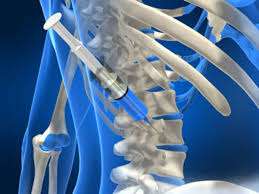
SPINAL FUSION SURGERY

Spinal fusion is intended to permanently connect two or more vertebrae in the spine, thus eliminating movement between them which can relieve chronic back pain. Conditions such as degenerative disc disease often necessitate this surgery when conservative treatments fail.
- The primary symptom prompting this surgery is unrelenting back pain that radiates down the legs due to nerve compression caused by misalignment or degeneration of spinal structures.
- A comprehensive assessment includes physical exams coupled with diagnostic imaging like CT scans or MRIs for effective treatment planning.
- Surgical options involve harvesting bone grafts that facilitate bone growth between vertebrae after corrective alignment has been achieved during the operation itself;
- A key element of post-operative care is rigorous adherence to rehabilitation protocols designed specifically around safely restoring strength and flexibility without jeopardizing healing processes throughout recovery phases;
This approach can lead toward improved functionality and quality of life when performed under appropriate circumstances by qualified specialists.
HIP RESURFACING

This surgical option serves as an alternative to total hip replacement for younger, active patients with hip joint degeneration. It involves capping the femoral head with a smooth metal covering instead of removing it entirely.
- Patients often report gradual onset of pain, stiffness, or decreased mobility associated with osteoarthritis or avascular necrosis.
- A detailed examination including X-rays helps ascertain eligibility for resurfacing over traditional hip replacement methods.
- Surgical intervention aims to alleviate pain while preserving more bone than in total hip replacements, which is advantageous for younger individuals seeking longevity in their joints.
- The recovery phase emphasizes gentle physical therapy aimed at regaining range of motion without stressing the new joint too quickly.
This could be a fitting solution for patients looking to maintain an active lifestyle post-surgery while minimizing complication risks related to more extensive procedures.
SHOULDER ARTHROSCOPY

Shoulder arthroscopy is a minimally invasive surgical technique used to diagnose and treat various shoulder conditions. This approach utilizes small incisions and an arthroscope, allowing for enhanced visualization within the joint.
- Common symptoms include joint pain, reduced range of motion, or instability in the shoulder area.
- A healthcare professional diagnoses these conditions using physical examinations along with advanced imaging techniques like MRIs.
- Treatment options can vary; many patients benefit from conservative methods first before opting for arthroscopic intervention if symptoms persist.
- The procedure involves inserting instruments through small cuts to repair damaged tissues or remove loose fragments within the joint capsule.
- The recovery process is crucial; rehabilitation practices focus on restoring function and strengthening surrounding muscles after surgery.
This innovative technique provides patients with a quicker recovery time compared to open surgery while effectively addressing shoulder-related ailments.
TOTAL KNEE REPLACEMENT

Total knee replacement is a surgical procedure that seeks to relieve pain and restore function in patients suffering from severe knee damage. This often occurs due to arthritis or traumatic injury, leading to significant discomfort and mobility issues.
- Symptoms may include persistent pain, swelling, and stiffness that limits everyday activities.
- The diagnosis typically involves a thorough clinical evaluation and imaging tests such as X-rays or MRIs to assess the extent of joint damage.
- Treatment options usually start with conservative measures such as physical therapy and pain medications but may progress to surgery when less invasive methods prove ineffective.
- During the procedure, damaged tissues are removed and replaced with artificial components, improving the patient’s quality of life substantially.
- Post-operative care includes rehabilitation exercises to ensure optimal recovery and regain strength in the knee.
This procedure can dramatically enhance mobility and reduce pain for patients who qualify as candidates for total knee replacement surgery.