
Dr Jatinder Kaur
About Me
Dr Jatinder Kaur
MBBS
General Physician
10 Years Experience
Biography
My Clinic
OPD Hours
| Monday | Morning | 10:00 AM | - | 02:00 PM |
| Evening | 06:00 PM | - | 09:00 PM | |
| Tuesday | Morning | 10:00 AM | - | 02:00 PM |
| Evening | 06:00 PM | - | 09:00 PM | |
| Wednesday | Morning | 10:00 AM | - | 02:00 PM |
| Evening | 06:00 PM | - | 09:00 PM | |
| Thursday | Morning | 10:00 AM | - | 02:00 PM |
| Evening | 06:00 PM | - | 09:00 PM | |
| Friday | Morning | 10:00 AM | - | 02:00 PM |
| Evening | 06:00 PM | - | 09:00 PM | |
| Saturday | Morning | 10:00 AM | - | 02:00 PM |
| Evening | 06:00 PM | - | 09:00 PM | |
| Sunday | Morning | 10:00 AM | - | 02:00 PM |
| Evening | 06:00 PM | - | 09:00 PM |
Treatments
Specialised care and treatments offered
URINARY TRACT INFECTION (UTI)
An infection affecting parts of the urinary system commonly causes discomfort during urination along with other noticeable symptoms. Early recognition ensures effective treatment preventing spread or complications.
- Symptoms/Causes: Burning sensation while urinating frequency urgency cloudy or foul-smelling urine often due to bacterial invasion from gut flora entering urethra;
- Diagnosis: Urine analysis detects presence of white cells bacteria confirming infection sometimes cultures guide antibiotic choice;
- Therapeutic approach: Antibiotic courses tailored based on susceptibility patterns combined with increased fluid intake aid symptom resolution;
- Patient expectations: Prompt symptom relief typically occurs within few days although completing prescribed medication prevents relapse;
Women are more prone due anatomical factors however maintaining personal hygiene avoids repeated infections ensuring better urinary tract health.
ACUTE BRONCHITIS

This condition involves inflammation of the bronchial tubes leading to coughing spells and respiratory discomfort. It frequently follows a viral upper respiratory tract infection but may also occur due to bacterial causes.
- Pivotal symptoms/etiology: A persistent cough producing sputum accompanied by chest tightness and mild fever indicates bronchitis; smoking history increases susceptibility;
ACUTE GASTROENTERITIS

An inflammation of the stomach and intestines usually caused by infections leads to sudden onset digestive symptoms. Understanding how it develops helps in managing it effectively at home or under medical supervision.
- Main symptoms/causes: Diarrhea, vomiting, stomach cramps often triggered by viruses like norovirus or bacteria from contaminated food/water sources.
- Diagnostic approach: Mainly clinical based on symptom history; stool examination may be done if persistent or severe to identify specific pathogens.
- Treatment methods: Rehydration therapy with oral rehydration salts or IV fluids in severe cases; diet adjustment includes gradual return to normal food intake avoiding irritants;
- If needed management: Antibiotics are rarely required unless bacterial toxin-producing organisms are confirmed; rest enhances recovery speed;
DIABETIC KETOACIDOSIS (DKA)
This serious complication primarily affects people with diabetes when their body produces excess ketones due to insulin deficiency. It requires immediate medical attention.
- Syndrome features: High blood sugar accompanied by nausea, vomiting, abdominal pain, rapid breathing, confusion, dehydration from ketone accumulation in the blood.
- Diagnostic process: Blood glucose testing showing elevated levels; urine analysis revealing ketones; arterial blood gas tests assess acidosis severity.
- Treatment protocol: Hospitalization for intravenous fluids to correct dehydration; insulin therapy to reduce glucose and halt ketone production; electrolyte correction especially potassium balance monitoring is vital.
- Management goals: Stabilize metabolic disturbances promptly while identifying triggers such as infection or missed insulin doses to prevent recurrence.
This critical condition demands urgent care but has good prognosis when treated early with supportive measures in a hospital setting.
HYPERTENSIVE EMERGENCY
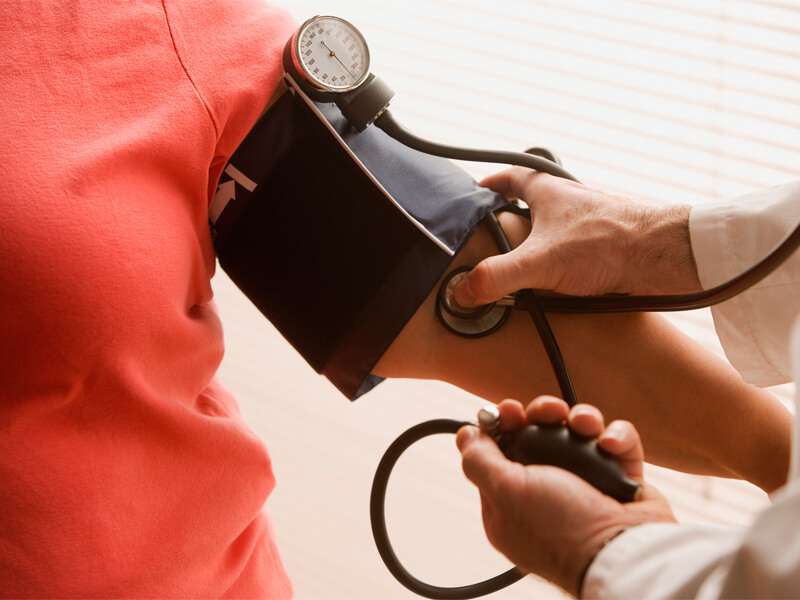
A sudden and severe increase in blood pressure can damage vital organs if not treated swiftly. Awareness of this condition's urgency can save lives.
- Symptoms/causes: Extremely high blood pressure often above 180/120 mmHg with symptoms like headache, chest pain, vision changes, or shortness of breath triggered by uncontrolled hypertension or medication issues.
- Diagnostic measures: Immediate blood pressure measurement along with evaluation of organ function (heart, kidneys, brain) through ECGs and lab tests.
- Treatment strategies: Hospital admission for controlled reduction of blood pressure using intravenous medications under close monitoring to prevent organ damage.
- Expected outcome: Timely intervention typically stabilizes the patient; ongoing management includes lifestyle changes and medication adherence to prevent recurrence.
If ignored, hypertensive emergencies can lead to stroke or cardiac events; early recognition is crucial for survival and health preservation.
ACUTE RESPIRATORY INFECTION

Infections affecting the airways can develop rapidly and cause discomfort and breathing difficulties. Understanding the nature of these infections is important for effective care.
- Symptoms and causes: Sudden onset of cough, fever, sore throat, nasal congestion, sometimes accompanied by shortness of breath.
- Diagnosis: Clinical examination focusing on respiratory rate, oxygen saturation, and auscultation; occasionally supported by chest X-rays or lab tests.
- Treatment options: Symptomatic relief with antipyretics and fluids; antibiotics only if bacterial infection is confirmed; nebulization for airway obstruction in some cases.
- Management: Rest, hydration, avoiding irritants such as smoke; monitoring for worsening symptoms like high fever or breathing difficulty is essential.
Recognizing early signs and seeking prompt medical attention usually leads to full recovery without complications.