
Dr Java Bunty Manohar
About Me
Dr Java Bunty Manohar
Internal Medicine
Biography
My Clinic
OPD Hours
| Tuesday | Morning | 10:00 AM | - | 02:00 PM |
| Evening | 06:00 PM | - | 09:00 PM | |
| Wednesday | Morning | 10:00 AM | - | 02:00 PM |
| Evening | 06:00 PM | - | 09:00 PM | |
| Thursday | Morning | 10:00 AM | - | 02:00 PM |
| Evening | 06:00 PM | - | 09:00 PM | |
| Friday | Morning | 10:00 AM | - | 02:00 PM |
| Evening | 06:00 PM | - | 09:00 PM | |
| Saturday | Morning | 10:00 AM | - | 02:00 PM |
| Evening | 06:00 PM | - | 09:00 PM | |
| Sunday | Morning | 10:00 AM | - | 02:00 PM |
| Evening | 06:00 PM | - | 09:00 PM | |
| Thursday | Morning | 10:00 AM | - | 02:00 PM |
| Evening | 06:00 PM | - | 09:00 PM |
Treatments
Specialised care and treatments offered
GASTROESOPHAGEAL REFLUX DISEASE (GERD)
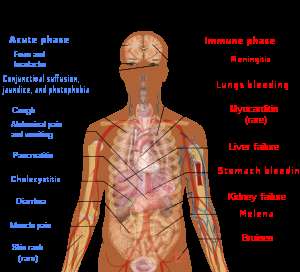
This chronic digestive condition occurs when stomach acid frequently flows back into the esophagus causing irritation. Addressing GERD appropriately prevents complications impacting quality of life significantly over time if left untreated!
- Symptoms : Commonly reported signs consist primarily experiencing heartburn; regurgitation accompanied by sour taste; difficulty swallowing coupled simultaneously feelings persistent throat discomfort consecutively throughout days too!
- Causes
HEART FAILURE
A complex syndrome where the heart cannot pump sufficiently due to various reasons including previous heart attacks or hypertension. It requires continuous care and management strategies tailored individually for optimal outcomes.
- Symptoms : Signs might involve persistent cough/wheezing; swelling in legs/ankles; fatigue even after minimal exertion; rapid heartbeat among others.
- Causes : Potential causes generally link back primarily toward coronary artery disease resulting from unhealthy lifestyles along with other medical factors contributing later down the line.
- Diagnosis : Cardiac imaging modalities along with lab tests assist physicians making accurate diagnoses depending upon symptomatic presentation recorded earlier by patients themselves throughout evaluations conducted periodically thereafter subsequently being monitored closely.
- Treatment : An integrated approach that includes medication adjustment within daily regimens combined with specific lifestyle alterations particularly concerning dietary habits plays pivotal roles* facilitating better functional status amongst affected individuals markedly!
- What To Expect *
CHRONIC KIDNEY DISEASE
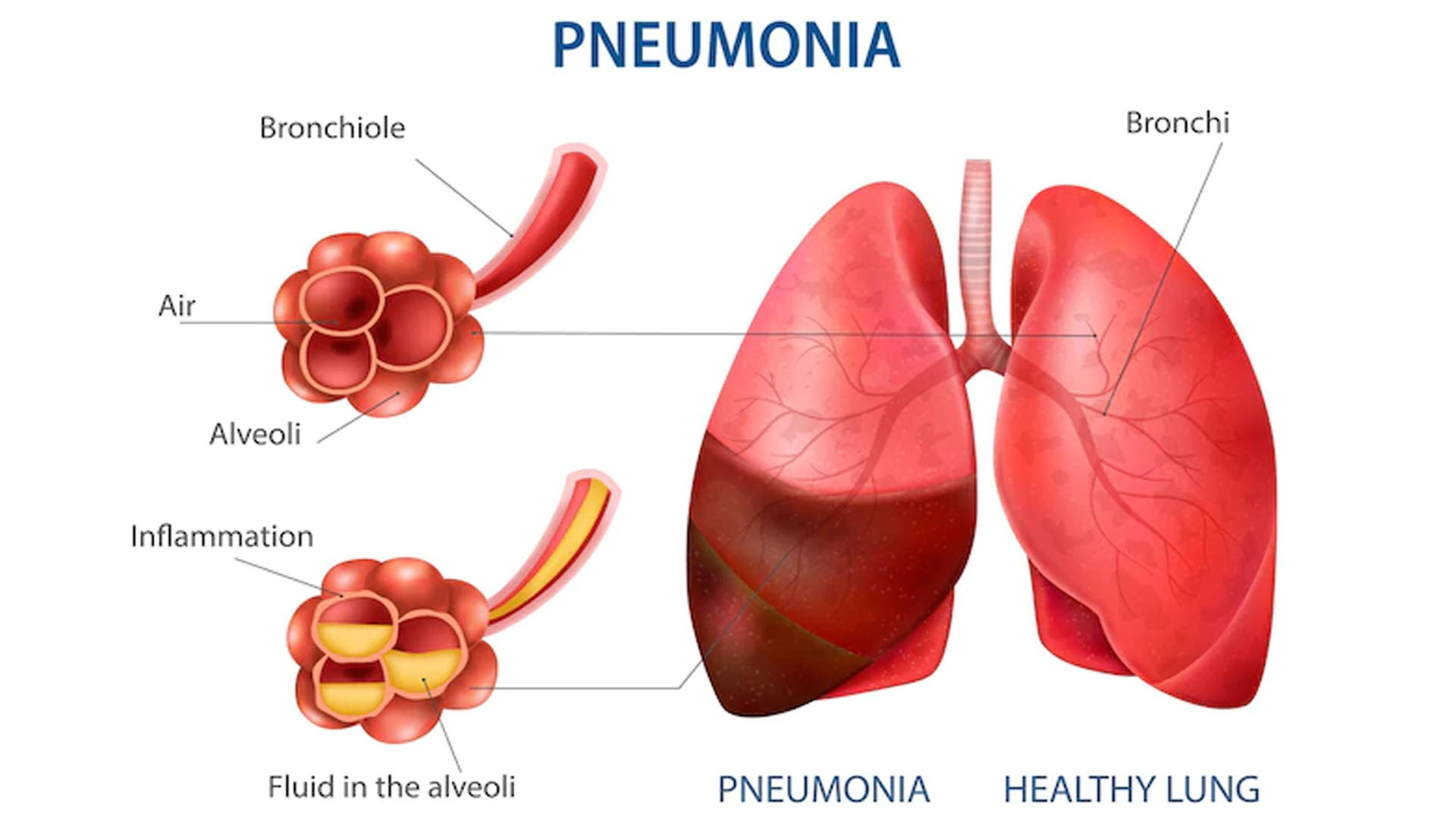
This progressive loss of kidney function typically develops over years. Awareness is vital as early stages often present no symptoms until significant damage has occurred.
- Symptoms: Symptoms may include fatigue, swollen ankles/feet/hands due to fluid retention, changes in urination patterns, or high blood pressure development over time.
- Causes: Common causes are diabetes mellitus and hypertension which contribute significantly to kidney damage if left untreated or poorly managed over time.
Proactive measures taken early on can have a profound impact on slowing down the progression of chronic kidney disease leading toward improved longevity.
ASTHMA
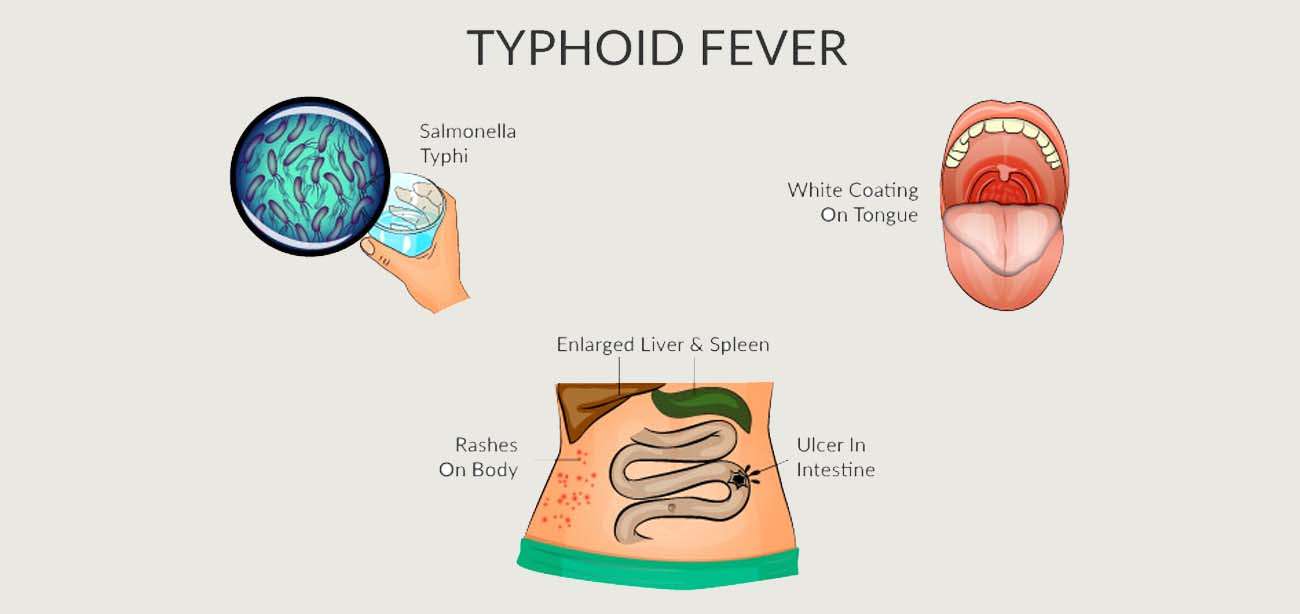
A chronic respiratory condition characterized by difficulty breathing due to inflammation and narrowing of the airways. It is manageable with proper treatment strategies in place.
- Symptoms: Typical symptoms include wheezing, coughing (especially at night), chest tightness, and shortness of breath during physical activity or at rest.
- Causes: Triggers vary but often include allergens (like pollen), irritants (smoke), exercise, and viral infections.
- Diagnosis: Diagnosis usually involves a physical examination followed by lung function tests to assess how well air flows out of the lungs.
- Treatment: Treatments may consist of inhalers containing bronchodilators for immediate relief along with anti-inflammatory medications for long-term management.
- What to expect: With effective treatment plans tailored to individual needs, asthma can be controlled allowing for a normal lifestyle without major limitations on activities.
A proactive approach towards managing asthma leads to fewer flare-ups and better respiratory health overall.
DIABETES MELLITUS
This chronic condition occurs when the body cannot effectively use insulin or does not produce enough of it. Early detection and management are key to maintaining quality of life.
- Symptoms: Common signs include increased thirst, frequent urination, fatigue, and blurred vision.
- Causes: Factors can include genetics, obesity, age, and sedentary lifestyle choices that affect insulin sensitivity.
- Diagnosis: Blood tests measuring glucose levels help confirm diabetes. A hemoglobin A1c test can also provide information about average blood sugar levels over time.
- Treatment: Management typically involves lifestyle changes such as diet improvement and physical activity alongside medication or insulin therapy when necessary.
- What to expect: With proper management practices in place, many patients can lead fulfilling lives without severe complications from diabetes.
Early intervention in diabetes can significantly improve health outcomes and enhance overall well-being.
HYPERTENSION
Hypertension, or high blood pressure, is a common condition that affects millions of people worldwide. It often requires ongoing management to prevent serious complications.
- Symptoms: Many individuals may not experience noticeable symptoms, but some might have headaches, shortness of breath, or nosebleeds.
- Causes: Risk factors include obesity, lack of physical activity, poor diet, alcohol consumption, and stress.
- Diagnosis: Blood pressure readings are taken using a sphygmomanometer during regular check-ups. Additional tests may be conducted to evaluate overall health.
- Treatment: Management may involve lifestyle changes such as improved diet and exercise, alongside medications like diuretics or ACE inhibitors.
- What to expect: Regular monitoring is crucial. Patients can manage their condition effectively with adherence to prescribed treatments and follow-up visits.
Understanding hypertension is essential for maintaining cardiovascular health and preventing long-term complications such as heart disease or stroke.