
Dr Jaya Maheshwar
About Me
Dr Jaya Maheshwar
MS
Gynecologist
10 Years Experience
Biography
Dr. Jaya Maheshwari is a highly experienced Laparoscopic and General Surgeon based in Jaipur, Rajasthan, known for her expertise in advanced proctology and minimally invasive surgical procedures. She currently heads the Department of Advanced Proctology and Laparoscopic Surgery at Jyoti Nursing Home, Vishwakarma Industrial Area, Jaipur.
With more than two decades of clinical experience, Dr. Jaya Maheshwari has successfully performed thousands of surgeries involving piles, fissures, fistula, hernia, constipation, and other gastrointestinal and anorectal disorders. She is widely recognized for adopting modern minimally invasive and laser-assisted surgical techniques that help patients recover faster with reduced pain and shorter hospital stays.
Dr. Maheshwari completed her MBBS and MS in General Surgery and has received specialized training in laparoscopic and minimal access surgery. Her commitment to quality healthcare and patient-centered treatment has helped establish one of Rajasthan’s leading centers for proctology and laparoscopic care.
Apart from her surgical expertise, she is appreciated for her compassionate approach, detailed patient counseling, and dedication to improving patient outcomes. Under her leadership, Jyoti Nursing Home has become known for advanced surgical care, modern infrastructure, and multidisciplinary treatment services.
Clinic Address: Road No. 4, Opposite SBI Bank, Near Police Station, Sikar Road, Vishwakarma Industrial Area, Murlipura, Jaipur, Rajasthan – 302013, India
Phone: +91 9314404024
My Clinic
OPD Hours
| Monday | Morning | 10:00 AM | - | 02:00 PM |
| Evening | 06:00 PM | - | 09:00 PM | |
| Tuesday | Morning | 10:00 AM | - | 02:00 PM |
| Evening | 06:00 PM | - | 09:00 PM | |
| Wednesday | Morning | 10:00 AM | - | 02:00 PM |
| Evening | 06:00 PM | - | 09:00 PM | |
| Thursday | Morning | 10:00 AM | - | 02:00 PM |
| Evening | 06:00 PM | - | 09:00 PM | |
| Friday | Morning | 10:00 AM | - | 02:00 PM |
| Evening | 06:00 PM | - | 09:00 PM | |
| Saturday | Morning | 10:00 AM | - | 02:00 PM |
| Evening | 06:00 PM | - | 09:00 PM | |
| Sunday | Morning | 10:00 AM | - | 02:00 PM |
| Evening | 06:00 PM | - | 09:00 PM |
Treatments
Specialised care and treatments offered
PELVIC INFLAMMATORY DISEASE (PID)
Pelvic Inflammatory Disease is an infection of the female reproductive organs that can lead to serious complications if untreated. It often arises from sexually transmitted infections (STIs) that spread upward from the vagina into the reproductive tract;
.- PID is characterized by::
• Symptoms include persistent abdominal pain accompanied by abnormal discharge
• STI testing and pelvic examinations play critical roles in diagnosing PID.
• Treatment typically involves antibiotics to eliminate infection,
• In severe cases requiring hospitalization due acute complications surgeries may become necessary.
UTERINE FIBROIDS
Uterine fibroids are noncancerous growths of the uterus that often appear during childbearing years. Though many women experience them without symptoms, some may face complications requiring treatment due to associated discomfort or heavy bleeding conditions.
- Painful periods, heavy bleeding between periods, and pressure symptoms such as frequent urination might be reported by those affected by fibroids.
- A physical examination along with imaging studies like ultrasounds confirms their presence almost universally among diagnosed cases.
- Treatment ranges from watchful waiting in asymptomatic cases to medications such as hormonal therapy or minimally invasive procedures aimed at reducing size/impact when necessary.
A personalized approach ensures optimal outcomes while balancing everyday lives against potential fibroid-related consequences whenever needed professional assistance is sought out early on in the process!
OVARIAN CYSTS
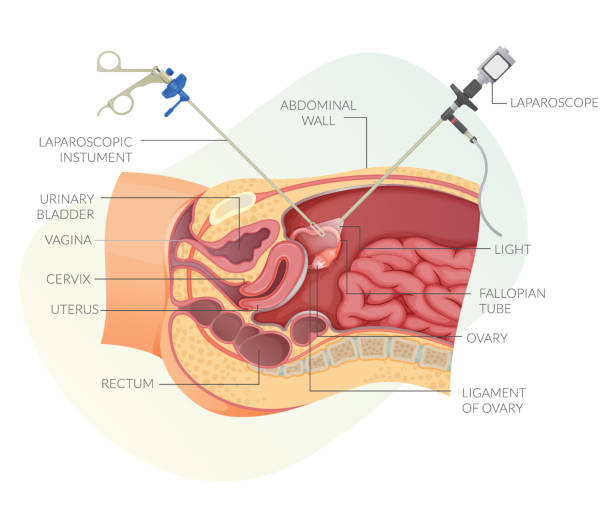
Ovarian cysts are fluid-filled sacs that develop on the ovaries. They are quite common and usually harmless but can sometimes cause discomfort or more serious problems if they rupture or cause other complications.
- The majority of ovarian cysts present no symptoms; however, some may cause pelvic pain or pressure when large enough.
- An ultrasound is typically used for diagnosis alongside a review of medical history and physical examination results.
- Treatment can vary: many cysts resolve on their own without intervention; however, persistent ones may require monitoring or surgical removal if symptomatic or concerning in nature.
- Cysts often do not affect fertility; understanding their behavior is key in patient management plans.
Regular follow-ups ensure any changes in cysts are appropriately managed without undue worry for patients.
MENORRHAGIA
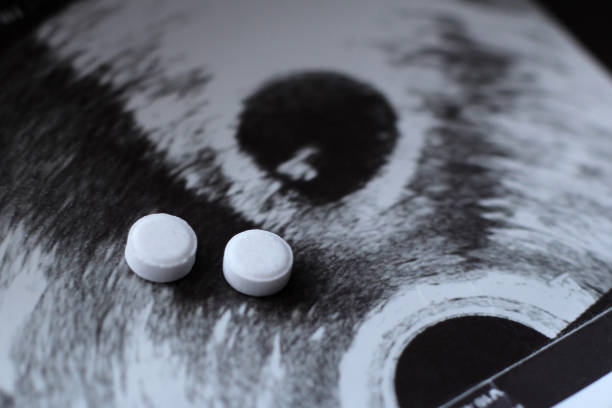
Menorrhagia refers to abnormally heavy or prolonged menstrual bleeding. It can greatly affect a woman's daily activities and quality of life if not properly addressed.
- Symptoms include soaking through one or more sanitary pads or tampons every hour for several consecutive hours and bleeding that lasts longer than seven days.
- Causes may vary widely from hormonal imbalances to uterine fibroids; identifying the root cause is crucial for effective treatment.
- A comprehensive assessment often includes physical exams, blood tests, or imaging studies to pinpoint underlying issues.
- Treatment options may involve hormonal therapy, medication to reduce bleeding, or surgical procedures depending on severity and cause.
Addressing menorrhagia helps restore normalcy in menstrual cycles and enhances overall health outcomes for affected individuals.
ENDOMETRIOSIS

This chronic condition occurs when tissue similar to the lining inside the uterus grows outside it, causing pain and potentially leading to fertility issues. Many women are unaware they have endometriosis until they seek treatment for pelvic pain.
- Painful periods, pelvic pain outside menstruation, and pain during intercourse are common symptoms.
- A thorough evaluation including pelvic exams and imaging tests like ultrasounds or MRIs helps confirm diagnosis.
- Treatment may include medications for pain relief, hormonal therapies, or surgical options in severe cases.
- Managing endometriosis effectively often requires a multidisciplinary approach aimed at alleviating symptoms while preserving reproductive health.
Effective management strategies can significantly improve quality of life for those affected by this condition.
POLYCYSTIC OVARY SYNDROME (PCOS)

Polycystic Ovary Syndrome is a common hormonal disorder affecting women of reproductive age. It often leads to a range of symptoms that can impact overall health and well-being.
- Symptoms may include irregular menstrual cycles, excessive hair growth, and weight gain.
- Diagnosis typically involves blood tests to check hormone levels and an ultrasound to assess the ovaries.
- Treatment options focus on managing symptoms and may include lifestyle changes, medications to regulate menstruation, and fertility treatments if applicable.
- It’s crucial to monitor the condition over time to prevent complications such as diabetes or heart disease.
With appropriate management, women with PCOS can lead healthy lives and minimize the impact of this condition.