
Dr Jayalaxmi Chandr.aan
About Me
Dr Jayalaxmi Chandr.aan
General Physician
Biography
My Clinic
OPD Hours
| Tuesday | Morning | 10:00 AM | - | 02:00 PM |
| Evening | 06:00 PM | - | 09:00 PM | |
| Wednesday | Morning | 10:00 AM | - | 02:00 PM |
| Evening | 06:00 PM | - | 09:00 PM | |
| Thursday | Morning | 10:00 AM | - | 02:00 PM |
| Evening | 06:00 PM | - | 09:00 PM | |
| Friday | Morning | 10:00 AM | - | 02:00 PM |
| Evening | 06:00 PM | - | 09:00 PM | |
| Saturday | Morning | 10:00 AM | - | 02:00 PM |
| Evening | 06:00 PM | - | 09:00 PM | |
| Sunday | Morning | 10:00 AM | - | 02:00 PM |
| Evening | 06:00 PM | - | 09:00 PM | |
| Thursday | Morning | 10:00 AM | - | 02:00 PM |
| Evening | 06:00 PM | - | 09:00 PM |
Treatments
Specialised care and treatments offered
PREVENTIVE HEALTH SCREENINGS
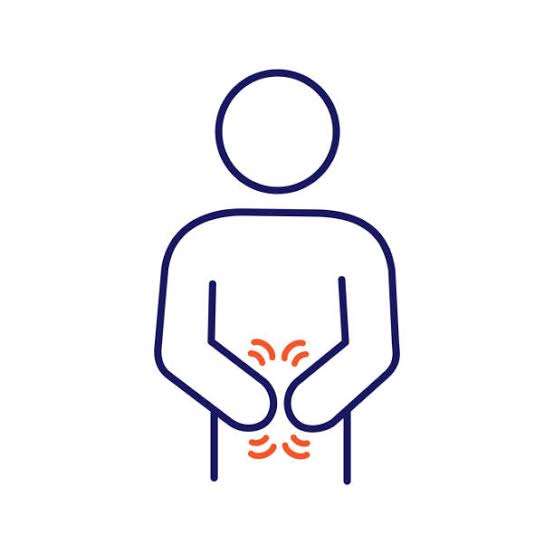
Preventive health screenings are essential tools for identifying potential health issues before they become serious problems. Regular screenings enable early intervention which significantly improves outcomes across various conditions over time..
- Common screenings include cholesterol checks , blood pressure measurements , cancer screenings such as mammograms or colonoscopies depending age group guidelines specified where applicable at different life stages .
- Most assessments require little preparation other than being clear about any recent illnesses prior arrival ensuring accurate results achieved overall during evaluation periods booked appropriately based upon individual guidelines recommended.
- Results inform personalized recommendations based upon findings leading actionable steps taken towards improving overall wellness thereafter following discussions held throughout ongoing appointments checking back frequently enough permitted so adjustments tailored when necessary remain accessible still all clients shall feel reassured throughout journey together shared aim ultimately preserving best personal futures envisioned ahead looking forward indefinitely!
Engaging regularly within preventive practices allows patients seize full advantage preventative efforts dignifying future prospects holistically embraced positively inspiring communities flourish also collectively contributing societal well-being no less than ourselves included!
GASTROESOPHAGEAL REFLUX DISEASE (GERD)

This common digestive disorder occurs when stomach acid frequently flows back into the esophagus. Recognizing its symptoms early on is vital for effective management and avoiding further complications from chronic exposure to acidic contents.
- Symptoms typically include heartburn , regurgitation , difficulty swallowing , or a sore throat depending on severity .
- Diagnosis relies heavily upon patient-reported symptoms alongside specialized tests like endoscopy should there be concerns regarding damage caused by acid reflux over time .
- Treatment primarily incorporates dietary changes aimed at avoiding trigger foods such as fatty meals along with maintaining upright posture post meal consumption where possible .
- Medications may also play an essential role ; antacids help neutralize stomach acids quickly while proton pump inhibitors reduce acid production long-term management over time becomes feasible through lifestyle adherence coupled with medical support channels available .
With proper understanding , those suffering from GERD can live comfortably without depending solely on medication every day afterwards too!
OBESITY MANAGEMENT

Obesity is defined by an excess of body fat that increases the risk of chronic illnesses. Addressing obesity requires a multifaceted approach that includes behavioral modifications and nutritional guidance tailored for each individual.
- The main causes include excessive caloric intake combined with insufficient physical activity; genetics may also play a role in predisposition towards obesity.
- Diverse methods exist for diagnosis including body mass index (BMI) calculations which categorize weight status into ranges such as underweight, normal weight, overweight, or obese.
- Treatment emphasizes significant lifestyle changes involving diets rich in antioxidants, increased physical activity levels among adults and children alike.
- Counseling sessions focused on behavior modification often accompany these changes to support long-term commitment .
- Regular check-ins with healthcare providers provide encouragement while tracking progress motivates sustained efforts.
By taking proactive steps towards weight loss through healthy habits , patients can lower their risks related illness significantly .
ASTHMA MANAGEMENT
Asthma is a chronic respiratory condition that affects the airways in your lungs. Understanding triggers and implementing effective management strategies can significantly improve breathing quality and overall wellbeing.
- The most common symptoms include persistent coughs, wheezing, chest tightness, and shortness of breath that vary in intensity among individuals.
- Diagnosis often involves lung function tests to evaluate airflow obstruction and possible reversibility after inhalation of bronchodilators.
- Treatment usually focuses on avoiding known triggers along with medications like inhalers containing corticosteroids or bronchodilators for symptom relief.
- Patient education plays a critical role in recognizing early signs of an asthma attack; having an action plan ready can be lifesaving.
- Continuous follow-up care helps adjust treatment plans according to patient needs and response to therapy.
A well-managed asthma plan enables individuals to lead active lifestyles while minimizing exacerbations or emergency situations effectively.
DIABETES MANAGEMENT

Diabetes is a metabolic disorder characterized by high blood sugar levels. Managing diabetes effectively involves understanding the condition and making informed lifestyle choices.
- The two primary types are Type 1 and Type 2 diabetes; both conditions have distinct causes but can lead to similar complications over time.
- Diagnosis is commonly achieved through blood tests that measure glucose levels; fasting blood sugar tests are particularly standard.
- Treatment includes dietary changes like reducing carbohydrate intake, engaging in regular exercise, and monitoring blood sugar levels consistently.
- In some cases, medication or insulin therapy might be required to help maintain optimal glucose control.
- Regular check-ups are essential for preventing complications associated with the disease, such as neuropathy or cardiovascular issues.
A proactive approach towards managing diabetes can greatly enhance quality of life and prevent long-term health problems.
HYPERTENSION
Hypertension, or high blood pressure, is a common condition that can lead to serious health issues if left uncontrolled. It often presents with no symptoms, which is why regular monitoring is essential.
- Symptoms may include headaches, shortness of breath, or nosebleeds, although many individuals remain asymptomatic.
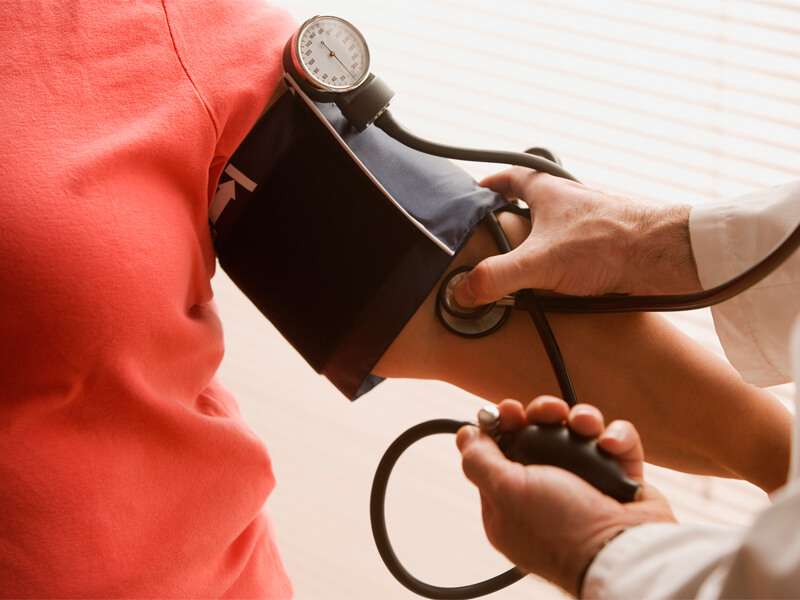
- Diagnosis typically involves measuring blood pressure using a sphygmomanometer during a routine check-up.
- Treatment options include lifestyle modifications such as reducing salt intake, increasing physical activity, and maintaining a healthy weight.
- Medications may also be prescribed based on individual risk factors and overall health goals.
- It's crucial to monitor blood pressure regularly and make adjustments to treatment as necessary for effective management.
By adopting healthier lifestyle choices and adhering to prescribed treatments, individuals with hypertension can lead normal lives without complications.