
Dr Jayaram Shetty
About Me
Dr Jayaram Shetty
Pediatrician
Biography
My Clinic
OPD Hours
| Tuesday | Morning | 10:00 AM | - | 02:00 PM |
| Evening | 06:00 PM | - | 09:00 PM | |
| Wednesday | Morning | 10:00 AM | - | 02:00 PM |
| Evening | 06:00 PM | - | 09:00 PM | |
| Thursday | Morning | 10:00 AM | - | 02:00 PM |
| Evening | 06:00 PM | - | 09:00 PM | |
| Friday | Morning | 10:00 AM | - | 02:00 PM |
| Evening | 06:00 PM | - | 09:00 PM | |
| Saturday | Morning | 10:00 AM | - | 02:00 PM |
| Evening | 06:00 PM | - | 09:00 PM | |
| Sunday | Morning | 10:00 AM | - | 02:00 PM |
| Evening | 06:00 PM | - | 09:00 PM | |
| Thursday | Morning | 10:00 AM | - | 02:00 PM |
| Evening | 06:00 PM | - | 09:00 PM |
Treatments
Specialised care and treatments offered
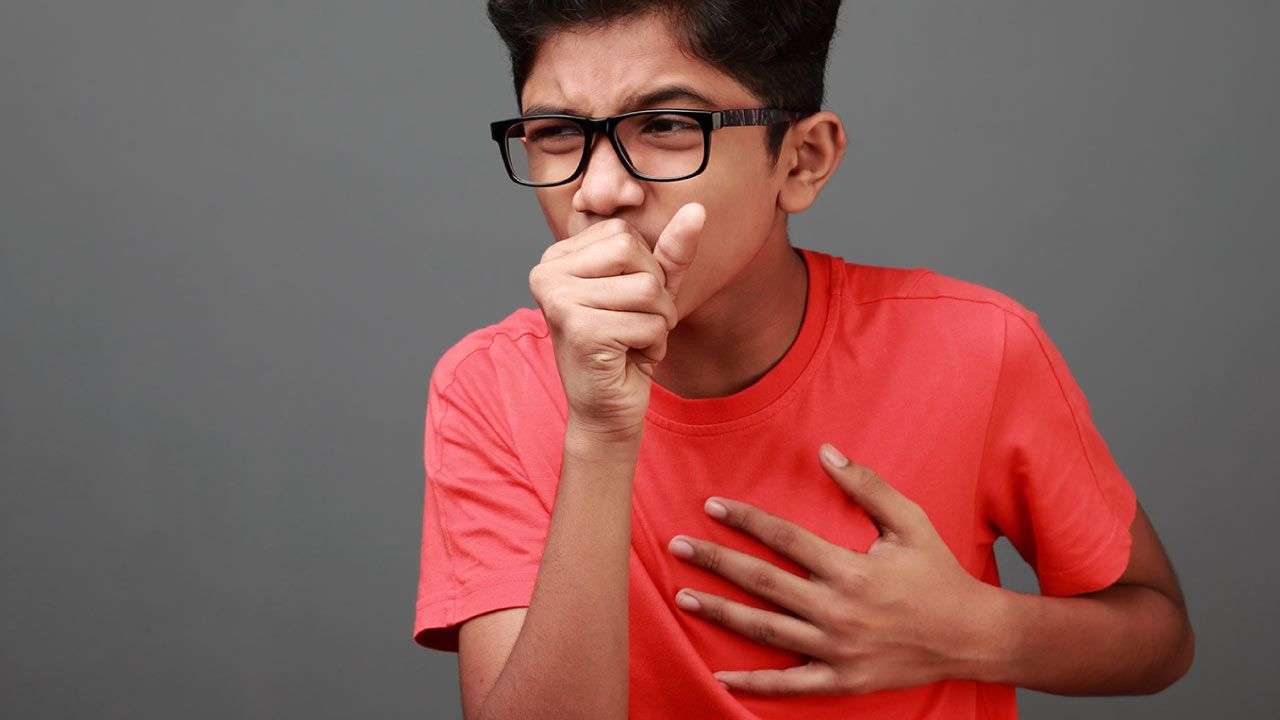
CROUP

Croup is a common respiratory illness in young children associated with swelling in the airways. It typically occurs after a viral infection such as a cold or flu-like illness
.- .
CHICKENPOX

This viral infection is highly contagious and primarily affects children. Chickenpox results in an itchy rash and flu-like symptoms as the body fights off the virus.
- Symptoms: Initial signs include fever, fatigue, loss of appetite followed by an itchy red rash that develops into fluid-filled blisters.
- Causes: It is caused by the varicella-zoster virus; transmission occurs through respiratory droplets or direct contact with lesions.
- Diagnosis:Disease confirmation usually comes from evaluating the characteristic rash along with patient history concerning exposure to infected individuals.
ECZEMA
Eczema is a chronic skin condition that often begins in childhood. It causes itchy, red patches on the skin making it uncomfortable for kids.
- Symptoms: Signs include dry skin, intense itching, redness, and sometimes oozing blisters during flare-ups.
- Causes: Genetics and environmental factors contribute to the development of eczema; common triggers can be irritants or allergens.
- Diagnosis: Diagnosis typically involves a thorough examination of the skin along with a discussion about family history.
- Treatment: Management focuses on keeping the skin moisturized using topical creams or ointments prescribed by a pediatrician.
Pediatric management aims not only to relieve current symptoms but also to prevent future flare-ups through education about skin care routines.
ATTENTION DEFICIT HYPERACTIVITY DISORDER (ADHD)

ADHD is a neurodevelopmental disorder characterized by persistent patterns of inattention and/or hyperactivity. It often appears in early childhood and can continue into adolescence.
- Symptoms: Symptoms include difficulty focusing, impulsive actions, and hyperactive behaviors.
- Causes: The exact cause is unclear but genetic factors play a significant role along with environmental influences.
- Diagnosis: Comprehensive assessments involve behavioral evaluations from parents and teachers along with standardized tests.
- Treatment: Treatment may include behavioral therapy and medications to enhance concentration and self-control.
- Management: Creating structured environments at home and school is crucial for helping children thrive.
A supportive approach can greatly assist children in managing their ADHD symptoms effectively.
ASTHMA
Asthma is a chronic respiratory condition commonly affecting children. It leads to difficulty in breathing due to inflammation and narrowing of the airways.
- Symptoms: Common signs include wheezing, coughing, shortness of breath, and chest tightness.
- Causes: Triggers can include allergens like pollen, dust mites, pet dander, cold air, or exercise.
- Diagnosis: A pediatrician may use spirometry tests and assess medical history to diagnose asthma.
- Treatment: Options range from inhalers that help open the airways to oral medications for inflammation.
- Management: Avoiding triggers and having an action plan can significantly improve quality of life.
If managed well with proper medication and lifestyle adjustments, children with asthma can lead healthy lives.