
Dr Jayesh Desai
About Me
Dr Jayesh Desai
Internal Medicine
Biography
My Clinic
OPD Hours
| Tuesday | Morning | 10:00 AM | - | 02:00 PM |
| Evening | 06:00 PM | - | 09:00 PM | |
| Wednesday | Morning | 10:00 AM | - | 02:00 PM |
| Evening | 06:00 PM | - | 09:00 PM | |
| Thursday | Morning | 10:00 AM | - | 02:00 PM |
| Evening | 06:00 PM | - | 09:00 PM | |
| Friday | Morning | 10:00 AM | - | 02:00 PM |
| Evening | 06:00 PM | - | 09:00 PM | |
| Saturday | Morning | 10:00 AM | - | 02:00 PM |
| Evening | 06:00 PM | - | 09:00 PM | |
| Sunday | Morning | 10:00 AM | - | 02:00 PM |
| Evening | 06:00 PM | - | 09:00 PM | |
| Thursday | Morning | 10:00 AM | - | 02:00 PM |
| Evening | 06:00 PM | - | 09:00 PM |
Treatments
Specialised care and treatments offered
GASTROESOPHAGEAL REFLUX DISEASE (GERD)
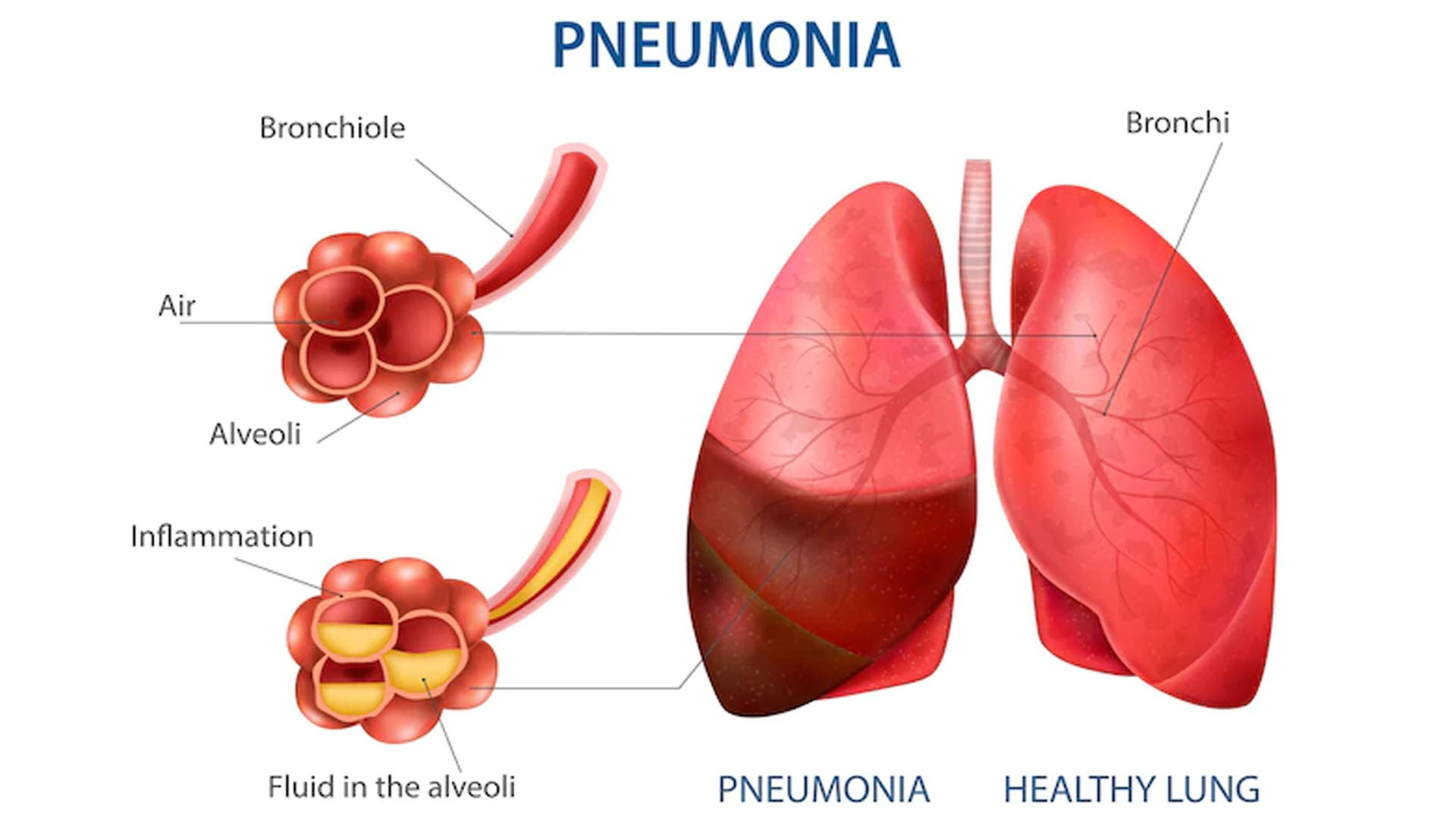
This chronic digestive condition occurs when stomach acid frequently flows back into the esophagus. Understanding GERD helps in its effective management for improved comfort overall.
- Main Symptoms: Heartburn is the most common symptom; however, regurgitation or difficulty swallowing may also indicate GERD presence.
- Causative Factors: Poor dietary choices, obesity, pregnancy, smoking habits can exacerbate symptoms significantly over time.
CHRONIC OBSTRUCTIVE PULMONARY DISEASE (COPD)
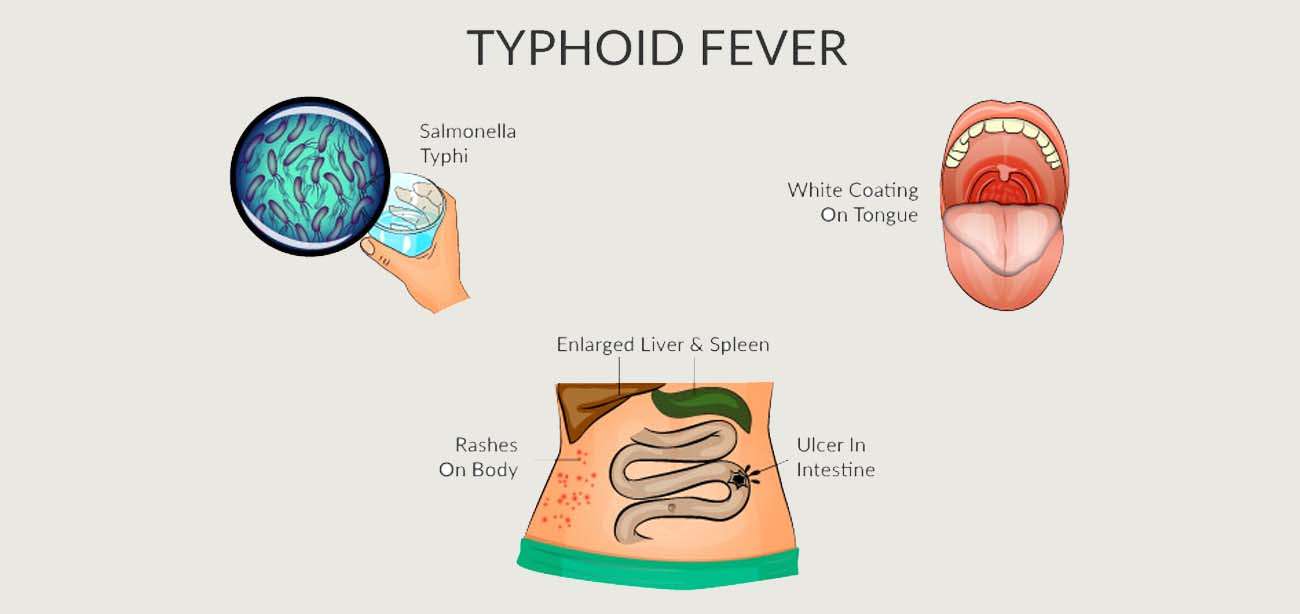
COPD is a progressive lung disease that makes breathing difficult and is primarily caused by long-term exposure to harmful substances. Early diagnosis plays a critical role in managing the condition effectively.
- Main Symptoms: Chronic cough, wheezing, chest tightness, and increasing breathlessness during physical activities are common signs of COPD.
- Main Causes: Smoking is the leading cause; however, exposure to pollutants or long-term lung infections can also contribute significantly.
- Diagnosis Methods: Pulmonary function tests such as spirometry help assess lung function while imaging techniques provide visual insights into lung health.
- Treatment Strategies: Quitting smoking is paramount. Medications including bronchodilators or steroids may be prescribed to ease symptoms and improve lung function.
A comprehensive management plan will focus on improving quality of life and slowing disease progression through active patient involvement and healthcare support.
DIABETES MELLITUS
This metabolic disorder affects how your body processes glucose. Understanding diabetes is key to managing it effectively and leading a healthy life.
- Types: There are mainly two types: Type 1 (insulin-dependent) and Type 2 (insulin resistance).
- Symptoms: Increased thirst, frequent urination, extreme fatigue, and blurred vision are common indicators.
- Diagnosis: Blood tests measuring glucose levels help determine diabetes status through fasting or random blood sugar tests.
- Treatment Methods: Management might involve lifestyle modifications like diet control along with medications or insulin therapy as per individual needs.
- Monitoring: Regular blood sugar checks are vital for adjusting treatment plans effectively.
A proactive approach helps maintain good health and reduces the risk of complications associated with diabetes.
HYPERTENSION
Hypertension, commonly known as high blood pressure, is a condition that can lead to serious health issues if left unmanaged. It often has no noticeable symptoms, making regular check-ups crucial for early detection.
- Symptoms: Most individuals may not experience obvious symptoms. However, headaches, shortness of breath, and nosebleeds can occur in some cases.
- Causes: Risk factors include obesity, lack of physical activity, excessive salt intake, smoking, and genetics.
- Diagnosis: Blood pressure readings taken during routine office visits are the standard diagnostic method.
- Treatment Options: Lifestyle changes such as diet improvements and exercise are essential. Medication may be prescribed based on the severity of the condition.
- What to Expect: Regular monitoring will be necessary to manage hypertension effectively and prevent complications.
With appropriate management plans in place, individuals with hypertension can lead normal and healthy lives.