
Dr Jayshree Thakore Eye
About Me
Dr Jayshree Thakore Eye
Dietitian
Biography
My Clinic
OPD Hours
| Tuesday | Morning | 10:00 AM | - | 02:00 PM |
| Evening | 06:00 PM | - | 09:00 PM | |
| Wednesday | Morning | 10:00 AM | - | 02:00 PM |
| Evening | 06:00 PM | - | 09:00 PM | |
| Thursday | Morning | 10:00 AM | - | 02:00 PM |
| Evening | 06:00 PM | - | 09:00 PM | |
| Friday | Morning | 10:00 AM | - | 02:00 PM |
| Evening | 06:00 PM | - | 09:00 PM | |
| Saturday | Morning | 10:00 AM | - | 02:00 PM |
| Evening | 06:00 PM | - | 09:00 PM | |
| Sunday | Morning | 10:00 AM | - | 02:00 PM |
| Evening | 06:00 PM | - | 09:00 PM | |
| Thursday | Morning | 10:00 AM | - | 02:00 PM |
| Evening | 06:00 PM | - | 09:00 PM |
Treatments
Specialised care and treatments offered
PLANT-BASED DIET GUIDANCE

The rise in plant-based eating reflects growing awareness regarding sustainability alongside health benefits tied directly towards adopting such lifestyles. Professional guidance facilitates navigating these transitions seamlessly towards nutritious balance amid elimination of animal products .
- Symptoms indicating possible deficiencies might arise if improperly balanced leading toward fatigue less immune function could surface if critical nutrients are overlooked .
- Initial assessments involve identifying preferences plus current consumption patterns facilitating educational opportunities enhancing understanding regarding key components required necessary throughout entire transition process .
- Ongoing support remains key encouraging experimentation while advising supplementation where needed addressing concerns surrounding protein iron calcium omega-3 fatty acids collaborative approach builds confidence among adherents long-term adjustments needed per individual basis regularly monitored closely upon significant shifts within overall wellness achieved once implemented correctly thereafter continuously adapting further phases accordingly reflecting evolving goals satisfactorily achieved .
Evolving towards plant-based options proves immensely rewarding fostering healthier lifestyles yielding positive environmental impacts alongside personal experiences over time transforming lives together positively!
SPORTS NUTRITION PLANNING

The relationship between nutrition and athletic performance is paramount; hence sports nutrition planning offers tailored dietary solutions suited specifically for athletes or active individuals aiming to enhance performance or recovery times.
- Symptoms related to insufficient nutrition may manifest as fatigue during workouts or slower recovery rates post-exercise.
- A comprehensive evaluation assesses training routines alongside current eating habits impacting performance.
- Personalized meal planning ensures optimal nutrient timing around training sessions designed specifically based on physical demands involved .
- Integration into daily routines guides meal prep processes aiding sustainability over time without sacrificing enjoyment whilst fueling properly .
- Participants should anticipate improved endurance levels coupled with faster recovery after engaging consistently within this program structure .
Investing in effective sports nutrition translates into tangible benefits both physically mentally establishing foundations upon which success builds steadily upward moving forward .
HEART-HEALTHY EATING PLANS
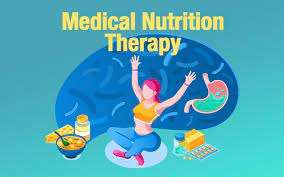
A heart-healthy eating plan plays a crucial role in preventing cardiovascular diseases. This specialized diet emphasizes nutrient-rich foods that promote cardiac wellness while managing cholesterol levels effectively.
- Common risk factors include high cholesterol, hypertension, obesity, and inadequate physical activity levels among others.
- Diagnosis might involve lipid panels or blood pressure monitoring by healthcare professionals.
- Effective treatment includes adopting whole grains, lean proteins, fruits, vegetables along with reducing saturated fats and sodium intake.
- Regular consultations allow for tailored advice based on individual risk profiles and co-existing conditions.
- Patients can expect improvements in energy levels along with better overall cardiovascular health following this dietary framework.
This proactive measure is essential not only for those already diagnosed but also serves as preventive care for healthier futures ahead.
DIETARY MANAGEMENT FOR GASTROINTESTINAL DISORDERS
Your gut health significantly affects your overall well-being. Proper dietary management can alleviate symptoms associated with various gastrointestinal disorders, such as irritable bowel syndrome (IBS) or celiac disease.
- Symptoms can range from bloating and gas to more severe issues like diarrhea or constipation, depending on the condition.
- A thorough evaluation often includes patient history reviews along with exclusion diets to identify problematic foods.
- Diet adjustments may involve eliminating specific food groups while ensuring nutritional adequacy through alternative sources.
- This process usually includes tools like food journals or symptom trackers for better monitoring of reactions over time.
- The aim is not only symptom relief but also enhancing digestive health holistically through balanced meals tailored for individual needs.
WEIGHT MANAGEMENT PROGRAMS
Weight management encompasses strategies to achieve and maintain a healthy weight through diet modifications. This process is vital for reducing the risks associated with obesity-related conditions.
- Factors contributing to weight gain can include high-calorie diets, sedentary lifestyles, and genetic predispositions.
- Healthcare providers often use body mass index (BMI) calculations along with dietary assessments to evaluate weight issues.
- Programs typically incorporate personalized meal planning, exercise recommendations, and behavioral therapy techniques for sustained weight loss.
- A strong focus on nutrition education helps clients understand portion sizes and the importance of nutrient-dense foods.
- Persistent engagement with the program is essential, leading to gradual lifestyle adjustments rather than quick fixes.
The goal is a lasting change in habits that leads to healthier living outcomes over time.
NUTRITIONAL COUNSELING FOR DIABETES MANAGEMENT
Managing diabetes effectively requires a comprehensive understanding of nutrition and its impact on blood glucose levels. Nutritional counseling focuses on guiding patients to make informed food choices that can lead to better control of their condition.
- Symptoms of poor management may include fatigue, excessive thirst, and frequent urination.
- Diagnosis typically involves blood tests to measure glucose levels and an assessment by a healthcare professional.
- Effective management may include creating a customized meal plan, education on carbohydrate counting, and incorporating physical activity.
- Psychoeducation is also essential, helping individuals develop coping strategies for dietary changes.
- Expect ongoing support through regular follow-ups to adjust the meal plan as necessary based on progress and lifestyle changes.
This approach aims not just to control diabetes but also to improve overall health and quality of life.