
Dr Jaysing Salve
About Me
Dr Jaysing Salve
Cardiologist
Biography
My Clinic
OPD Hours
| Tuesday | Morning | 10:00 AM | - | 02:00 PM |
| Evening | 06:00 PM | - | 09:00 PM | |
| Wednesday | Morning | 10:00 AM | - | 02:00 PM |
| Evening | 06:00 PM | - | 09:00 PM | |
| Thursday | Morning | 10:00 AM | - | 02:00 PM |
| Evening | 06:00 PM | - | 09:00 PM | |
| Friday | Morning | 10:00 AM | - | 02:00 PM |
| Evening | 06:00 PM | - | 09:00 PM | |
| Saturday | Morning | 10:00 AM | - | 02:00 PM |
| Evening | 06:00 PM | - | 09:00 PM | |
| Sunday | Morning | 10:00 AM | - | 02:00 PM |
| Evening | 06:00 PM | - | 09:00 PM | |
| Thursday | Morning | 10:00 AM | - | 02:00 PM |
| Evening | 06:00 PM | - | 09:00 PM |
Treatments
Specialised care and treatments offered
STRESS MANAGEMENT TECHNIQUES

Chronic stress poses serious implications on cardiovascular health—it directly impacts both brain functioning leading towards eventualities concerning one’s overall physiological well-being! Thus engaging stress-relief practices remains critical particularly focusing upon using positive coping strategies actively incorporated each day!
- Meditation & deep-breathing exercises additionally promotes overall relaxation while lowering one’s baseline anxiety enhancing mood subsequently supporting metabolic regulation & reducing triglyceride levels ultimately benefiting heart health directly!
Through diligent adaptations coupled together concerning regular involvement within enjoyable hobbies makes huge differences appearing beneficial down paths favoring comprehensive emotional/mental clarity fostering longevity across ages ideally becoming central components solidifying groundwork healthy lifestyles preventive actions combating detrimental effects cluttering minds hastening depletion stamina affecting efficiency living fully even longer throughout lifetimes !
LIFESTYLE MODIFICATION FOR HEART HEALTH
Lifestyle modifications play a vital role in maintaining optimal heart health. By making conscious choices regarding diet and physical activity, individuals can markedly reduce their cardiovascular risks over time!
- The foundation lies in nutrition—a balanced diet rich in fruits, vegetables, whole grains contributes significantly toward lowered cardiovascular risk factors!
- Alongside dietary enhancements! Engaging consistently within aerobic exercises such as walking/jogging aids blood circulation resulting positively towards sustaining cardiac output while keeping weight under control!
- Smoking cessation encourages faster recovery & heals respiratory issues contributing further enhancement towards healthy hearts too!
These steps create substantial preventative barriers helping lessen chances faced against potential chronic conditions associated with cardiac dysfunction!
ARRHYTHMIA MANAGEMENT
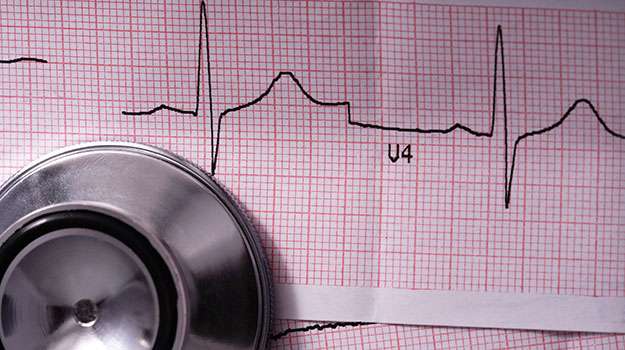
An arrhythmia refers to an irregular heartbeat which can cause various symptoms ranging from palpitations to dizziness. It’s essential to understand these variations in heartbeat types for effective management.
- The primary symptoms sometimes include feeling a fluttering sensation in your chest or fainting episodes due to disrupted blood flow caused by arrhythmias!
- Diagnosis usually involves EKG tests along with history taking about symptoms experienced during irregular rhythms!
- Initial management methods center around lifestyle changes like avoiding stimulants or substances that trigger an irregular heartbeat while promoting overall wellness through activities like yoga!
- Medications may be required based on patient needs along with occasional monitoring processes!
Regular check-ups ensure timely adjustments could be made should treatments need updating allowing for better outcomes long term!
HEART FAILURE MANAGEMENT
Heart failure is a chronic condition where the heart cannot pump enough blood to meet the body's needs. Understanding this condition helps patients manage their symptoms effectively and lead fulfilling lives.
- The most frequent signs include breathe difficulties, fatigue, swelling in the legs or abdomen, and rapid heartbeat during normal activities.
CHOLESTEROL MANAGEMENT
High cholesterol is a prevalent issue that can greatly increase the risk of heart disease. Understanding cholesterol levels and how they affect cardiovascular health is crucial for prevention and management.
- The two main types of cholesterol are LDL (bad cholesterol), which can contribute to plaque buildup in arteries, and HDL (good cholesterol), which helps remove LDL from the bloodstream.
- The condition is diagnosed through a simple blood test that measures various lipid levels in your system.
- Treatment often starts with lifestyle changes such as improving diet by reducing saturated fats, increasing fiber intake, and incorporating more physical activities into daily routines.
- If necessary, medications may be prescribed to help lower cholesterol levels effectively.
- Caring for your heart through regular check-ups allows for ongoing evaluation and effective management of cholesterol levels.
A proactive approach can lead to better long-term health outcomes and reduce the risk of serious complications from heart disease.
HYPERTENSION MANAGEMENT
Hypertension, or high blood pressure, is a common condition that can lead to serious health issues if not managed properly. Many individuals are unaware they have hypertension, as it often presents no obvious symptoms until significant damage has occurred.
- Common symptoms include headaches, shortness of breath, and nosebleeds, though many people may feel fine.
- Diagnosis typically involves measuring blood pressure multiple times and may include additional tests to check for underlying causes.
- Treatment strategies usually focus on lifestyle changes such as dietary modifications, regular physical activity, and possibly medication to help control blood pressure levels.
- Managing stress and limiting alcohol consumption are also important factors in controlling hypertension.
- Regular monitoring is essential. Patients should schedule follow-up visits to track their progress and make necessary adjustments to their treatment plan.
Proper management can significantly reduce the risk of complications such as heart disease or stroke, promoting a healthier lifestyle overall.