
Dr Jeevan Jain
About Me
Dr Jeevan Jain
General Physician
Biography
My Clinic
OPD Hours
| Tuesday | Morning | 10:00 AM | - | 02:00 PM |
| Evening | 06:00 PM | - | 09:00 PM | |
| Wednesday | Morning | 10:00 AM | - | 02:00 PM |
| Evening | 06:00 PM | - | 09:00 PM | |
| Thursday | Morning | 10:00 AM | - | 02:00 PM |
| Evening | 06:00 PM | - | 09:00 PM | |
| Friday | Morning | 10:00 AM | - | 02:00 PM |
| Evening | 06:00 PM | - | 09:00 PM | |
| Saturday | Morning | 10:00 AM | - | 02:00 PM |
| Evening | 06:00 PM | - | 09:00 PM | |
| Sunday | Morning | 10:00 AM | - | 02:00 PM |
| Evening | 06:00 PM | - | 09:00 PM | |
| Thursday | Morning | 10:00 AM | - | 02:00 PM |
| Evening | 06:00 PM | - | 09:00 PM |
Treatments
Specialised care and treatments offered
ALLERGY TESTING
Allergies occur when the immune system reacts adversely to certain substances known as allergens. Identifying specific allergies through testing can enhance quality of life by avoiding triggers effectively.
- Symptoms commonly associated with allergies include sneezing, itching, rashes, or gastrointestinal issues depending on the allergen type involved
- Percutaneous skin tests or blood tests can pinpoint specific allergens accurately during diagnosis
- Various treatment options exist including antihistamines for immediate relief; avoidance strategies play a critical role in long-term management
Understanding allergy management empowers patients to lead fulfilling lives free from the discomfort caused by allergic responses
WEIGHT MANAGEMENT PROGRAMS

Maintaining a healthy weight is crucial for overall well-being. Weight management programs are tailored plans designed to help individuals reach their weight goals through sustainable practices.
- Common indicators of unhealthy weight include obesity-related conditions such as diabetes or joint issues caused by excess weight stress on the body
- A detailed health evaluation helps in creating personalized goals based on individual needs and challenges faced by each patient
- This might involve dietary advice focused on balanced nutrition along with an exercise regimen suitable for each person’s fitness level
Sustainable weight management fosters healthier living practices that enhance both physical appearance and overall health status over time.
CHOLESTEROL MANAGEMENT

Elevated cholesterol levels can pose significant risks for cardiovascular health. Understanding cholesterol levels is essential for maintaining heart health and preventing diseases like atherosclerosis.
- The primary symptoms are usually absent but might manifest as chest pain or nausea during physical exertion due to blocked arteries over time.
- A lipid panel test measures total cholesterol levels along with LDL (bad) and HDL (good) cholesterol for accurate assessment.
- Treatment generally includes dietary modifications such as reducing saturated fats alongside physical activity; statin medications may also be prescribed
An informed approach to cholesterol management promotes a healthier lifestyle while reducing heart-related risks significantly.
RESPIRATORY INFECTIONS TREATMENT
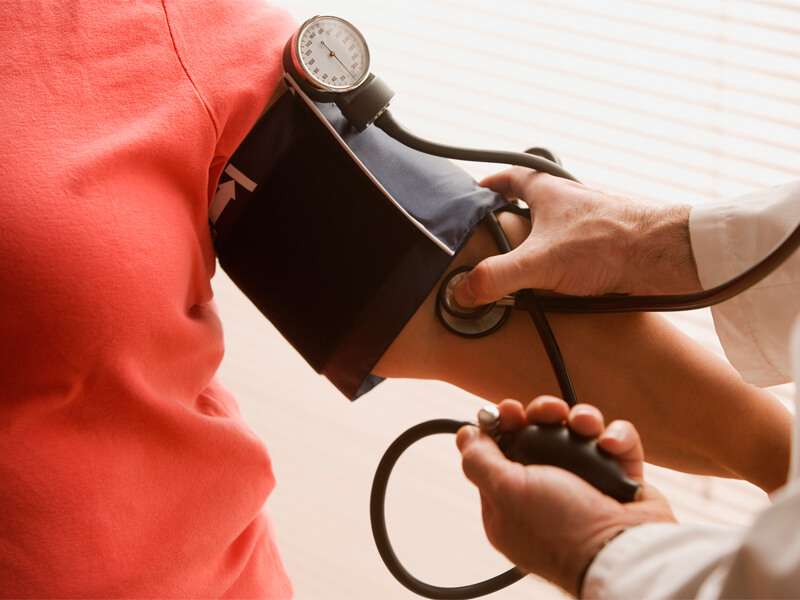
Respiratory infections are common illnesses affecting the airways and lungs. They can range from mild conditions like the common cold to more severe infections such as pneumonia.
- Common symptoms include cough, sore throat, fever, and difficulty breathing depending on the severity of the infection.
- A thorough examination along with chest X-rays or sputum tests help diagnose these conditions accurately.
- Treatment may involve rest, hydration, over-the-counter medications for symptomatic relief, or antibiotics if a bacterial infection is identified.
- Lifestyle adjustments such as avoiding smoke exposure can aid recovery and prevent future infections.
Taking prompt action against respiratory infections ensures quicker recovery while minimizing potential complications.
DIABETES SCREENING

Diabetes is a chronic condition that affects how your body processes glucose. Early detection through screening is vital for effective management and prevention of complications.
- The main symptoms include increased thirst, frequent urination, extreme fatigue, and blurred vision.
- Screening methods often involve fasting blood tests or oral glucose tolerance tests to accurately measure blood sugar levels.
- Management strategies might include lifestyle modifications such as healthier eating habits and regular exercise complemented by medication when needed.
- Patients should monitor their blood sugar levels regularly and maintain consistent follow-ups with their healthcare provider.
A comprehensive approach helps in managing diabetes effectively and reduces the risk of long-term complications.
HYPERTENSION MANAGEMENT

High blood pressure, or hypertension, is a common condition that occurs when the force of the blood against the artery walls is consistently too high. It can lead to serious health issues, including heart disease and stroke.
- Symptoms may not be noticeable but can include headaches, shortness of breath, or nosebleeds.
- Diagnosis typically involves measuring blood pressure over multiple visits and may include additional tests to assess heart health.
- Treatment options often consist of lifestyle changes such as diet and exercise, along with medications if necessary.
- Regular monitoring is essential to manage this condition effectively and prevent complications.
- If left untreated, hypertension can result in severe health risks affecting various organs.
Managing hypertension is crucial for maintaining overall health; proactive measures can lead to better outcomes.