
Dr Jehan Cooper
About Me
Dr Jehan Cooper
General Physician
Biography
My Clinic
OPD Hours
| Tuesday | Morning | 10:00 AM | - | 02:00 PM |
| Evening | 06:00 PM | - | 09:00 PM | |
| Wednesday | Morning | 10:00 AM | - | 02:00 PM |
| Evening | 06:00 PM | - | 09:00 PM | |
| Thursday | Morning | 10:00 AM | - | 02:00 PM |
| Evening | 06:00 PM | - | 09:00 PM | |
| Friday | Morning | 10:00 AM | - | 02:00 PM |
| Evening | 06:00 PM | - | 09:00 PM | |
| Saturday | Morning | 10:00 AM | - | 02:00 PM |
| Evening | 06:00 PM | - | 09:00 PM | |
| Sunday | Morning | 10:00 AM | - | 02:00 PM |
| Evening | 06:00 PM | - | 09:00 PM | |
| Thursday | Morning | 10:00 AM | - | 02:00 PM |
| Evening | 06:00 PM | - | 09:00 PM |
Treatments
Specialised care and treatments offered
PREVENTIVE VACCINATIONS
Preventive vaccinations play a critical role in public health by protecting against various infectious diseases. They bolster immunity within communities while safeguarding individual health effectively over time through routine immunization schedules established according to age groups or risk factors present among patients involved in consultations with their doctors.
- The vaccine-preventable diseases vary greatly; they range from influenza to tetanus—each presenting unique risks associated with exposure when left unvaccinated against them regularly throughout lifespan stages containing multiple factors impacting susceptibility particularly high-risk populations benefiting significantly from vaccination efforts undertaken consistently annually where required now in Mumbai's healthcare landscape today!
GASTROINTESTINAL ISSUES CONSULTATION

Gastrointestinal issues can range from mild discomfort to severe digestive disorders that impact quality of life. Seeking consultation allows for tailored management strategies based on specific conditions experienced by the patient.
- Symptoms might include bloating, constipation or diarrhea, abdominal pain, indigestion, or unexplained weight loss that necessitates further investigation by a healthcare provider.
- A comprehensive evaluation usually involves discussing symptoms in detail followed by examinations which may include endoscopy or imaging studies if warranted.
- Treatment approaches vary widely depending on the diagnosis; they could encompass dietary adjustments alongside pharmacological therapies aimed at alleviating discomfort or addressing underlying issues effectively.
An informed approach empowers patients navigating gastrointestinal challenges while fostering paths toward improved digestive health through targeted treatments adapted for individual needs.
RESPIRATORY INFECTIONS TREATMENT

Respiratory infections encompass a range of illnesses affecting the airways. These infections can significantly impact daily life but are manageable with appropriate medical care.
- Common symptoms include persistent coughs, difficulty breathing, chest pain or tightness, along with fever and fatigue in severe cases.
- Your physician will likely use physical examinations coupled with laboratory tests like sputum cultures or chest X-rays for an accurate diagnosis.
- Treatment typically involves medications such as antibiotics for bacterial infections or antiviral drugs depending on the type of infection diagnosed. Supportive care—like hydration—is also recommended.
- Persistent symptoms should prompt additional evaluations to rule out more serious conditions affecting respiratory function.
If you experience signs of respiratory distress consistently, seek professional guidance promptly to facilitate recovery through appropriate interventions.
ANNUAL HEALTH CHECK-UP
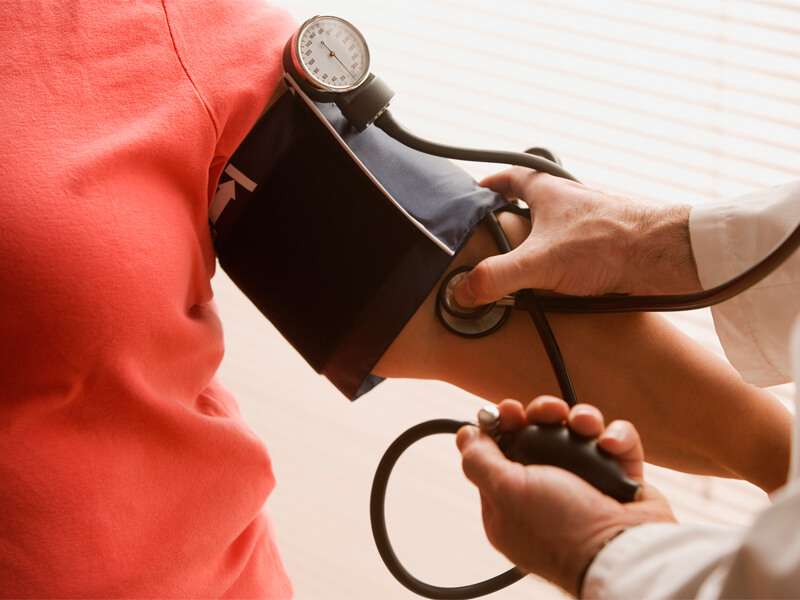
An annual health check-up is a comprehensive evaluation designed to assess your overall well-being. These evaluations are crucial for preventing diseases and identifying potential health issues before they become serious problems.
- During these exams, physicians perform routine screenings such as BMI checks, cholesterol levels assessments, and blood pressure measurements.
- The check-up may also involve a review of personal medical history and discussion about lifestyle habits including diet and exercise.
- If any anomalies are detected during these evaluations, further diagnostic testing may be recommended for peace of mind or treatment planning.
- This preventive approach helps individuals take charge of their health proactively through education provided during consultations.
A thorough annual check-up can be instrumental in maintaining long-term health by fostering early intervention strategies when necessary.
DIABETES SCREENING

Diabetes screening is essential for early detection of this chronic condition that affects how your body processes glucose. Early intervention is key to managing diabetes effectively and preventing complications.
- Common signs of diabetes include increased thirst, frequent urination, extreme fatigue, and blurred vision.
- Diagnosis often involves fasting blood sugar tests or an A1C test to measure average blood glucose levels over time.
- If diagnosed with diabetes, treatment generally focuses on diet management, regular exercise, and possibly insulin therapy or medications as prescribed by a healthcare provider.
- A continuous commitment to lifestyle changes is crucial for effective management and maintaining healthy blood sugar levels.
Regular screening can make a significant difference in your health trajectory, making it vital for those at risk to get tested promptly.
HYPERTENSION MANAGEMENT

Hypertension, commonly known as high blood pressure, is a condition that affects a significant portion of the population. It often develops over many years and can lead to severe health complications if not managed properly.
- Symptoms may include frequent headaches, shortness of breath, and nosebleeds, although many people experience no symptoms at all.
- Diagnosis typically involves regular blood pressure monitoring and may additionally require lab tests to check for underlying causes.
- Treatment options include lifestyle changes such as dietary modifications, increased physical activity, and medication prescribed by healthcare professionals.
- Managing hypertension effectively can help prevent serious conditions like heart disease and stroke.
- Patients should regularly consult their physician to adjust treatment plans based on individual health needs.
By staying informed and proactive in management, individuals can maintain a healthy blood pressure level and improve overall wellness.