
Dr Jigar Maniar
About Me
Dr Jigar Maniar
Cardiologist
Biography
My Clinic
OPD Hours
| Tuesday | Morning | 10:00 AM | - | 02:00 PM |
| Evening | 06:00 PM | - | 09:00 PM | |
| Wednesday | Morning | 10:00 AM | - | 02:00 PM |
| Evening | 06:00 PM | - | 09:00 PM | |
| Thursday | Morning | 10:00 AM | - | 02:00 PM |
| Evening | 06:00 PM | - | 09:00 PM | |
| Friday | Morning | 10:00 AM | - | 02:00 PM |
| Evening | 06:00 PM | - | 09:00 PM | |
| Saturday | Morning | 10:00 AM | - | 02:00 PM |
| Evening | 06:00 PM | - | 09:00 PM | |
| Sunday | Morning | 10:00 AM | - | 02:00 PM |
| Evening | 06:00 PM | - | 09:00 PM | |
| Thursday | Morning | 10:00 AM | - | 02:00 PM |
| Evening | 06:00 PM | - | 09:00 PM |
Treatments
Specialised care and treatments offered
PERIPHERAL ARTERY DISEASE

This circulatory condition occurs when narrowed arteries reduce blood flow primarily to limbs resulting inadequate oxygen supply causing troublesome sensations manifesting particularly lower extremities challenge many older adults nowadays!
- Symptoms Include: pain/cramps experienced particularly during physically active periods advocating rest alleviates discomfort quickly once again resuming activities afterward progressively worsens out often leading ulcers along feet contributing later amputations unless addressed culturally proactively responding through contextual education/referrals towards specialists!
VALVULAR HEART DISEASE
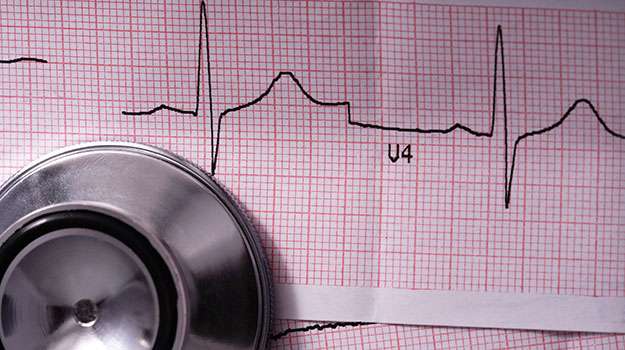
This condition affects one or more valves in the heart responsible for directing blood flow efficiently through its chambers. Valvular heart disease can either be congenital (present at birth) or acquired later in life due to infections or degenerative processes occurring over time
- Symptoms: patients frequently observe symptoms like breathlessness during exertion/at rest depending on severity alongside fatigue & possible swelling evident throughout their body .
- Causes: Causes could range from rheumatic fever which damages valves post-infection till degenerative calcific changes arising out aging organisms contributing towards stenosis/regurgitation scenarios happening within affected valves themselves .
- Diagnostic Tools: Healthcare practitioners utilize echocardiograms/exams highlighting functioning mechanics whenever evaluating potential valve dysfunction - determining severity accordingly aids treatment planning efforts effectively thereafter .
- Management Strategies: Management strategies vary significantly based upon underlying pathologies including routine monitoring strictly adhering prescribed guidelines /surgeries conducted perhaps aim restoring proper anatomical functions directly correcting observed defects involve techniques like balloon valvuloplasty(surgical procedures).
The critical takeaway regarding valvular disorders remains ensuring proper clinical assessments are undertaken as per individual needs enhancing overall cardiovascular wellness preserving lives enabling timely interventions becoming key components toward healthy living future goals realizing complete recovery sooner than expected!
HEART FAILURE
This serious condition arises when the heart cannot pump enough blood to meet the body's demands. Heart failure can occur due to various factors that cause damage over time or suddenly affect its function.
- Status Signs: Symptoms often include shortness of breath during activity or while lying down, swelling in legs/ankles (edema), fatigue, and persistent coughing/wheezing with white/pink mucus discharge.
- Causes: Key risk factors encompass coronary artery disease , previous heart attacks , hypertension , diabetes mellitus , obesity , valvular diseases etc .
- Diagnosis Methods: Diagnosis typically involves physical examination , listening for abnormal sounds during auscultation & diagnostic tests such as chest X-ray & echocardiogram .
- Treatment Approaches: Heart failure may be managed via lifestyle modifications along with diuretics , ACE inhibitors & digitalis preparations if needed . Severe instances might necessitate surgical interventions like valve repair/replacement too!
Early intervention significantly improves outcomes – individuals experiencing concerning signs should schedule an evaluation promptly! Stay informed about effective strategies available today that promote quality longevity ahead!
ATRIAL FIBRILLATION
Atrial fibrillation (AFib) is an irregular heartbeat that can cause various complications if left untreated. This condition occurs when the upper chambers of the heart experience chaotic electrical signals leading to ineffective pumping of blood.
- Symptoms: Patients may experience palpitations, dizziness, fatigue, chest discomfort, or even fainting spells during AFib episodes.
- Causes: Common causes include high blood pressure, heart valve disease, thyroid problems, and excessive alcohol consumption.
- Certain Diagnoses: A healthcare professional may use an ECG or Holter monitor to assess heart rhythm over time in diagnosing AFib accurately.
- Treatment Options: Treatment may involve medications aimed at controlling heart rate/rhythm or procedures like catheter ablation for more severe cases.
If you suspect you have AFib or related symptoms, seeking medical advice promptly can prevent serious complications such as stroke or heart failure. Your doctor will tailor a management plan suited just for you!
HYPERTENSION
Hypertension, often referred to as high blood pressure, is a serious condition that can lead to severe health complications including heart attack and stroke. It is characterized by consistently elevated blood pressure levels in the arteries.
- Symptoms: Often called the 'silent killer,' hypertension usually does not present symptoms until it has caused significant health issues.
- Causes: Factors contributing to hypertension include obesity, lack of physical activity, excess sodium intake, and chronic stress.
- Diagnosis: Blood pressure readings taken at a healthcare provider’s office or at home can help diagnose this condition accurately.
- Treatment: Treatment typically includes lifestyle modifications such as diet changes and regular exercise along with medications when necessary.
- Monitoring: Regular monitoring of blood pressure is essential to manage hypertension effectively and reduce risks associated with it.
A comprehensive approach involving lifestyle changes plays a pivotal role in managing hypertension long-term. Engage regularly with your healthcare team for optimal results.
CORONARY ARTERY DISEASE
Coronary artery disease (CAD) is the most common type of heart disease, affecting millions worldwide. It occurs when the coronary arteries become narrowed or blocked due to the buildup of plaque, leading to reduced blood flow to the heart muscle.
- Symptoms: Common symptoms include chest pain (angina), shortness of breath, fatigue, and heart palpitations.
- Causes: Major risk factors include high cholesterol, hypertension, smoking, diabetes, and a family history of heart disease.
- Diagnosis: CAD can be diagnosed through various tests such as ECGs, stress tests, and coronary angiography.
- Treatment: Management options may range from lifestyle changes and medications to surgical procedures like angioplasty or bypass surgery.
- Living with CAD: Regular follow-ups and adherence to treatment plans are crucial for managing this condition effectively.
Understanding CAD is vital for early intervention and better outcomes. Make sure to discuss any symptoms with your healthcare provider promptly.