
Dr Jignesh Gandhi
About Me
Dr Jignesh Gandhi
General Surgeons
Biography
My Clinic
OPD Hours
| Tuesday | Morning | 10:00 AM | - | 02:00 PM |
| Evening | 06:00 PM | - | 09:00 PM | |
| Wednesday | Morning | 10:00 AM | - | 02:00 PM |
| Evening | 06:00 PM | - | 09:00 PM | |
| Thursday | Morning | 10:00 AM | - | 02:00 PM |
| Evening | 06:00 PM | - | 09:00 PM | |
| Friday | Morning | 10:00 AM | - | 02:00 PM |
| Evening | 06:00 PM | - | 09:00 PM | |
| Saturday | Morning | 10:00 AM | - | 02:00 PM |
| Evening | 06:00 PM | - | 09:00 PM | |
| Sunday | Morning | 10:00 AM | - | 02:00 PM |
| Evening | 06:00 PM | - | 09:00 PM | |
| Thursday | Morning | 10:00 AM | - | 02:00 PM |
| Evening | 06:00 PM | - | 09:00 PM |
Treatments
Specialised care and treatments offered
THYROID SURGERY

This type of surgical procedure targets thyroid disorders requiring intervention—often due to nodules or malignancies. Thyroid surgery seeks not only resolution but also preservation of surrounding structures such as nerves!
- If necessary:
- Nodular symptoms: Potential visible swelling around neck region along with changes in voice quality frequently signal thyroid anomalies necessitating surgical review!
- Although physical evaluations suffice,
LAPAROSCOPIC SURGERY

Laparoscopic surgery refers to minimally invasive procedures where tiny incisions are made instead of large openings in traditional surgeries. It allows for less trauma and quicker recovery times across various surgical interventions including hernia repairs and cholecystectomies!
- Mild Symptoms Post-operation:No large scars but possible mild pain at incision sites typically managed with medication during recovery time!
BOWEL RESECTION
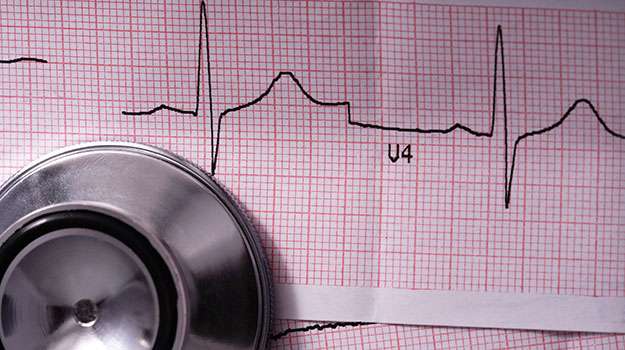
Bowel resection involves surgically removing part of the intestine affected by disease. Conditions such as cancer or Crohn’s disease often necessitate this intervention for improved quality of life and symptom management.
- Disease Indicators: Symptoms leading to bowel resection may include severe abdominal pain, chronic diarrhea, weight loss, or intestinal blockages due to scarring or tumors.
- Differential Diagnosis: Imaging studies like CT scans are crucial in diagnosing bowel conditions before deciding on surgery.
- Surgical Options Available: Depending on the case severity and location, procedures can be performed via open surgery or minimally invasive techniques geared towards faster recovery for patients.
- Coping Post-op: Recovery varies but often includes hospital stays followed by gradual dietary reintroductions under medical guidance!
This impactful intervention aims at restoring bowel function while addressing underlying gut problems efficiently!
CHOLECYSTECTOMY
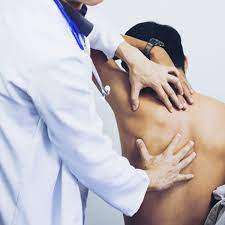
A cholecystectomy is the surgical removal of the gallbladder and is commonly performed due to gallstones causing significant pain or other gastrointestinal issues. This procedure helps alleviate discomfort and prevents further complications associated with gallstones.
- Pain Symptoms: Individuals may experience severe abdominal pain, especially after eating fatty foods, bloating, and nausea due to gallstone obstruction.
- Disease Diagnosis: Physicians typically employ ultrasound imaging to identify gallstones impacting gallbladder health.
- Surgical Techniques: Surgeons usually perform this operation laparoscopically for reduced recovery time; however, open surgery may be required in complicated cases.
- Lifestyle Adjustments Post-surgery: Most patients can return home shortly after surgery; dietary adjustments may also be recommended initially for optimal recovery!
This procedure effectively resolves gallbladder issues while minimizing post-operative complications in most cases.
APPENDECTOMY
The surgical removal of the appendix, known as an appendectomy, is typically performed when appendicitis—an inflammation of the appendix—is diagnosed. This condition can present life-threatening complications if not treated promptly.
- Symptoms: Key indicators include sudden pain around the navel that shifts to the lower right abdomen, nausea, vomiting, and loss of appetite.
- Diagnosis: Diagnosis usually involves a physical exam along with imaging studies such as CT scans to confirm inflammation.
- Treatment Methods: The appendix may be removed using traditional open surgery or minimally invasive laparoscopic techniques depending on specific circumstances.
- Post-operative Care: Most patients recover rapidly and can return to daily activities within one to three weeks following surgery.
A timely appendectomy can save lives and prevent serious complications related to appendicitis.
HERNIA REPAIR SURGERY
Hernia repair surgery is a common procedure that addresses the bulging of organs or tissues through weak points in the abdominal wall. Traditionally performed through open surgery, techniques have evolved to include minimally invasive methods that can lead to quicker recovery times.
- Symptoms: Common signs include a visible bulge in the abdomen, pain or discomfort, especially when lifting heavy objects, or a feeling of heaviness.
- Diagnosis: A physical examination is usually sufficient, but imaging tests like ultrasounds may be used for further evaluation.
- Treatment Options: Options include open surgery and laparoscopic techniques. The choice depends on the hernia's size and location, as well as patient health.
- Recovery Expectations: Patients can expect to return home the same day in many cases and generally resume light activities within a few weeks.
This procedure significantly alleviates discomfort and prevents potential complications such as strangulation or incarceration of tissue.