
Dr Jinendr.a Jain
About Me
Dr Jinendr.a Jain
Internal Medicine
Biography
My Clinic
OPD Hours
| Tuesday | Morning | 10:00 AM | - | 02:00 PM |
| Evening | 06:00 PM | - | 09:00 PM | |
| Wednesday | Morning | 10:00 AM | - | 02:00 PM |
| Evening | 06:00 PM | - | 09:00 PM | |
| Thursday | Morning | 10:00 AM | - | 02:00 PM |
| Evening | 06:00 PM | - | 09:00 PM | |
| Friday | Morning | 10:00 AM | - | 02:00 PM |
| Evening | 06:00 PM | - | 09:00 PM | |
| Saturday | Morning | 10:00 AM | - | 02:00 PM |
| Evening | 06:00 PM | - | 09:00 PM | |
| Sunday | Morning | 10:00 AM | - | 02:00 PM |
| Evening | 06:00 PM | - | 09:00 PM | |
| Thursday | Morning | 10:00 AM | - | 02:00 PM |
| Evening | 06:00 PM | - | 09:00 PM |
Treatments
Specialised care and treatments offered
ANNUAL PHYSICAL EXAM
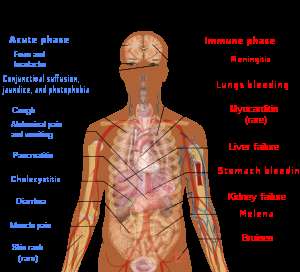
An annual physical exam serves as an essential preventive measure in internal medicine practice aimed at maintaining overall health.-Key assessments performed during this check-up promote timely detection of potential health issues before they escalate into serious concerns .
- During these visits , healthcare providers typically evaluate vital signs , conduct routine laboratory tests , assess vaccinations status ,and discuss personal medical history , identifying any areas warranting attention .
- Based on initial assessment results , further diagnostic exams might be advised if abnormalities arise .
- Emphasizing preventive care within these visits allows physicians create customized health action plans that target individual patient concerns comprehensively .
- Overall consistent engagement through annual exams fosters lasting relationships between physicians-patients helping encourage adherence toward healthier lifestyle choices developed together over time .
Attending yearly check-ups ultimately empowers individuals take charge over their long-term wellness journey toward vibrant living pursuits .
COLORECTAL CANCER SCREENING
Screening for colorectal cancer is pivotal in early detection and improving survival rates. Understand its importance for preventative healthcare strategies.
- The condition may not present symptoms until advanced stages; thus screening begins relatively early for those at average risk starting at age 45-50 or earlier with family history.
- Diverse screening methods exist including colonoscopies and stool tests—each reflecting unique benefits tailored to patient needs.
- Positive findings necessitate further evaluation like biopsy or imaging studies when indicative signs arise .
- Preventive measures include healthy dietary practices alongside maintaining regular physical activity which significantly lowers risk factors associated with developing colorectal cancer .
Consistency in screening protocols ensures timely interventions that save lives by catching cancerous changes early .
CHRONIC OBSTRUCTIVE PULMONARY DISEASE (COPD)
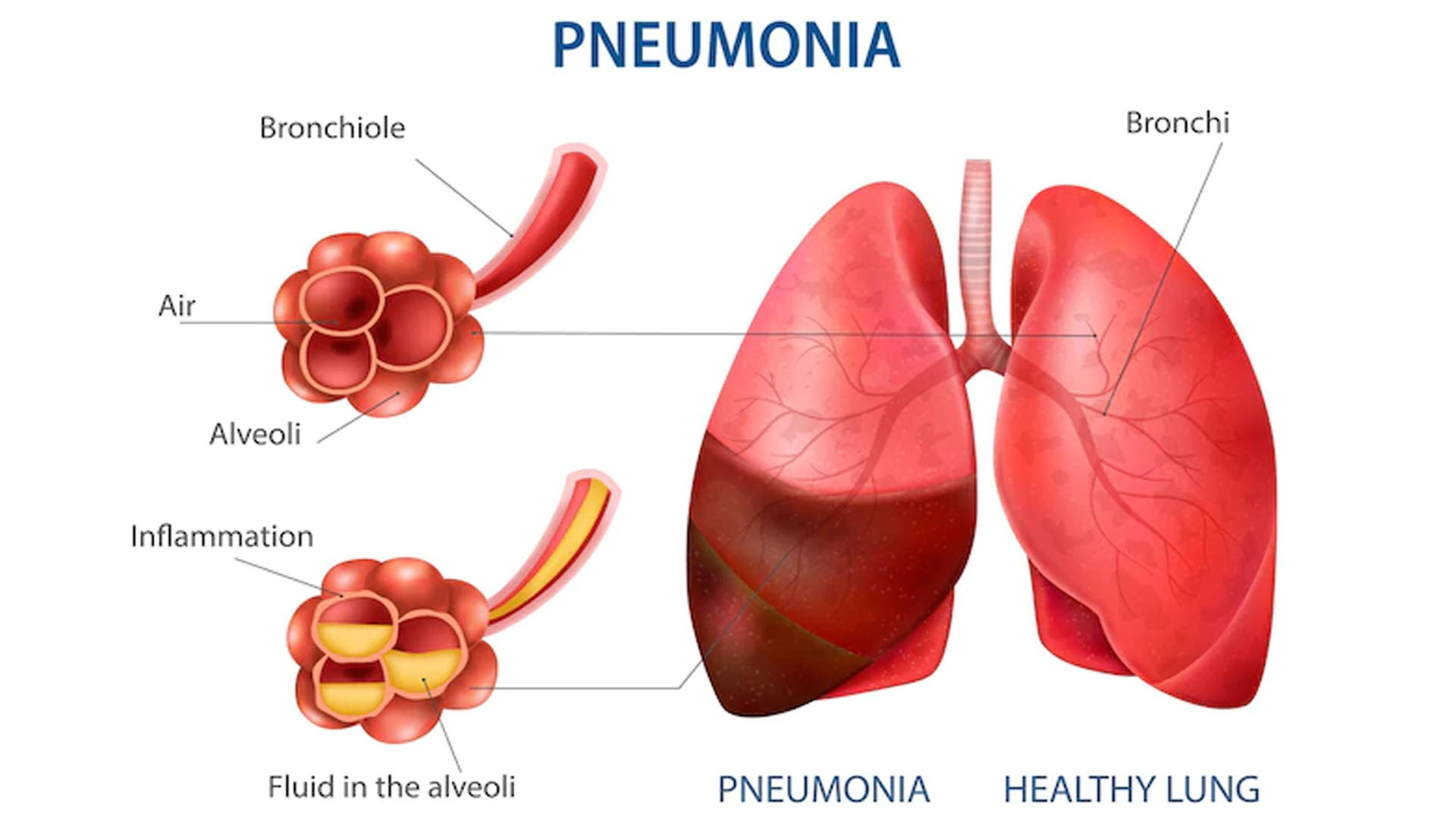
COPD is a progressive lung disease characterized by difficulty breathing due to airflow obstruction. Early intervention plays a critical role in management strategies.
- Patients may experience chronic cough, sputum production, wheezing, and shortness of breath on exertion as common symptoms.
- A comprehensive assessment involving spirometry testing helps confirm the diagnosis based on lung function measurements.
- Treatment focuses on smoking cessation if applicable, bronchodilators for symptom relief, and pulmonary rehabilitation programs to enhance lung capacity.
- COPD requires ongoing evaluation to tailor treatment plans effectively based on individual progression of the disease.
An active management plan empowers patients to maintain their quality of life despite COPD challenges.
HYPERLIPIDEMIA
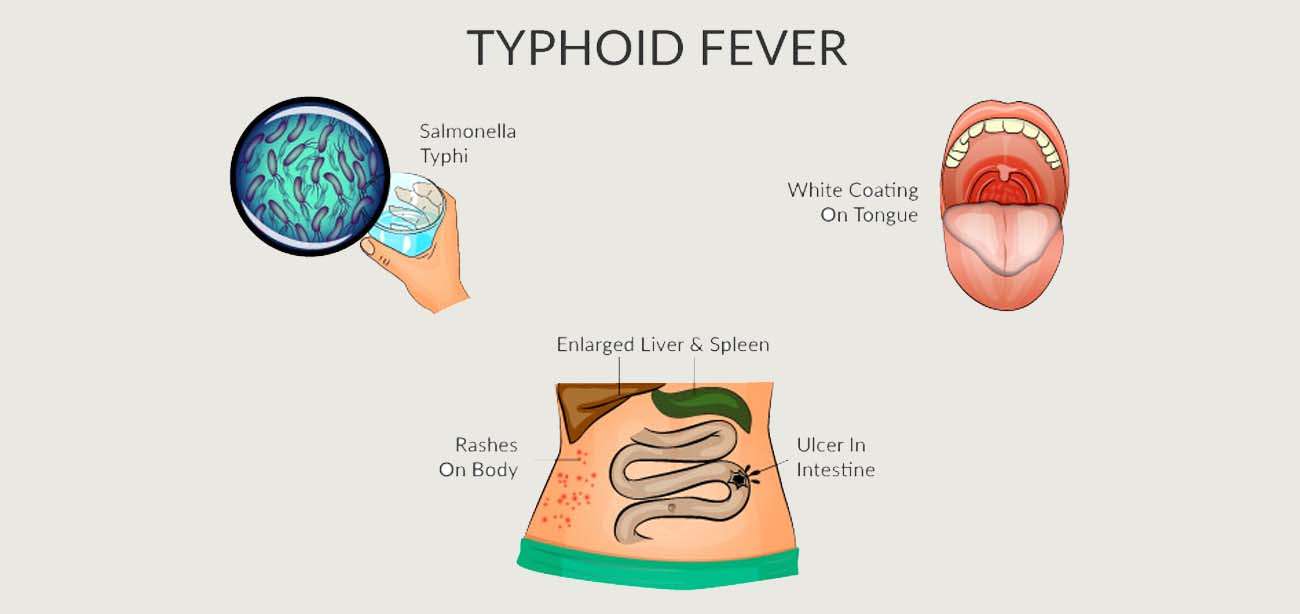
This condition involves elevated levels of lipids in the blood, which can increase the risk of cardiovascular diseases. Understanding hyperlipidemia is key to prevention.
- Symptoms are often absent; however, it may manifest in cases leading to heart disease or pancreatitis over time.
- Typically diagnosed through lipid panel tests measuring cholesterol levels during routine health screenings.
- Treatment includes lifestyle interventions like a balanced diet low in saturated fats and cholesterol, regular physical activity, and statin medications if necessary.
- Persistent follow-up appointments are essential for monitoring lipid levels and adjusting treatment as needed for better heart health outcomes.
An informed approach to managing hyperlipidemia can significantly reduce your cardiovascular risk profile.
DIABETES MELLITUS
Diabetes is a chronic condition that affects how the body processes glucose. Effective management is essential to prevent complications.
- Symptoms may include increased thirst, frequent urination, fatigue, and blurred vision.
- A diagnosis is often confirmed through fasting blood sugar tests or an oral glucose tolerance test.
- Management typically involves lifestyle changes such as improved diet and physical activity, along with insulin therapy or oral medications when necessary.
- Regular monitoring of blood sugar levels is crucial to adjust treatment plans as needed.
With proper care, individuals with diabetes can lead healthy lives while minimizing risks associated with the disease.
HYPERTENSION
Hypertension, commonly known as high blood pressure, often remains asymptomatic. It can lead to serious health complications if left untreated.
- Common symptoms include headaches, shortness of breath, and nosebleeds, but many people may exhibit no symptoms at all.
- Diagnosis typically involves regular blood pressure readings using a sphygmomanometer during routine check-ups.
- Treatment options may include lifestyle modifications such as diet and exercise, alongside medications like diuretics or ACE inhibitors.
- Patients can expect ongoing monitoring to manage their condition effectively and prevent severe complications such as heart disease or stroke.
Regular check-ups are vital for managing hypertension and ensuring optimal health outcomes.