
Dr Jitendra Agarwal
About Me
Dr Jitendra Agarwal
MS
Orthopaedic Surgeons
10 Years Experience
Biography
My Clinic
OPD Hours
| Monday | Morning | 10:00 AM | - | 02:00 PM |
| Evening | 06:00 PM | - | 09:00 PM | |
| Tuesday | Morning | 10:00 AM | - | 02:00 PM |
| Evening | 06:00 PM | - | 09:00 PM | |
| Wednesday | Morning | 10:00 AM | - | 02:00 PM |
| Evening | 06:00 PM | - | 09:00 PM | |
| Thursday | Morning | 10:00 AM | - | 02:00 PM |
| Evening | 06:00 PM | - | 09:00 PM | |
| Friday | Morning | 10:00 AM | - | 02:00 PM |
| Evening | 06:00 PM | - | 09:00 PM | |
| Saturday | Morning | 10:00 AM | - | 02:00 PM |
| Evening | 06:00 PM | - | 09:00 PM | |
| Sunday | Morning | 10:00 AM | - | 02:00 PM |
| Evening | 06:00 PM | - | 09:00 PM |
Treatments
Specialised care and treatments offered
LUMBAR DISC HERNIATION TREATMENT
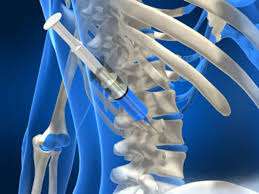
A common spinal issue occurs when intervertebral discs become herniated. This condition can contribute to debilitating back pain and neurological symptoms affecting nearby nerves
.- Key signs include radiating pain down the legs (sciatica), numbness, or muscle weakness resulting from nerve compression from herniated discs;
- Diagnosis typically includes comprehensive physical exams along with MRI scans confirming disc displacement;
- Management ranges from conservative approaches like physical therapy & medication management directly targeting inflammation & alleviating discomfort;
- Surgical interventions such as discectomy may be warranted in severe cases where conservative measures fail ensuring decompression;
The proper therapeutic regime fosters meaningful improvement allowing individuals reclaim their daily activities promptly!
CARTILAGE REPAIR TECHNIQUES

The cartilage serves as a cushion between joints; when injured, it can lead to severe issues including pain and restricted movement. Repair techniques aim to restore this vital structure effectively!
- The primary symptoms include persistent pain in affected joints alongside noticeable restrictions during activity; these signal underlying cartilage issues!
- A combination of physical assessments along with advanced imaging tests help properly evaluate cartilage condition before proceeding into treatment options!
- Treatment may involve procedures such as microfracture surgery or osteochondral grafting depending on lesion severity!
- Post-treatment rehabilitation programs focus on gradually restoring mobility while minimizing discomfort during recovery phases!
Catching cartilage defects early can significantly enhance treatment effectiveness while improving overall patient outcomes over time!
OSTEOPOROSIS SCREENING

This condition leads to weakened bones that are more susceptible to fractures. Screening plays an essential role in early detection and prevention strategies.
- Individuals at risk often experience no symptoms until a fracture occurs; hence screening is vital for early intervention!
- Dual-energy X-ray absorptiometry (DEXA) scans provide reliable assessment tools for bone density measurement.
- Treatment options may include lifestyle changes, dietary adjustments, medications like bisphosphonates aimed at strengthening bones explicitly targeting osteoporosis risks.
- Regular follow-ups are essential for monitoring bone health post-diagnosis; this helps tailor treatment approaches effectively based on individual progress!
Sooner detection through screening can significantly improve outcomes and minimize risk factors associated with osteoporosis-related fractures!
FRACTURE MANAGEMENT

When bones break, proper management is crucial to ensure correct healing. The approach taken depends on the type and location of the fracture.
- Main causes include falls, sports injuries, and accidents leading to sharp pain and visible deformity in many cases.
- A thorough physical examination paired with necessary imaging such as X-rays helps confirm the fracture's nature and severity.
- Treatment varies from immobilization with casts or splints to surgical interventions like pins or plates for more complex fractures.
- Patients can anticipate a gradual return to normal activities as healing progresses with recommended therapy post-injury.
Effective management greatly influences recovery outcomes and reduces long-term complications associated with fractures.
JOINT REPLACEMENT SURGERY

This surgical intervention involves replacing a damaged or worn-out joint with an artificial implant. It is commonly performed on knees and hips when other treatments have failed.
- Major symptoms indicating this need include severe pain during movement, stiffness, and loss of function in the joint.
- The diagnosis typically includes physical examinations along with imaging techniques like X-rays to evaluate the extent of joint damage.
- Treatment generally involves either total or partial replacement of the affected joint, tailored to patient needs.
- Recovery after the surgery includes rehabilitation exercises aimed at restoring mobility and strength over time.
Many patients experience significant improvements in quality of life following successful joint replacement surgery.
ARTHROSCOPY

Arthroscopy is a minimally invasive surgical procedure used for diagnosing and treating joint problems. It involves the use of a small camera, known as an arthroscope, which is inserted into the joint through tiny incisions.
- Common indications for this procedure include persistent joint pain, swelling, and limited range of motion.
- The diagnosis often requires imaging studies such as MRI or X-rays to assess the joint condition prior to surgery.
- Treatment options via arthroscopy may involve repairing torn cartilage, removing loose bodies, or smoothing rough surfaces.
- Post-surgery, patients can expect reduced pain and swelling along with improved functionality in their joints.
This procedure can lead to quicker recovery times compared to traditional open surgeries, making it an attractive option for many patients.