
Dr Jitendra Khatr
About Me
Dr Jitendra Khatr
DO
Ophthalmologist
Biography
My Clinic
OPD Hours
| Monday | Morning | 10:00 AM | - | 02:00 PM |
| Evening | 06:00 PM | - | 09:00 PM | |
| Tuesday | Morning | 10:00 AM | - | 02:00 PM |
| Evening | 06:00 PM | - | 09:00 PM | |
| Wednesday | Morning | 10:00 AM | - | 02:00 PM |
| Evening | 06:00 PM | - | 09:00 PM | |
| Thursday | Morning | 10:00 AM | - | 02:00 PM |
| Evening | 06:00 PM | - | 09:00 PM | |
| Friday | Morning | 10:00 AM | - | 02:00 PM |
| Evening | 06:00 PM | - | 09:00 PM | |
| Saturday | Morning | 10:00 AM | - | 02:00 PM |
| Evening | 06:00 PM | - | 09:00 PM | |
| Sunday | Morning | 10:00 AM | - | 02:00 PM |
| Evening | 06:00 PM | - | 09:00 PM |
Treatments
Specialised care and treatments offered
INTRAVITREAL INJECTIONS
Intravitreal injections involve delivering medication directly into the vitreous humor of the eye. This method treats various retinal conditions such as diabetic macular edema or wet age-related macular degeneration (AMD).
The- Symptoms: Patients may notice blurred vision or distorted images caused by fluid accumulation under the retina.
- Diagnosis: Diagnosis typically includes detailed fundoscopic examinations and optical coherence tomography (OCT) imaging studies.
- Treatment Process: The Injection process usually takes place in-office; local anesthetic may be applied for comfort during delivery of medication directly into the eye structure.
- Post-Procedure Care: Some minor discomfort may occur post-injection; however, patients generally recover quickly without complications following these outpatient procedures.
This targeted approach efficiently manages various serious ocular conditions while maximizing safety protocols within clinical practice settings.
KERATOCONUS TREATMENT
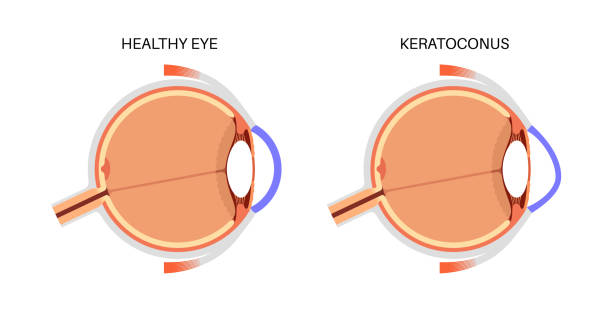
Keratoconus is a progressive condition where the cornea thins and bulges into a cone shape. Treatment options aim at stabilizing vision and preventing further deterioration of corneal structure.
- Symptoms: Early signs include increasing nearsightedness, distortion of images, and sensitivity to light.
- Diagnosis: Specialized imaging technologies capture detailed maps of corneal shape.
- Treatment Options: Depending on severity: options range from glasses or contact lenses to rigid gas permeable lenses or surgical procedures like cross-linking.
- Follow-Up Care: Regular assessments help monitor corneal health and adjust treatments as necessary.
This proactive approach can offer significant improvements in vision clarity while managing keratoconus effectively.
PHOTODYNAMIC THERAPY (PDT)
Photodynamic therapy is an effective treatment used primarily for certain types of age-related macular degeneration. It utilizes light-activated medication to target abnormal blood vessels in the retina.
- Symptoms: Blurred vision or blind spots may emerge as new blood vessels grow beneath the retina due to AMD conditions.
- Diagnosis: An optometrist will conduct imaging tests such as OCT or fluorescein angiography to confirm diagnosis and assess treatment needs.
- Treatment Procedure: In PDT, a light-sensitive drug is administered followed by precise illumination with a laser to deactivate overactive blood vessels without harming surrounding tissues.
PDT has proven beneficial in slowing disease progression while preserving existing sight for patients diagnosed with specific retinal issues.
PUNCTAL PLUGS FOR DRY EYE
Punctal plugs are small devices inserted into the tear ducts to retain tears on the surface of the eyes, providing relief for dry eye syndrome sufferers.
- Symptoms: Dryness, irritation, and excessive tearing can indicate underlying dry eye conditions that may benefit from this treatment.
- Diagnosis: A thorough evaluation of symptoms alongside tear production tests helps identify candidates for punctal plugs.
- Management Options: These plugs can be temporary or permanent and are designed to minimize tear drainage to enhance moisture retention in the eyes.
- Post-Treatment Care: Patients usually experience immediate relief; however, follow-up appointments ensure proper fit and comfort of the plugs used.
This non-invasive approach significantly improves comfort levels for individuals suffering from chronic dry eyes.
CATARACT SURGERY
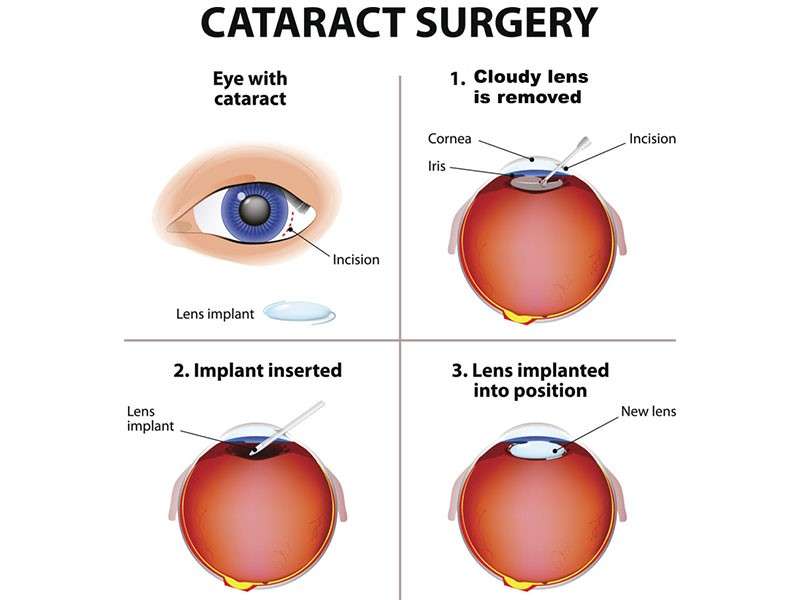
Cataract surgery is a common procedure to restore clear vision in individuals affected by cataracts, a condition where the eye's lens becomes cloudy.
- Symptoms: Early signs include blurred or dim vision, halos around lights, and faded colors.
- Diagnosis: An eye examination that evaluates visual acuity and uses slit lamp microscopy identifies cataracts' severity.
- Surgical Techniques: The most common technique involves phacoemulsification where an ultrasonic device breaks up the cloudy lens for removal through a small incision.
- Recovery Expectations: Most patients can return home soon after surgery, with minimal downtime required before resuming normal activities.
This procedure offers life-changing improvements in vision quality for those suffering from cataracts.
LASER-ASSISTED IN SITU KERATOMILEUSIS (LASIK)
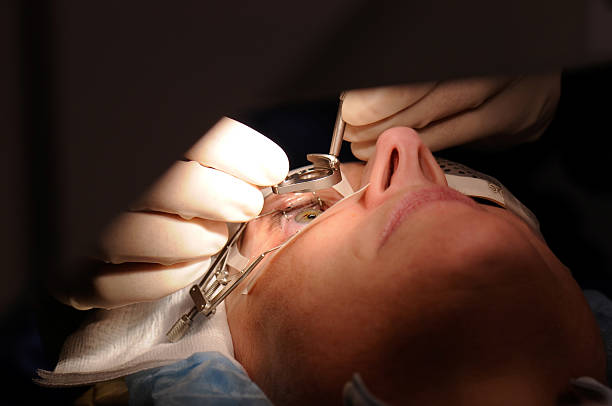
LASIK is a popular refractive surgery that enhances vision by reshaping the cornea. This procedure is ideal for those who are dependent on glasses or contact lenses.
- Symptoms: Common symptoms include blurry vision, difficulty seeing at night, and frequent changes in prescription.
- Diagnosis: A comprehensive eye exam, including tests of visual acuity and corneal mapping, helps determine candidacy for LASIK.
- Treatment Options: The procedure involves using a laser to remove tissue from the cornea, allowing light to focus correctly on the retina.
- Post-Procedure Care: Patients may experience some discomfort initially, but recovery is usually quick with many achieving 20/25 vision or better.
This innovative treatment can significantly reduce dependence on corrective eyewear, making daily activities much more convenient.