
Dr Jitendra Kuma
About Me
Dr Jitendra Kuma
MD
Oncologist
Biography
My Clinic
OPD Hours
| Monday | Morning | 10:00 AM | - | 02:00 PM |
| Evening | 06:00 PM | - | 09:00 PM | |
| Tuesday | Morning | 10:00 AM | - | 02:00 PM |
| Evening | 06:00 PM | - | 09:00 PM | |
| Wednesday | Morning | 10:00 AM | - | 02:00 PM |
| Evening | 06:00 PM | - | 09:00 PM | |
| Thursday | Morning | 10:00 AM | - | 02:00 PM |
| Evening | 06:00 PM | - | 09:00 PM | |
| Friday | Morning | 10:00 AM | - | 02:00 PM |
| Evening | 06:00 PM | - | 09:00 PM | |
| Saturday | Morning | 10:00 AM | - | 02:00 PM |
| Evening | 06:00 PM | - | 09:00 PM | |
| Sunday | Morning | 10:00 AM | - | 02:00 PM |
| Evening | 06:00 PM | - | 09:00 PM |
Treatments
Specialised care and treatments offered
LEUKEMIA
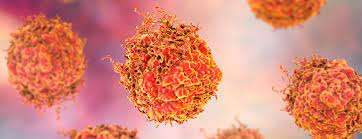
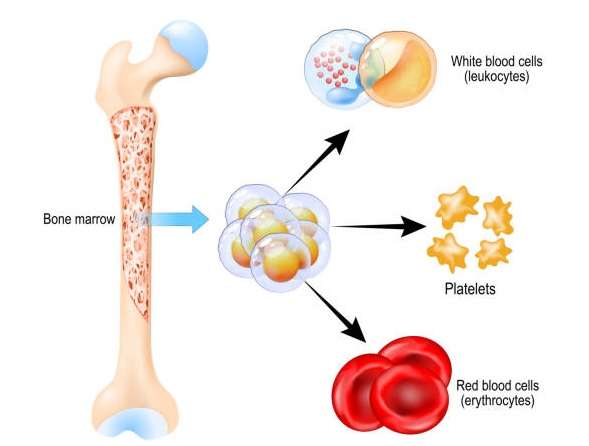
This bone marrow-originated blood cancer involves uncontrolled production of white blood cells disrupting normal cellular function within circulation systems. Knowledge surrounding its manifestations greatly improves chances for effective interventions optimizing survival rates among diverse age groups involved!
- Initial signs might encompass excessive fatigue coupled alongside frequent infections encountered regularly—often mistaken as mere seasonal illnesses thereby delaying proper diagnosis attempts made towards physicians who specialize!
- Comprehensive evaluations conclude definitive diagnoses utilizing blood smear tests identifying abnormal leukocyte counts seen distinctly alongside additional toxicological investigations performed systematically thereafter based upon prior assessments noted accurately through careful observation methodologies implemented consistently throughout primary healthcare infrastructures established .
- Management pathways tend focus heavily upon chemotherapeutic agents designed specifically targeting neoplastic proliferations observed initially prevalent within various subsets classified under this illness spectrum highlighting rapid remission possibilities too!
- Palliative care initiatives dedicated towards individuals suffering complications arising directly attributable towards symptomatic burdens caused have proven fruitful enhancing overall experiences shared by patients traversing difficult journeys involving uncertainty ahead !
Comprehensive awareness programs around leukemia instill hopeful prospects motivating affected parties towards proactive engagements driving impactful conversations centered around being informed ultimately yielding beneficial health ramifications experienced longer term collectively across regions worldwide striving collaboratively today!
SKIN CANCER
Skin cancer develops due to excessive exposure to ultraviolet (UV) radiation leading to skin cell mutations. Recognizing potential symptoms early enables timely intervention which could save lives effectively across all age groups exposed outdoors frequently!
- Main indications often manifest as new growths or sores that do not heal; sometimes presenting irregular edges around existing moles too!
- A dermatologist will often confirm suspicions using skin biopsies following physical examinations assessing changes visually first-hand before delving deeper into diagnostics!
- Various management techniques involve topical treatments combined with excisional surgeries specifically tailored based upon individual presentations observed during check-ups regularly scheduled every six months especially under high risk populations!
- Emphasizing sunscreen application diligently reduces recurrence likelihood significantly while maintaining healthy dermatological practices will preserve skin integrity long-term too !
Awareness regarding incidence rates coupled alongside protective measures serves communities well; prioritizing sun safety actively protects against adverse outcomes associated with skin cancers over seasons !
PROSTATE CANCER

This malignancy arises primarily from prostate gland cells, commonly affecting older men. Prostate cancer's progression varies widely; therefore understanding its characteristics is important for effective management strategies.
- Persistent issues like difficulty urinating or blood in urine can be warning signals that prompt further medical evaluation.
- Typically diagnosed using a combination of PSA testing, digital rectal exams (DRE), and biopsy procedures confirming diagnosis of abnormal cells.
- Treatments may include surgery, radiation therapy, hormonal treatment or active surveillance based on aggressiveness levels determined during diagnosis phases.
- Coping mechanisms including support groups provide emotional assistance throughout treatment journeys for many affected individuals.
Acknowledging prostate health concerns early empowers men to seek appropriate care promptly while fostering a culture of awareness among their peers regarding risks associated with prostate disorders over time.
COLORECTAL CANCER
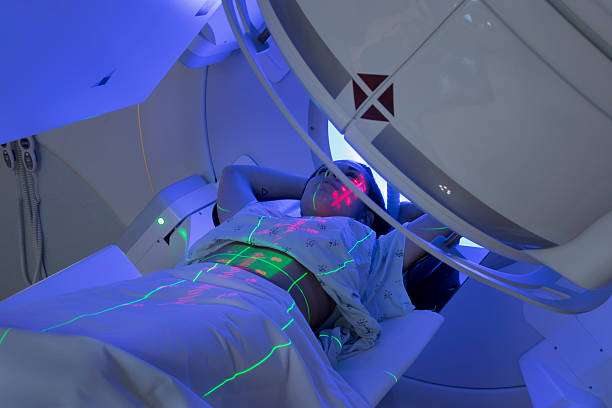
This type of cancer originates in the colon or rectum and often begins as small polyps that gradually become malignant. Colorectal cancer affects both genders and awareness plays a key role in early intervention efforts.
- Common signs include changes in bowel habits, blood in stools, abdominal discomfort, or unexplained weight loss.
- Diagnosis typically involves colonoscopy examinations along with biopsy results confirming malignancy.
- Treatment options range from surgical resection of affected segments to chemotherapy regimens aimed at targeting residual cancer cells post-surgery.
- A specialized diet may be recommended during treatment phases to bolster patient strength and well-being.
- Long-term follow-up care focuses on monitoring for recurrence via regular screening tests after initial treatment completion.
A proactive attitude toward colorectal health fosters better outcomes through early detection strategies embedded within routine healthcare practices.
LUNG CANCER
Lung cancer occurs when abnormal cells begin to grow uncontrollably in lung tissues. It is often linked to smoking but can also occur in non-smokers due to environmental factors. Knowledge about this disease promotes proactive coping strategies.
- The major symptoms include a persistent cough, chest pain, weight loss, and difficulty breathing.
- Diagnosis is mainly performed through imaging tests like CT scans and confirmed with biopsies.
- Treatment typically involves surgery to remove tumors, followed by chemotherapy or targeted therapies based on genetic mutations.
- Palliative care can enhance quality of life for patients experiencing chronic symptoms related to the disease.
- Regular screenings are essential for high-risk individuals as they may catch the disease at an earlier stage.
A comprehensive approach toward lung cancer ensures that patients receive tailored treatments aimed at improving both longevity and quality of life.
BREAST CANCER
Breast cancer is a malignant tumor that develops from breast cells. It is one of the most commonly diagnosed cancers among women, although men can also develop it. Early detection and treatment are crucial for better outcomes.
- Symptoms may include lumps in the breast, changes in breast shape or size, and unusual discharge from the nipple.
- The condition is typically diagnosed through mammograms, ultrasounds, and biopsies.
- Treatment options vary and may include surgery, chemotherapy, radiation therapy, or hormone therapy depending on the stage of cancer.
- Supportive care such as counseling and nutritional support can help patients cope with treatment side effects.
- Patients can expect regular follow-ups to monitor recovery and manage any lingering symptoms.
Understanding breast cancer is vital for those at risk; early action can significantly influence prognosis positively.