
Dr Jitendra Kuma
About Me
Dr Jitendra Kuma
MD
Oncologist
10 Years Experience
Biography
My Clinic
OPD Hours
| Monday | Morning | 10:00 AM | - | 02:00 PM |
| Evening | 06:00 PM | - | 09:00 PM | |
| Tuesday | Morning | 10:00 AM | - | 02:00 PM |
| Evening | 06:00 PM | - | 09:00 PM | |
| Wednesday | Morning | 10:00 AM | - | 02:00 PM |
| Evening | 06:00 PM | - | 09:00 PM | |
| Thursday | Morning | 10:00 AM | - | 02:00 PM |
| Evening | 06:00 PM | - | 09:00 PM | |
| Friday | Morning | 10:00 AM | - | 02:00 PM |
| Evening | 06:00 PM | - | 09:00 PM | |
| Saturday | Morning | 10:00 AM | - | 02:00 PM |
| Evening | 06:00 PM | - | 09:00 PM | |
| Sunday | Morning | 10:00 AM | - | 02:00 PM |
| Evening | 06:00 PM | - | 09:00 PM |
Treatments
Specialised care and treatments offered
SKIN CANCER AWARENESS
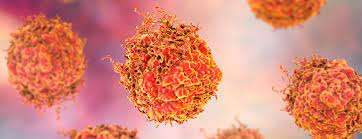
Skin cancer awareness emphasizes the need for routine skin checks by both patients and professionals alike since melanoma evolves from benign moles over time. Timely recognition leads to better prognoses through preventive action plans set forth as required by found anomalies during assessments performed regularly throughout life stages can offer greater protection potential against skin cancers developing prematurely.
- Key indicators potentially representative earlier indications might comprise new spots/freckles appearing suddenly changing appearance existing ones resulting itchiness soreness flaking skin surrounding those areas identified concerning growing dimension over periods either but should still watch other signs manifest appeared surface lesions such scaling irregularities between borders formations indicating possible malignancies relating quickly assessing dermatological evaluation timely manner feels urgent under such circumstances
- Dermatologists typically employ dermatoscopes visual exam tools comparing contrast elements previously noted documentation ongoing proactive behavior integral maintaining preventative checkpoints examining entire body diligently every year
- Treatment may necessarily proceed depending severity levels ranging topical ointments targeted therapies different forms removal techniques frequently involve excisions cryotherapy methods also applicable throughout various protocols defined standards characterizing specific situational contexts clarified per unique condition documented
- Monitoring healing process afterwards means adhering rules outlined leading aftercare intentions ensuring launched recovery journeys yield maximum benefit holistic principles applied continually assist each individual achieve complete healing states align focused goals fitting criteria related restorations achieved systematically advance wellness trajectories overtime expected individuals accounts pressures surrounding overall behavioral patterns optimizing emotional balance managerial skills exhibited resultant advancements gained thereafter both physically mentally enriching everyday living experiences maximized fullest potential attainable possible within all realms available formed together there collectively offering patrons safe zones rehabilitative thereafter once again stable grounds upon which thrive continuously flourishing even under adversity encountered daily routines challenged routinely faced head-on uplifting spirits enduring actively fostering resilience togetherness binding factors helping endure adversities navigate complexities encountered shared society burdens bear together never alone battling whatever comes next triumphantly holding hands stronger united fortifying foundations built solidly amongst us eternally paving paths towards brighter tomorrows unfolding ahead without fear dwelling behind anymore lingering hauntings haunting us former days passed < / si g/>
CERVICAL CANCER PREVENTION
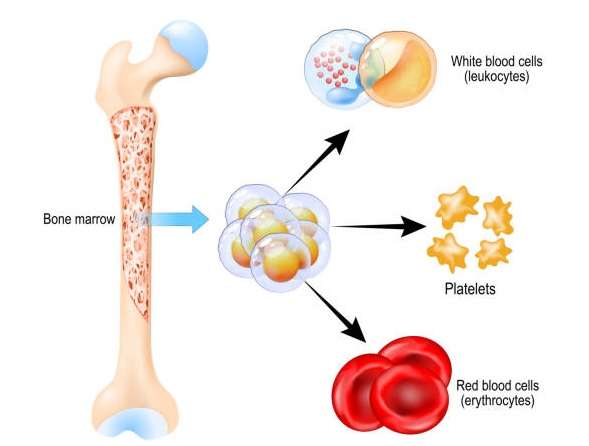
Cervical cancer prevention predominantly revolves around HPV vaccination and regular pap smears. These measures aim to detect any cellular changes early enough to prevent cervical cancer from developing altogether.
- The main cause of cervical cancer is persistent infection with high-risk types of Human Papillomavirus (HPV).
- Pap tests help identify abnormal cells in the cervix before they develop into cancer while HPV tests confirm virus presence against standard thresholds of concern.
- Treatment involves monitoring abnormal results closely; if necessary treatments might include cryotherapy or conization procedures depending on findings over time.
- Regular follow-ups are necessary after any treatments are conducted to ensure health continues positively moving forward.
Investing time in preventive measures supports long-term reproductive health while reducing cervical cancer incidence significantly.
PROSTATE CANCER AWARENESS AND SCREENING

Awareness about prostate cancer is pivotal for males above 50 years old or those with genetic predispositions. Routine check-ups can facilitate early intervention strategies that are more effective than late-stage treatments.
- Symptoms may be subtle but could include urinary difficulties or pelvic discomfort that shouldn't be overlooked.
- DRE (Digital Rectal Exam) and PSA (Prostate-Specific Antigen) tests are commonly utilized for initial evaluations.
- Treatments available encompass active surveillance, surgery, hormone therapy, and radiation depending on disease severity.
- An individualized care plan should be established post-diagnosis focusing on lifestyle adjustments alongside medical interventions.
Increasing awareness while participating in regular screenings can significantly impact prostate health outcomes in men everywhere.
LUNG CANCER SCREENING
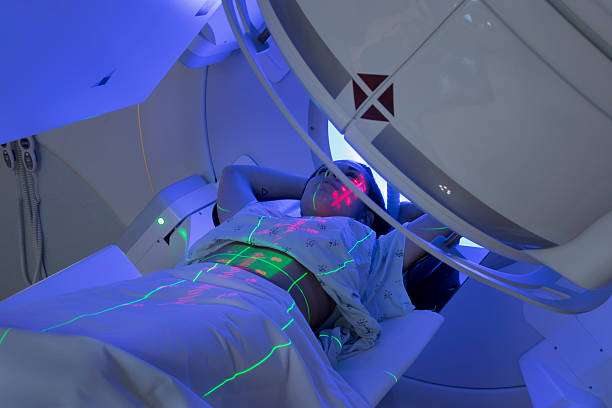
Lung cancer screening plays an important role in detecting lung nodules that could indicate early-stage lung cancer. Identifying issues at this stage can provide patients with more treatment options and improve survival rates.
- Main risk factors include smoking history, exposure to secondhand smoke, and occupational hazards like asbestos exposure.
- A low-dose CT scan is a common method used for lung cancer detection among high-risk groups.
- Treatment varies widely but may involve surgery, chemotherapy, or immunotherapy depending on the tumor's characteristics.
- After diagnosis, working closely with healthcare professionals ensures tailored management plans are created moving forward.
Catching lung cancer early through regular screenings can drastically improve patient outcomes and overall health management.
COLORECTAL CANCER SCREENING
Colorectal cancer screening is crucial as it helps identify precancerous conditions before they develop into full-blown cancer. The goal is to catch any abnormalities early on when treatment is most effective.
- Possible symptoms may include changes in bowel habits, unexplained weight loss, or blood in stool.
- The primary diagnostic tool used is a colonoscopy, which allows direct visualization of the colon lining.
- Treatment options include surgical removal of the tumor, chemotherapy, or radiation therapy based on staging.
- Post-treatment monitoring involves regular screenings to prevent recurrence or manage any side effects.
Engaging in screening practices can significantly reduce mortality rates associated with colorectal cancer.
BREAST CANCER SCREENING
Regular screening for breast cancer is essential for early detection and effective treatment. Early stages of breast cancer may not present noticeable symptoms, making screenings vital for at-risk individuals.
- Factors that increase risk include age, family history, and genetic predispositions.
- Common methods of diagnosis include mammograms, clinical breast exams, and MRI scans.
- Treatment options vary from surgery and radiation to targeted therapies, depending on the stage and type of cancer.
- Patients can expect a comprehensive follow-up plan post-diagnosis that includes regular check-ups.
Proactive engagement in breast cancer screening can lead to better outcomes and more effective management strategies.