
Dr Jitendra Sing
About Me
Dr Jitendra Sing
Cardiologist
Biography
My Clinic
OPD Hours
| Monday | Morning | 10:00 AM | - | 02:00 PM |
| Evening | 06:00 PM | - | 09:00 PM | |
| Tuesday | Morning | 10:00 AM | - | 02:00 PM |
| Evening | 06:00 PM | - | 09:00 PM | |
| Wednesday | Morning | 10:00 AM | - | 02:00 PM |
| Evening | 06:00 PM | - | 09:00 PM | |
| Thursday | Morning | 10:00 AM | - | 02:00 PM |
| Evening | 06:00 PM | - | 09:00 PM | |
| Friday | Morning | 10:00 AM | - | 02:00 PM |
| Evening | 06:00 PM | - | 09:00 PM | |
| Saturday | Morning | 10:00 AM | - | 02:00 PM |
| Evening | 06:00 PM | - | 09:00 PM | |
| Sunday | Morning | 10:00 AM | - | 02:00 PM |
| Evening | 06:00 PM | - | 09:00 PM |
Treatments
Specialised care and treatments offered
CHOLESTEROL DISORDERS
An imbalance in cholesterol levels presents a risk factor for cardiovascular diseases. It's crucial for maintaining good health that both LDL ('bad' cholesterol) is kept low while HDL ('good' cholesterol) remains elevated properly managed through lifestyle interventions if necessary becomes paramount necessary before results achieved attained urgently needed tested closely monitored proficiently by physicians experienced specialists certified practitioners.
ATRIAL FIBRILLATION

Atrial fibrillation (AFib) is an irregular heartbeat that can lead to stroke or other heart-related complications if untreated. This condition is increasingly common among older adults but can affect younger individuals too.
- Symptoms: Patients might experience palpitations or an irregular pulse sensation along with dizziness or weakness in some cases.
- Causes: High blood pressure, coronary artery disease, viral infections affecting the heart's electrical system are typical contributors to AFib onset.
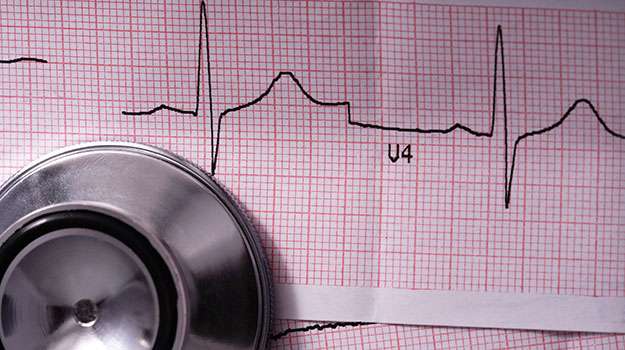
- Diagnosis: An ECG helps in identifying AFib by recording the electrical activity of the heart over time for clear evaluation of rhythm patterns.
- *Treatment Options: Depending on symptom severity: anticoagulants used for stroke prevention might also be prescribed alongside rhythm-control medications.*
- **What Happens Next: Engaging in regular follow-ups ensures that your condition remains stable.*
HEART FAILURE
This condition arises when the heart is unable to pump blood efficiently to meet the body's needs. It can develop over time due to various underlying heart conditions.
- Symptoms: Common indicators include fatigue, swelling in the legs or abdomen, rapid heartbeat, and persistent coughing or wheezing.
- Causes: Heart failure may result from coronary artery disease, hypertension, damage from previous heart attacks, or cardiomyopathy.
- Diagnosis: A thorough evaluation including physical examination and imaging tests like echocardiograms can help identify heart function issues.
- Treatment: Management typically involves medications to strengthen the heart's pumping action along with lifestyle changes; in some cases advanced treatments like implants may be needed.
- What to Expect: With appropriate care and adherence to treatment plans, many patients can manage their symptoms effectively and lead active lives.
If you notice any symptoms suggestive of heart failure, seeking immediate medical advice can be crucial for effective management.
CORONARY ARTERY DISEASE
This condition occurs when the coronary arteries become narrowed due to plaque buildup, reducing blood flow to the heart muscle. Over time, this can lead to serious complications such as heart attacks.
- Symptoms: Individuals may experience chest pain (angina), fatigue, or shortness of breath during physical activity.
- Causes: Risk factors include high cholesterol levels, smoking, diabetes, and sedentary lifestyle habits.
- Diagnosis: Tests like electrocardiograms (ECGs), stress tests, or coronary angiography can help assess the condition of the arteries.
- Treatment: Options vary from lifestyle changes and medications to surgical interventions such as angioplasty or bypass surgery based on severity.
- What to Expect: Early detection and treatment can greatly enhance heart health and overall quality of life for individuals with coronary artery disease.
A timely diagnosis is essential in managing this condition effectively to prevent further complications.
HYPERTENSION
Hypertension, commonly known as high blood pressure, is a chronic condition that can lead to severe health complications if not managed properly. It is often referred to as a silent killer because it may show no symptoms until serious problems arise.
- Symptoms: Many people experience headaches, shortness of breath, or nosebleeds; however, these signs are not common and usually occur at severe levels.
- Causes: Factors include genetics, obesity, lack of physical activity, excessive salt intake, and alcohol consumption.
- Diagnosis: Blood pressure is measured using a sphygmomanometer during regular check-ups. Continuous monitoring may be recommended for accurate assessment.
- Treatment: Management often includes lifestyle changes such as diet modifications and regular exercise. Medications may also be prescribed to help lower blood pressure effectively.
- What to Expect: Regular monitoring and medication adherence can significantly reduce the risk of heart disease and other complications associated with hypertension.
If you suspect you have hypertension or are at risk, consultation with a healthcare provider is crucial for early intervention and management.