
Dr Jitendra Sing

Dr Jitendra Sing

DO
Ophthalmologist
4 275 ratings

About Me

Dr Jitendra Sing

DO
Ophthalmologist

Biography

Dr. Jitendra Sing, DO, is a compassionate and highly skilled ophthalmologist dedicated to providing comprehensive eye care to patients of all ages. With a deep commitment to improving vision and eye health, Dr. Sing offers a warm and welcoming approach that helps patients feel comfortable and confident throughout their visits. As an ophthalmologist, Dr. Sing specializes in diagnosing, managing, and treating a wide range of eye conditions. This includes common issues such as cataracts, glaucoma, diabetic retinopathy, macular degeneration, and refractive errors like nearsightedness, farsightedness, and astigmatism. She is also experienced in performing various eye surgeries and procedures to restore and preserve vision, utilizing the latest advancements in medical technology to ensure the best possible outcomes. Dr. Sing understands that eye care is not just about medical treatment but also about educating her patients. She takes the time to listen carefully to each individual’s concerns and explains diagnoses and treatment options in clear, easy-to-understand language. This approach ensures patients feel informed and empowered to make decisions about their eye health. Throughout her career, Dr. Sing has remained committed to staying current with ongoing developments in ophthalmology by engaging in continuous education and advanced training. This dedication allows her to offer innovative and effective treatments tailored to each patient’s unique needs. Her focus on personalized care means she looks beyond just the eyes to consider overall health and lifestyle, helping patients maintain good vision and eye health for years to come. Patients appreciate Dr. Sing’s gentle demeanor and the thoroughness with which she performs eye examinations. Whether a patient needs a routine check-up, management of a chronic eye condition, or specialized surgical care, she is known for her meticulous attention to detail and compassionate support. Choosing Dr. Jitendra Sing as your ophthalmologist means placing your eye health in the hands of a knowledgeable and caring professional. She is dedicated to helping you achieve and maintain clear, comfortable vision, improving your quality of life through expert eye care delivered with kindness and respect. If you have concerns about your eyes or vision, Dr. Sing is ready to guide you on the path to better eye health.

My Clinic

OPD Hours

Monday Morning 10:00 AM - 02:00 PM
Evening 06:00 PM - 09:00 PM
Tuesday Morning 10:00 AM - 02:00 PM
Evening 06:00 PM - 09:00 PM
Wednesday Morning 10:00 AM - 02:00 PM
Evening 06:00 PM - 09:00 PM
Thursday Morning 10:00 AM - 02:00 PM
Evening 06:00 PM - 09:00 PM
Friday Morning 10:00 AM - 02:00 PM
Evening 06:00 PM - 09:00 PM
Saturday Morning 10:00 AM - 02:00 PM
Evening 06:00 PM - 09:00 PM
Sunday Morning 10:00 AM - 02:00 PM
Evening 06:00 PM - 09:00 PM

Treatments

Specialised care and treatments offered

RETINAL DETACHMENT
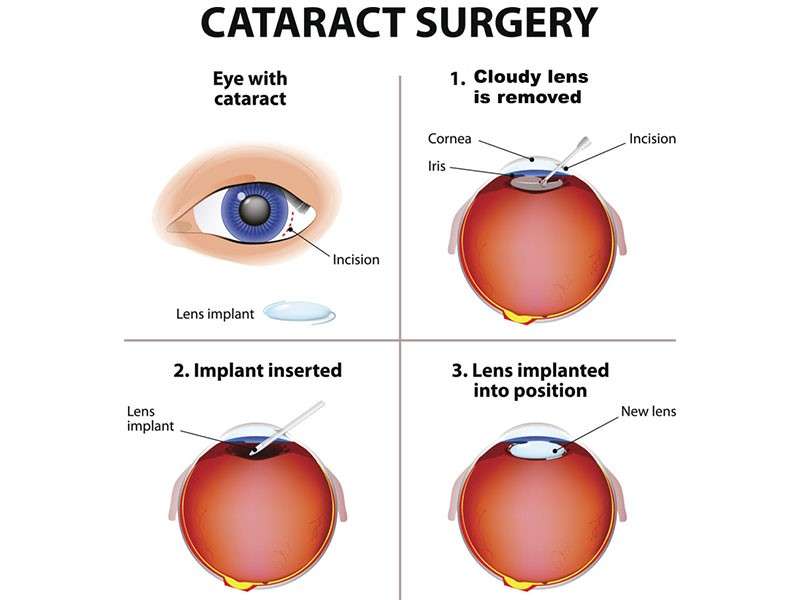
Retinal Detachment

This medical emergency occurs when the retina separates from its underlying tissue. Prompt treatment is crucial because delayed intervention can result in permanent vision loss.

,
  • Symptoms: Flashing lights or floaters followed by a shadow or curtain over part of your visual field often indicating imminent detachment.
  • Diagnosis: A comprehensive dilated exam will pinpoint any tears or detachments present.
  • Treatment: Surgical options such as laser therapy aim at reattaching retinal layers while managing overall conditions is vital too.
  • Timely diagnosis ensures better outcomes - always reach out if you experience these troubling signs!

    DRY EYE SYNDROME
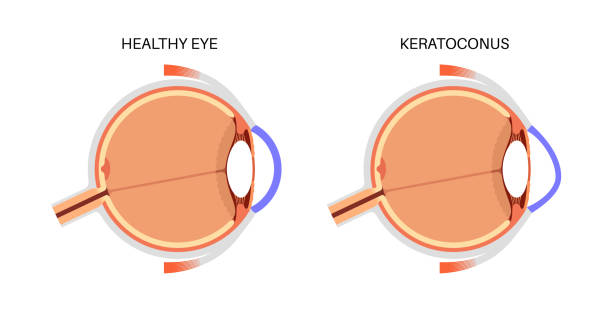
    Dry Eye Syndrome

    This condition occurs when eyes do not produce enough tears or when tears evaporate too quickly. It can lead to discomfort and potential damage to the surface of the eyes if left untreated.

    • Symptoms: Common signs include a gritty sensation in the eyes, redness, burning sensations, or excessive tearing as a reflex response
    You require proper hydration: A thorough examination helps determine your specific needs - from lifestyle adjustments to artificial tears or prescription medications.

    The goal is to restore comfort while preserving overall ocular health long-term!

    AGE-RELATED MACULAR DEGENERATION (AMD)
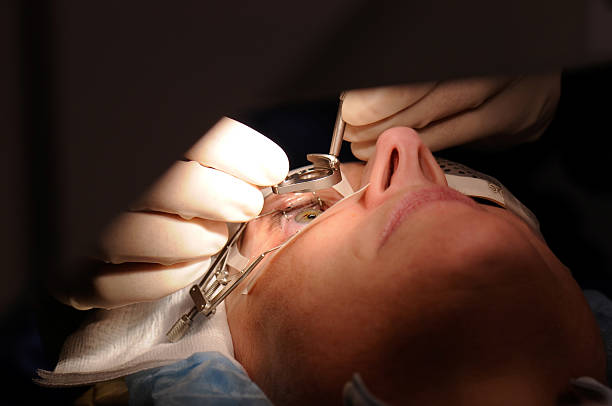
    Age-related Macular Degeneration (AMD)

    This progressive eye condition affects central vision and is primarily related to aging. AMD can significantly impact daily activities such as reading and driving.

    • Symptoms: Blurred or distorted central vision and dark spots in your field of view are common indicators of AMD's presence.
    • Diagnosis: An ophthalmic examination that includes imaging tests helps identify changes in the macula indicative of AMD
    Your disease management: Various treatments including nutritional supplements or injections may slow AMD’s progression; however regular check-ups are necessary.

    Your visual health continues into old age with appropriate care plans tailored just for you!

    DIABETIC RETINOPATHY
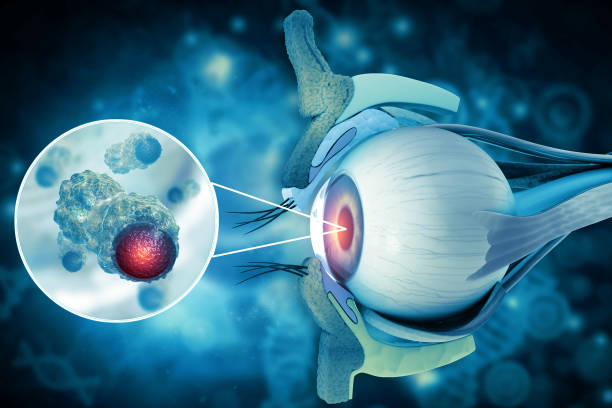
    Diabetic Retinopathy

    This serious condition affects individuals with diabetes, causing damage to the blood vessels in the retina. Early detection is vital to prevent severe complications like blindness.

    • Symptoms: Blurred vision, floaters, or sudden loss of eyesight may indicate diabetic retinopathy.
    • Diagnosis: Regular dilated eye exams are crucial for early identification of any retinal changes caused by diabetes.
    • Treatment: Laser therapy or injections may be utilized depending on the severity of the disease; managing blood sugar levels is also essential.

    A proactive approach in managing diabetes helps protect your eyes from long-term consequences associated with diabetic retinopathy.

    GLAUCOMA

    Glaucoma

    This condition involves damage to the optic nerve often due to high intraocular pressure. Glaucoma can lead to irreversible vision loss if not managed effectively.

    • Symptoms: Many individuals may experience no symptoms in the early stages. Later symptoms include tunnel vision and headaches.
    • Diagnosis: Eye exams that measure eye pressure and assess peripheral vision are critical for detecting glaucoma.
    • Treatment: Options include prescription eye drops, oral medications, or surgical procedures aimed at reducing intraocular pressure.
    • Long-term management: Regular monitoring is essential for maintaining eye health and preventing progression of this disease.

    If detected early, glaucoma can be effectively managed to preserve your sight over time.

    CATARACTS

    Cataracts

    Cataracts are a common vision problem, particularly in older adults. They occur when the lens of the eye becomes cloudy, leading to blurred vision and difficulty seeing at night.

    • Symptoms: Blurry vision, increased sensitivity to light, and faded colors are typical signs.
    • Diagnosis: An eye examination by an ophthalmologist includes checking visual acuity and assessing the lens for clouding.
    • Treatment: Surgical removal of the cloudy lens is the most effective option, typically resulting in improved vision with the implantation of an artificial lens.
    • Post-operative care: Patients can expect a follow-up visit to monitor healing and ensure optimal outcomes.

    Cataract surgery is generally safe and effective, restoring clear vision for most people.


    FAQs

    . Are there special considerations for children’s eye health?
    Children need regular eye check-ups as they develop since early detection plays a key role in addressing issues like refractive errors before they affect learning.
    What types of insurance do you accept?
    [Insert list here] accepts most major insurance plans including private health insurance providers found commonly across Jaipur.
    Are there ways to prevent cataracts?
    While cataracts cannot be entirely prevented, maintaining a healthy diet rich in antioxidants and protecting your eyes from UV light by wearing sunglasses may reduce their development.
    How often should I have an eye exam?
    Generally, adults should have their eyes examined every one to two years. If you have existing conditions like diabetes or glaucoma risk factors, more frequent visits with an ophthalmologist might be necessary.
    What should I do if I experience sudden vision changes?
    If you notice sudden changes in your vision such as flashes of light or sudden blurriness, it's important to contact an ophthalmologist immediately. In Jaipur, timely intervention can help address potential issues like retinal detachment.