
Dr Jitendra Singh
About Me
Dr Jitendra Singh
MD
Cardiologist
10 Years Experience
Biography
My Clinic
OPD Hours
| Monday | Morning | 10:00 AM | - | 02:00 PM |
| Evening | 06:00 PM | - | 09:00 PM | |
| Tuesday | Morning | 10:00 AM | - | 02:00 PM |
| Evening | 06:00 PM | - | 09:00 PM | |
| Wednesday | Morning | 10:00 AM | - | 02:00 PM |
| Evening | 06:00 PM | - | 09:00 PM | |
| Thursday | Morning | 10:00 AM | - | 02:00 PM |
| Evening | 06:00 PM | - | 09:00 PM | |
| Friday | Morning | 10:00 AM | - | 02:00 PM |
| Evening | 06:00 PM | - | 09:00 PM | |
| Saturday | Morning | 10:00 AM | - | 02:00 PM |
| Evening | 06:00 PM | - | 09:00 PM | |
| Sunday | Morning | 10:00 AM | - | 02:00 PM |
| Evening | 06:00 PM | - | 09:00 PM |
Treatments
Specialised care and treatments offered
PERIPHERAL ARTERY DISEASE CARE

This condition involves narrowing arteries outside the heart commonly affecting legs which leads to pain while walking due to insufficient oxygen delivery. Early recognition allows initiation of therapies that delay progression effectively.
Managing peripheral artery disease through dedicated exercise regimens combined with targeted medication adherence supports improved limb function while minimizing cardiovascular risks broadly.
HEART FAILURE LIFESTYLE MANAGEMENT
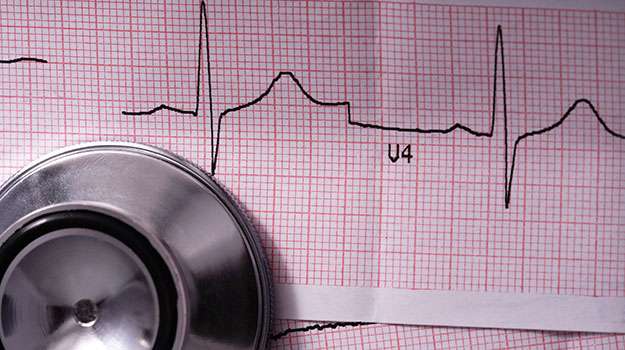
This complex syndrome occurs when the heart’s ability to pump blood efficiently diminishes. Along with medications prescribed by specialists, patients benefit greatly from tailored lifestyle interventions aimed at improving overall cardiac performance.
- Syndrome insight: Symptoms include shortness of breath during exertion or while lying flat along with swelling in legs caused by fluid retention due to weakened cardiac output.
- Assessment methods: Echocardiograms evaluate ventricular function; lab tests monitor kidney function and electrolytes impacted by treatment regimes. Treatment components:: Incorporation of salt restriction along with fluid management helps reduce strain on the heart; controlled physical activity enhances endurance without overexertion; weight monitoring detects early signs of worsening status.
CORONARY ARTERY DISEASE PREVENTION
The narrowing or blockage of coronary arteries due to plaque buildup reduces blood flow to the heart muscle. Preventive measures focus on slowing this process before significant damage occurs.
- Main contributing factors: High blood pressure, smoking, diabetes mellitus, obesity along with sedentary lifestyle play key roles in disease progression.
- ID procedures: Stress tests or imaging help assess arterial function even prior to symptom onset like chest pain or breathlessness.
- Lifestyle modifications: Heart-healthy diet rich in omega-3s; regular aerobic exercise; managing stress effectively are foundational preventive steps.
If identified early, gradual implementation of these measures combined with medical treatment as required reduces risks related to impaired coronary circulation markedly over time.
ATRIAL FIBRILLATION MONITORING
Atrial fibrillation (AFib) is an irregular heartbeat that increases stroke risk but can often be managed effectively with early detection. Understanding AFib enables timely interventions to minimize complications.
- Causative factors & signs: Ageing, high blood pressure, heart valve issues are common contributors. Symptoms include palpitations, fatigue, dizziness or sometimes none at all.
- Diagnosis tools: Electrocardiogram (ECG) is essential to detect irregular electrical activity in the heart chambers; Holter monitors may assess intermittent episodes.
- Treatment plans: Rate or rhythm control with medications like beta blockers or anticoagulants to prevent clots; lifestyle adjustments including alcohol moderation and stress reduction help manage symptoms.
An integrated strategy involving careful surveillance and appropriate medication use significantly improves quality of life for those living with atrial fibrillation.
CHOLESTEROL CONTROL
Elevated cholesterol levels contribute importantly to the buildup of fatty plaques inside arteries which can lead to coronary artery disease. Managing cholesterol is a vital step towards preventing heart attacks and other vascular problems.
- Understanding causes: Genetic predisposition as well as diets high in saturated fats and lack of physical activity raise LDL (bad cholesterol) levels.
- Diagnosis: A fasting lipid profile blood test evaluates total cholesterol, LDL, HDL (good cholesterol), and triglycerides levels.
- Treatment options: Dietary changes emphasizing fruits, vegetables, whole grains; use of statins or other lipid-lowering drugs; increased physical activity.
- Lifestyle factors: Reducing alcohol consumption and quitting smoking also improve lipid profiles.
A proactive approach focused on diet optimization combined with medical treatment when necessary helps maintain healthy cholesterol levels for long-term cardiovascular wellness.
HYPERTENSION MANAGEMENT
High blood pressure, or hypertension, is a common cardiovascular condition that can increase the risk of heart disease and stroke if left untreated. Managing blood pressure effectively is crucial to maintaining heart health and preventing complications.
- Causes and symptoms: Often called a "silent killer," hypertension may show no symptoms but can stem from genetics, diet, stress, obesity, and inactivity.
- Diagnosis: Blood pressure is measured using a sphygmomanometer over multiple visits to confirm elevated readings consistently above 130/80 mmHg.
- Treatment approaches: Lifestyle changes such as reducing salt intake, regular exercise, weight management, quitting smoking, alongside antihypertensive medications when necessary.
- Monitoring: Regular check-ups and home monitoring help track blood pressure control and adjust treatments accordingly.
- Outlook: With proper management, individuals can lower their risk of heart attack and stroke significantly.
Adopting a comprehensive plan combining lifestyle modifications with medical therapy is essential to keep hypertension in check and safeguard cardiovascular health.