
Dr Jitesh H Desai
About Me
Dr Jitesh H Desai
Cardiologist
Biography
My Clinic
OPD Hours
| Tuesday | Morning | 10:00 AM | - | 02:00 PM |
| Evening | 06:00 PM | - | 09:00 PM | |
| Wednesday | Morning | 10:00 AM | - | 02:00 PM |
| Evening | 06:00 PM | - | 09:00 PM | |
| Thursday | Morning | 10:00 AM | - | 02:00 PM |
| Evening | 06:00 PM | - | 09:00 PM | |
| Friday | Morning | 10:00 AM | - | 02:00 PM |
| Evening | 06:00 PM | - | 09:00 PM | |
| Saturday | Morning | 10:00 AM | - | 02:00 PM |
| Evening | 06:00 PM | - | 09:00 PM | |
| Sunday | Morning | 10:00 AM | - | 02:00 PM |
| Evening | 06:00 PM | - | 09:00 PM | |
| Thursday | Morning | 10:00 AM | - | 02:00 PM |
| Evening | 06:00 PM | - | 09:00 PM |
Treatments
Specialised care and treatments offered
CONGENITAL HEART DEFECTS

Congenital heart defects are structural problems with the heart's formation present at birth. These defects vary widely from mild conditions requiring little treatment to severe issues needing immediate surgical intervention after diagnosis.
- Symptoms could manifest as rapid breathing , poor weight gain , cyanosis (bluish tint on skin) upon exertion even among infants .
- Diagnosis typically occurs via prenatal ultrasounds , echocardiography post-birth , further investigation might employ MRI scans .
- Management depends on defect type ranging from regular monitoring by cardiologists for minimal cases up-to open-heart surgeries restoring normal function entirely if required .
- Families are advised combining medical treatments along-supportive therapies fostering child developmental progress side-by-side assessing longitudinal follow-ups ensuring timely updates whenever medically indicated .
Awareness about congenital conditions aids families navigating care pathways holistically collaborating effectively alongside healthcare teams throughout treatment journeys ahead towards optimized growth trajectories possible together !
VALVULAR HEART DISEASE
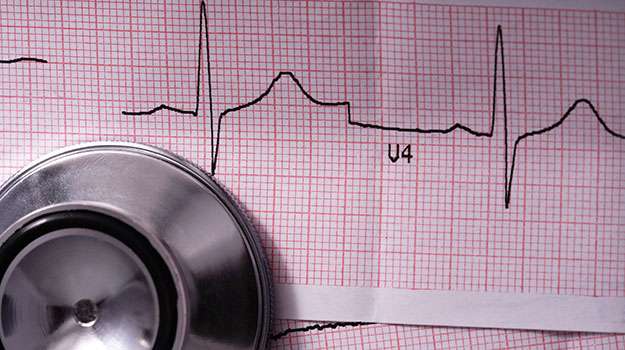
This refers to any dysfunction of one or more of the four heart valves—mitral, aortic, tricuspid, or pulmonary—that regulate blood flow. It requires close monitoring due to its potential implications on cardiac efficiency.
- Main causes include congenital defects, degenerative diseases related to aging, infections like endocarditis, or rheumatic fever effects from untreated strep throat infections among others.
ATRIAL FIBRILLATION
Atrial fibrillation (AFib) is an irregular heartbeat that can lead to blood clots, stroke, heart failure, and other heart-related complications. It's important for patients to recognize its significance early on for effective management.
- The most common symptoms include palpitations, dizziness or lightheadedness, and fatigue. Some individuals might be asymptomatic initially.
- This condition is diagnosed through ECGs or Holter monitoring that records electrical activity in the heart over time.
- Treatment approaches include anticoagulants for clot prevention along with rate or rhythm control strategies via medications or catheter ablation procedures.
- Lifestyle changes also play a supportive role in managing AFib effectively alongside medical interventions.
A proactive approach enables better control of this arrhythmia's potential impacts on overall health.
HEART FAILURE
Heart failure is a chronic condition where the heart is unable to pump adequate blood to meet the body's needs. This condition can lead to fluid build-up and various systemic complications over time.
- Main symptoms include persistent cough, swelling in legs or ankles, and extreme fatigue during minimal activities.
- A comprehensive evaluation often encompasses physical examinations along with imaging tests like echocardiograms.
- Treatment usually involves lifestyle adjustments alongside diuretics and other medications tailored to improve heart function.
- Pacing oneself during daily activities can greatly enhance quality of life for those living with this condition.
This critical knowledge helps patients actively participate in their care plans for better outcomes.
HYPERTENSION
Hypertension, commonly known as high blood pressure, occurs when the force of blood against artery walls is consistently too high. This silent condition can lead to severe health issues if not properly managed.
- The main causes include obesity, excessive salt intake, and a sedentary lifestyle.
- Individuals may not experience symptoms initially; however, it can be detected through routine blood pressure measurements.
- Treatment often includes dietary modifications, exercise programs, and antihypertensive medications.
- Regular monitoring is essential as it helps in modifying treatment based on individual responses.
Understanding hypertension plays a vital role in preventing long-term cardiovascular complications.
CORONARY ARTERY DISEASE
Coronary artery disease (CAD) is a condition characterized by the narrowing or blockage of coronary arteries due to plaque buildup. Over time, this can lead to serious complications such as heart attacks.
- Symptoms may include chest pain, shortness of breath, and fatigue during physical activity.
- Diagnosis typically involves a physical examination, electrocardiograms (ECGs), stress testing, or angiography.
- Management options range from lifestyle changes to medications and surgical procedures like angioplasty or bypass surgery.
- Patients are encouraged to adopt a heart-healthy diet and engage in regular exercise to help mitigate risks.
It is crucial to understand this condition and stay vigilant about heart health for early detection and intervention.