
Dr JN Tandon
About Me
Dr JN Tandon
MBBS
Nephrologist
10 Years Experience
Biography
My Clinic
OPD Hours
| Monday | Morning | 10:00 AM | - | 02:00 PM |
| Evening | 06:00 PM | - | 09:00 PM | |
| Tuesday | Morning | 10:00 AM | - | 02:00 PM |
| Evening | 06:00 PM | - | 09:00 PM | |
| Wednesday | Morning | 10:00 AM | - | 02:00 PM |
| Evening | 06:00 PM | - | 09:00 PM | |
| Thursday | Morning | 10:00 AM | - | 02:00 PM |
| Evening | 06:00 PM | - | 09:00 PM | |
| Friday | Morning | 10:00 AM | - | 02:00 PM |
| Evening | 06:00 PM | - | 09:00 PM | |
| Saturday | Morning | 10:00 AM | - | 02:00 PM |
| Evening | 06:00 PM | - | 09:00 PM | |
| Sunday | Morning | 10:00 AM | - | 02:00 PM |
| Evening | 06:00 PM | - | 09:00 PM |
Treatments
Specialised care and treatments offered
DIALYSIS
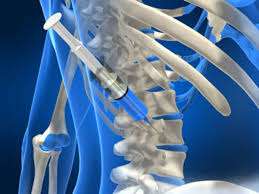
This lifesaving procedure substitutes some functions of failed kidneys by removing waste products and excess fluids from the blood artificially. Dialysis becomes necessary when kidney failure reaches an advanced stage where normal excretion cannot be maintained adequately anymore.
- Why Dialysis Is Needed: When chronic conditions irreversibly reduce functioning nephrons below critical thresholds impacting overall health adversely;
- Types of Dialysis: Hemodialysis filters blood through a machine outside the body whereas Peritoneal dialysis uses the abdominal lining internally for filtration;
- Procedure Details: Requires vascular access creation for hemodialysis involving scheduled sessions several times per week; Peritoneal dialysis can be performed daily at home allowing patient flexibility;
- What To Anticipate: Initial adjustment includes managing fluid shifts and potential side effects but adherence improves quality of life significantly;
Choosing appropriate dialysis modality depends on individual medical needs combined with lifestyle considerations under professional guidance.
ACUTE KIDNEY INJURY (AKI)

An abrupt decline in kidney function defines Acute Kidney Injury. It commonly occurs secondary to illness or injury affecting the kidneys suddenly rather than gradually over years.
- Main Triggers & Symptoms:Sudden reduction in urine output, fluid retention causing swelling; causes include dehydration, infections,sepsis or exposure to harmful medications/toxins.
- The Diagnostic Approach:Blood work reveals increased creatinine levels; urine tests determine possible causes with imaging used when obstruction is suspected;
POLYCYSTIC KIDNEY DISEASE (PKD)

Polycystic Kidney Disease is a hereditary disorder characterized by the growth of numerous cysts in the kidneys which gradually enlarge affecting normal function over time.
- The Symptoms & Underlying Cause:This genetic condition leads to abdominal pain, high blood pressure, frequent urinary tract infections, or hematuria due to cyst expansion disrupting tissue integrity.
- The Diagnostic Process:An ultrasound or MRI typically identifies characteristic cysts; family history aids diagnosis confirmation alongside renal function tests to monitor progression.
- Treatment Strategies:No cure exists yet but treatment aims at controlling symptoms like hypertension using medication, pain management approaches, plus monitoring for complications such as infection or bleeding within cysts.
GLOMERULONEPHRITIS

This term describes inflammation of the tiny filtering units in kidneys known as glomeruli. Glomerulonephritis can impair kidney function if untreated.
- Symptoms & Causes: May present with blood in urine, swelling of face or legs, high blood pressure. Causes range from infections to autoimmune diseases like lupus.
- Diagnosis: Urinalysis showing proteinuria or hematuria; blood tests for antibodies; sometimes a kidney biopsy is necessary for definitive diagnosis.
- Treatment/Management: Depends on cause but often involves immunosuppressive medications alongside supportive treatment such as controlling blood pressure and reducing salt intake.
- What Patients Can Expect: Treatment response varies; some recover fully while others develop chronic kidney disease requiring ongoing care.
Catching this condition early allows for tailored therapies aimed at preserving renal function effectively.
HYPERTENSIVE NEPHROPATHY

High blood pressure can damage the kidneys by putting extra strain on blood vessels within them. This condition is often called hypertensive nephropathy. Without control, it may lead to chronic kidney disease.
- Symptoms and Causes: Often without initial symptoms; persistent hypertension damages renal blood vessels over years. Causes include uncontrolled high blood pressure and genetic predisposition.
- Diagnosis: Blood pressure measurement along with renal function tests including serum creatinine and urine albumin levels provide insight into kidney health.
- Treatment Options: Aggressive blood pressure management using ACE inhibitors or ARBs is central. Lifestyle changes such as reduced salt intake and exercise support medical therapy.
- What to Expect: With proper control of hypertension, further kidney damage can be minimized. Regular follow-ups monitor both BP and renal status closely.
A proactive approach in managing blood pressure plays a vital role in preserving kidney health in hypertensive nephropathy.
CHRONIC KIDNEY DISEASE (CKD)

Chronic Kidney Disease is a gradual loss of kidney function over time. It often progresses silently, making early detection key to managing health and preventing complications.
- Symptoms and Causes: Early stages may have no symptoms; later signs include fatigue, swelling, and changes in urination. Common causes are diabetes, hypertension, and glomerulonephritis.
- Diagnosis: Blood tests measuring creatinine levels, estimated glomerular filtration rate (eGFR), urine tests for protein, and imaging studies help assess kidney function.
- Treatment: Management focuses on controlling underlying conditions like high blood pressure and diabetes, dietary modifications, medications to slow progression, and avoiding nephrotoxic drugs.
- What to Expect: Regular monitoring is essential. Early intervention can delay progression, but advanced stages may require dialysis or transplantation.
Understanding CKD helps patients participate actively in their care to preserve kidney function as long as possible.