
Dr Jolly Aerora
About Me
Dr Jolly Aerora
MBBS
General Physician
Biography
My Clinic
OPD Hours
| Monday | Morning | 10:00 AM | - | 02:00 PM |
| Evening | 06:00 PM | - | 09:00 PM | |
| Tuesday | Morning | 10:00 AM | - | 02:00 PM |
| Evening | 06:00 PM | - | 09:00 PM | |
| Wednesday | Morning | 10:00 AM | - | 02:00 PM |
| Evening | 06:00 PM | - | 09:00 PM | |
| Thursday | Morning | 10:00 AM | - | 02:00 PM |
| Evening | 06:00 PM | - | 09:00 PM | |
| Friday | Morning | 10:00 AM | - | 02:00 PM |
| Evening | 06:00 PM | - | 09:00 PM | |
| Saturday | Morning | 10:00 AM | - | 02:00 PM |
| Evening | 06:00 PM | - | 09:00 PM | |
| Sunday | Morning | 10:00 AM | - | 02:00 PM |
| Evening | 06:00 PM | - | 09:00 PM |
Treatments
Specialised care and treatments offered
PNEUMONIA

Pneumonia is an infection that inflames the air sacs in one or both lungs; it can lead to serious health complications if not addressed promptly. Understanding its signs and management options is crucial for effective treatment.
- Symptoms: Typical indications include cough (which may produce phlegm), fever chills, shortness of breath, chest pain while breathing or coughing, and fatigue.
- Causes:
URINARY TRACT INFECTION (UTI)
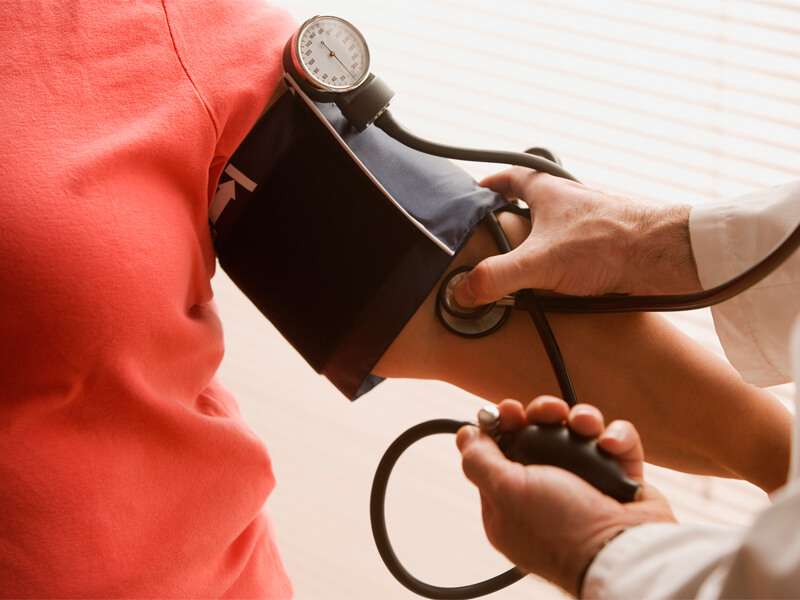
A urinary tract infection occurs when bacteria enter the urinary system, leading to inflammation and an array of uncomfortable symptoms that require prompt attention.
- Symptoms: Common symptoms include frequent urges to urinate, a burning sensation during urination, cloudy urine, and pelvic pain.
- Causes: UTIs are often caused by bacteria from the bowel entering the urinary tract; sexual activity can also increase risk factors.
- Diagnosis: A urine test helps confirm the presence of bacteria or blood in the urine. In some cases, imaging studies might be necessary for recurrent infections.
- Treatment: Antibiotics are typically prescribed depending on culture results. Increasing fluid intake aids in flushing out bacteria further.
- What to Expect: Symptoms usually improve within a few days after starting antibiotics; however, it's important to finish the entire course of medication as prescribed.
If UTIs recur frequently, further investigation may be warranted to identify any underlying issues contributing to infection susceptibility.
GASTROENTERITIS
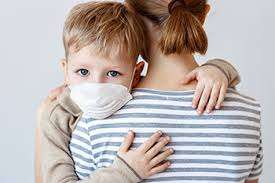
This inflammation of the stomach and intestines commonly results from viral or bacterial infections, leading to symptoms that can be uncomfortable and distressing.
- Symptoms: Nausea, vomiting, diarrhea, abdominal cramps, and fever are typical signs of gastroenteritis.
- Causes: Commonly referred to as the 'stomach flu', it can be due to contaminated food or water. Bacterial infections often originate from undercooked foods.
- Diagnosis: Diagnosis is primarily clinical; however, stool tests may be conducted if symptoms are severe or prolonged.
- Treatment: Treatment focuses on rehydration with fluids and electrolytes. Medications may be prescribed for nausea or diarrhea but are not always necessary.
- What to Expect: Most cases resolve within a few days. However, persistent symptoms should prompt further medical evaluation.
Adequate hydration is crucial during recovery to prevent complications such as dehydration.
ACUTE BRONCHITIS

Acute bronchitis is a common respiratory condition often caused by viral infections. Patients may experience coughing, which lasts for several weeks, along with other symptoms that can be quite bothersome.
- Symptoms: Coughing, wheezing, and chest discomfort are common. Some patients might also experience mild fever and fatigue.
- Causes: This condition is usually caused by viruses, such as the same ones that cause colds or the flu. Environmental factors like smoke and pollution can exacerbate it.
- Diagnosis: A physician typically diagnoses acute bronchitis based on medical history and physical examination. Additional tests might include a chest X-ray if pneumonia is suspected.
- Treatment: Management includes rest, increased fluid intake, and possibly cough suppressants. In some cases, bronchodilators may be prescribed to ease breathing.
- What to Expect: Most patients recover fully within a few weeks; however, lingering cough may persist longer. Follow-up care ensures proper recovery.
If symptoms worsen or fail to improve after a week, consulting a healthcare provider is advisable to rule out other underlying conditions.