
Dr Jp Yadav
About Me
Dr Jp Yadav
MBBS
Cardiologist
10 Years Experience
Biography
My Clinic
OPD Hours
| Monday | Morning | 10:00 AM | - | 02:00 PM |
| Evening | 06:00 PM | - | 09:00 PM | |
| Tuesday | Morning | 10:00 AM | - | 02:00 PM |
| Evening | 06:00 PM | - | 09:00 PM | |
| Wednesday | Morning | 10:00 AM | - | 02:00 PM |
| Evening | 06:00 PM | - | 09:00 PM | |
| Thursday | Morning | 10:00 AM | - | 02:00 PM |
| Evening | 06:00 PM | - | 09:00 PM | |
| Friday | Morning | 10:00 AM | - | 02:00 PM |
| Evening | 06:00 PM | - | 09:00 PM | |
| Saturday | Morning | 10:00 AM | - | 02:00 PM |
| Evening | 06:00 PM | - | 09:00 PM | |
| Sunday | Morning | 10:00 AM | - | 02:00 PM |
| Evening | 06:00 PM | - | 09:00 PM |
Treatments
Specialised care and treatments offered
HYPERTENSION MANAGEMENT

Treating high blood pressure aims to reduce risks of strokes, heart attacks, and kidney disease by maintaining optimal pressure levels. Management includes lifestyle changes supported by tailored medical therapy when necessary.
PACEMAKER IMPLANTATION
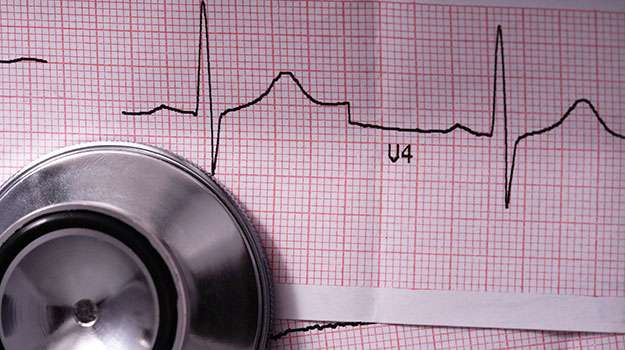
A pacemaker implantation involves placing a small device under the skin near the collarbone to regulate abnormal heart rhythms that are too slow or erratic. This procedure improves quality of life and prevents complications like fainting or heart failure exacerbation.
- Candidacy criteria: Indicated for bradyarrhythmias including sick sinus syndrome and atrioventricular block confirmed by diagnostic evaluation.
- Surgical overview: Device leads are threaded into cardiac chambers through veins under local anesthesia; device settings are then programmed accordingly. Postoperative care: Regular follow-ups ensure pacemaker function integrity; minor lifestyle adaptations may be advised.
- Benefits: Correction of slow heartbeat prevents symptoms such as dizziness, fatigue, and improves overall cardiac output.
This therapy provides reliable rhythm control through advanced technology enhancing safety and activity levels in affected individuals.
STRESS ECHOCARDIOGRAPHY
This test evaluates how well the heart functions under physical stress using ultrasound imaging combined with exercise or medication-induced stress. It helps identify areas of poor blood flow and damaged heart tissue.
- Pertinent symptoms: Recommended for unexplained chest pain or suspected coronary artery disease despite normal resting tests.
- The testing method: Ultrasound images captured before and immediately after exercise or pharmacologic stress simulate workload on the heart.
- Disease detection: Reveals wall motion abnormalities indicating ischemia or previous infarctions not visible at rest.
- Treatment planning: Results assist in tailoring medical therapy or deciding on interventional procedures if required.
This approach provides comprehensive insight into cardiovascular function beyond basic diagnostics ensuring personalized care strategies are formulated effectively.
HOLTER MONITORING
The Holter monitor provides continuous ECG recording over 24 to 48 hours, capturing transient irregularities that may not appear during a standard ECG. It is ideal for patients with unexplained palpitations or syncope.
- Indications: Used when intermittent arrhythmias or symptoms need correlation with heart rhythm changes.
- How it works: A portable device records heart activity while the patient goes about normal daily routines.
- Data analysis: Specialists review recordings for episodes of tachycardia, bradycardia, or pauses in heartbeat.
- Treatment impact: Results guide medication adjustments or decisions regarding pacemaker implantation if necessary.
This monitoring enhances diagnosis precision by detecting abnormalities that short tests can miss, facilitating timely intervention.
ELECTROCARDIOGRAM (ECG) MONITORING
An electrocardiogram (ECG) monitors the heart's electrical activity to detect abnormal rhythms and other cardiac conditions. It is a simple, painless test frequently performed in outpatient settings.
- Purpose: Identifies arrhythmias, ischemia, or prior heart damage.
- Procedure details: Electrodes placed on the chest record electrical impulses during rest or stress tests.
- Interpretation: Patterns help diagnose atrial fibrillation, ventricular tachycardia, and myocardial infarction among others.
- Sensitivity: Sometimes requires extended monitoring with Holter devices for intermittent symptoms.
This diagnostic tool is fundamental in assessing heart health quickly and guiding further treatment options effectively.
CORONARY ANGIOPLASTY
Coronary angioplasty is a minimally invasive procedure used to open narrowed or blocked coronary arteries, improving blood flow to the heart muscle. It's often recommended for patients experiencing chest pain or certain types of heart attacks.
- Symptoms and causes: Typically indicated for angina or after a heart attack due to plaque build-up causing artery blockage.
- Diagnosis: Determined via coronary angiography, which visualizes arterial blockages.
- Treatment process: A catheter with a balloon is threaded to the blockage site, then inflated to widen the artery; stents may be placed for support.
- Recovery and management: Most patients resume daily activities soon after; medications like antiplatelets are essential post-procedure.
- Expectations: Improved symptoms such as chest pain relief and enhanced exercise tolerance.
This procedure offers significant benefits by restoring circulation and preventing further cardiac events when medically indicated.